TANCHJIM SODA: A Bubbly, Sparkly Kind of Neutral Tuning
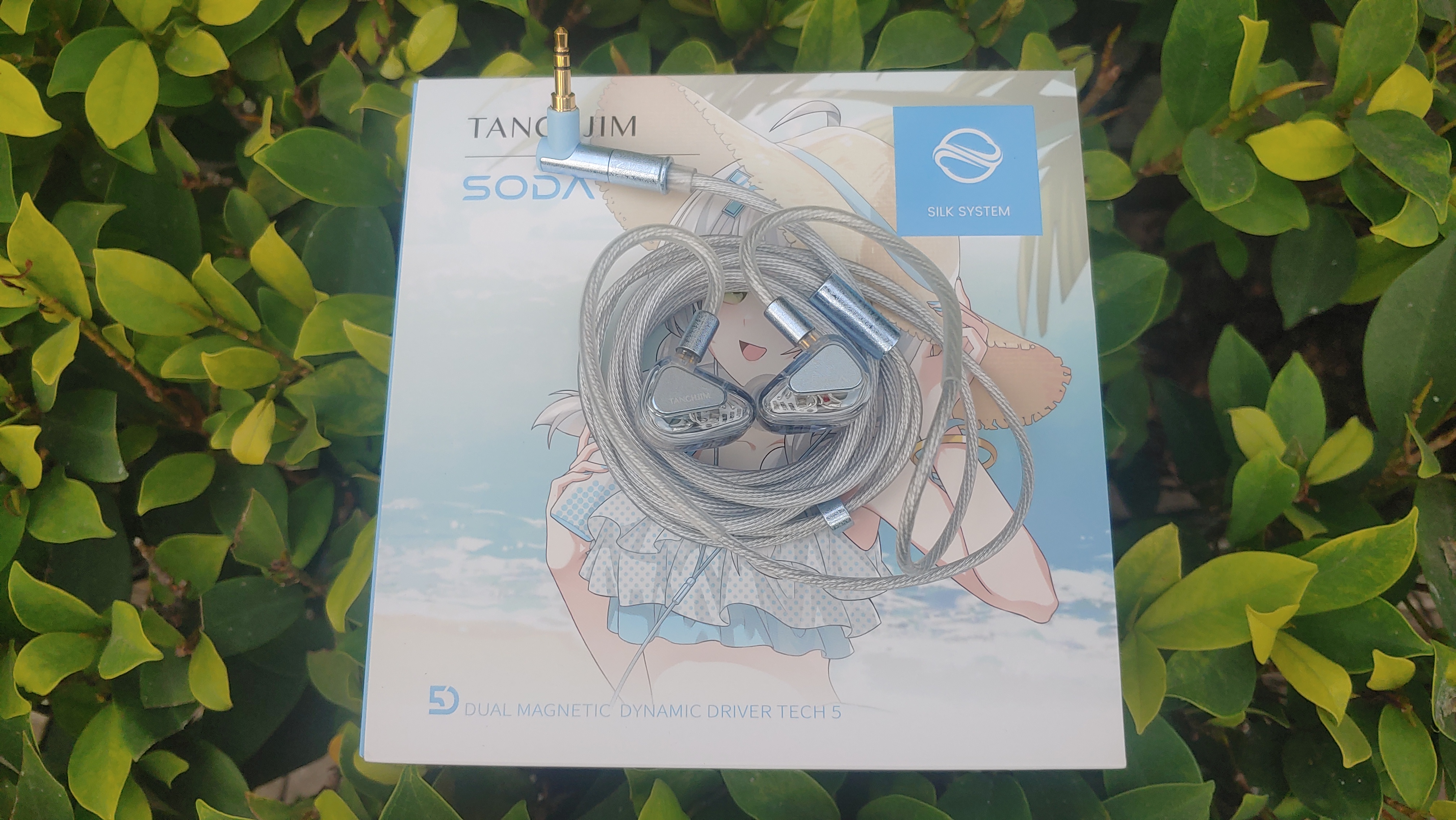
TANCHJIM is one of the audio companies that I have admired since 2019 when I've tested their TANCHJIM OXYGEN, and it became one of my top recommended single dynamic driver IEM for a few years. And to think that all TANCHJIM products that I have reviewed so far are all single driver set-up and always feature a dynamic driver, and all of them are of patented design developed by TANCHJIM themselves.
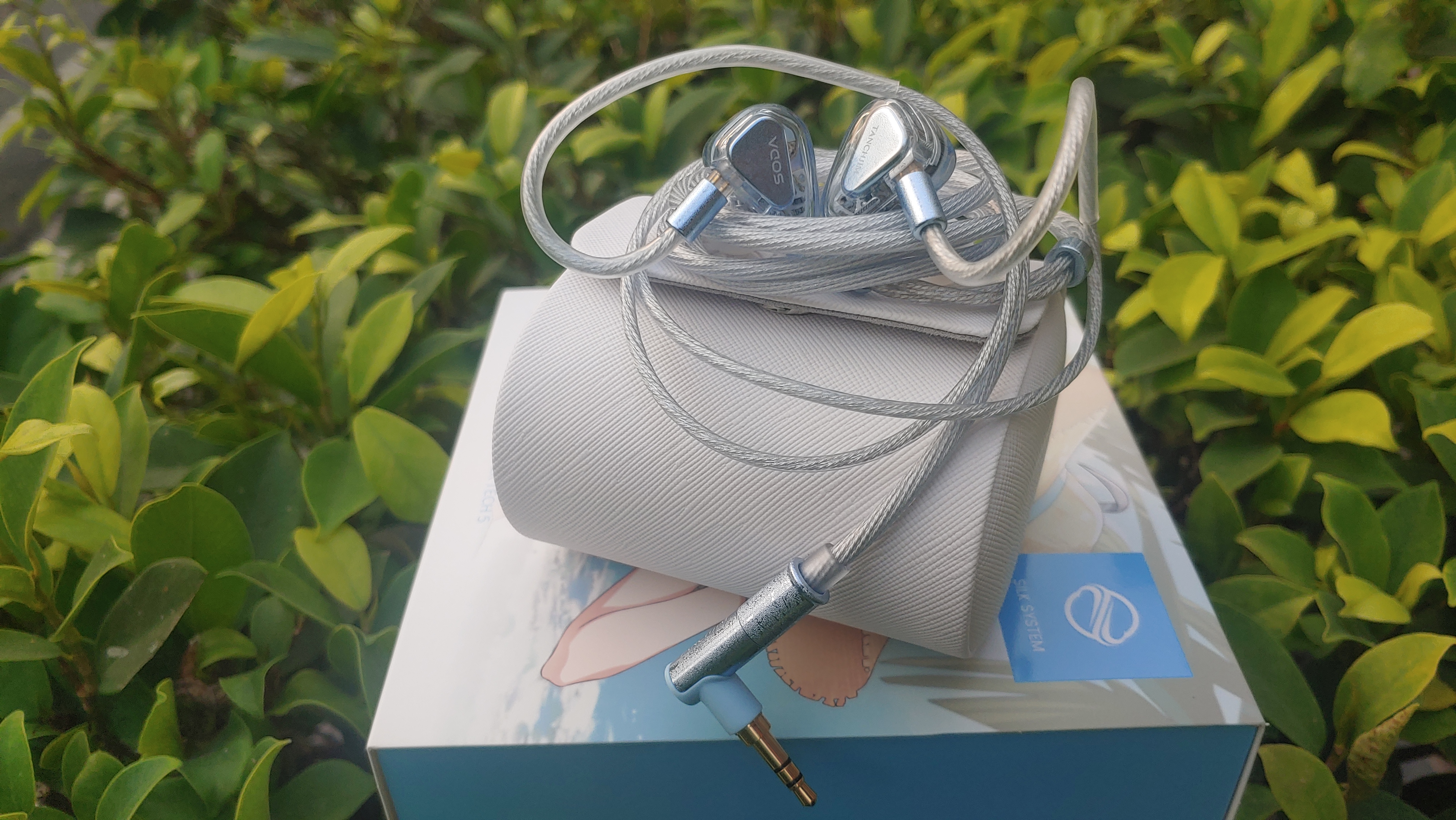
And this audio product review is quite special as it is the first time that I will do a review of a TANCHJIM set with a multiple driver set-up. This is TANCHJIM SODA and it has a hybrid driver configuration and it also integrates some features that will improve its overall acoustics performance and seamless cohesiveness of its different driver technologies inside.
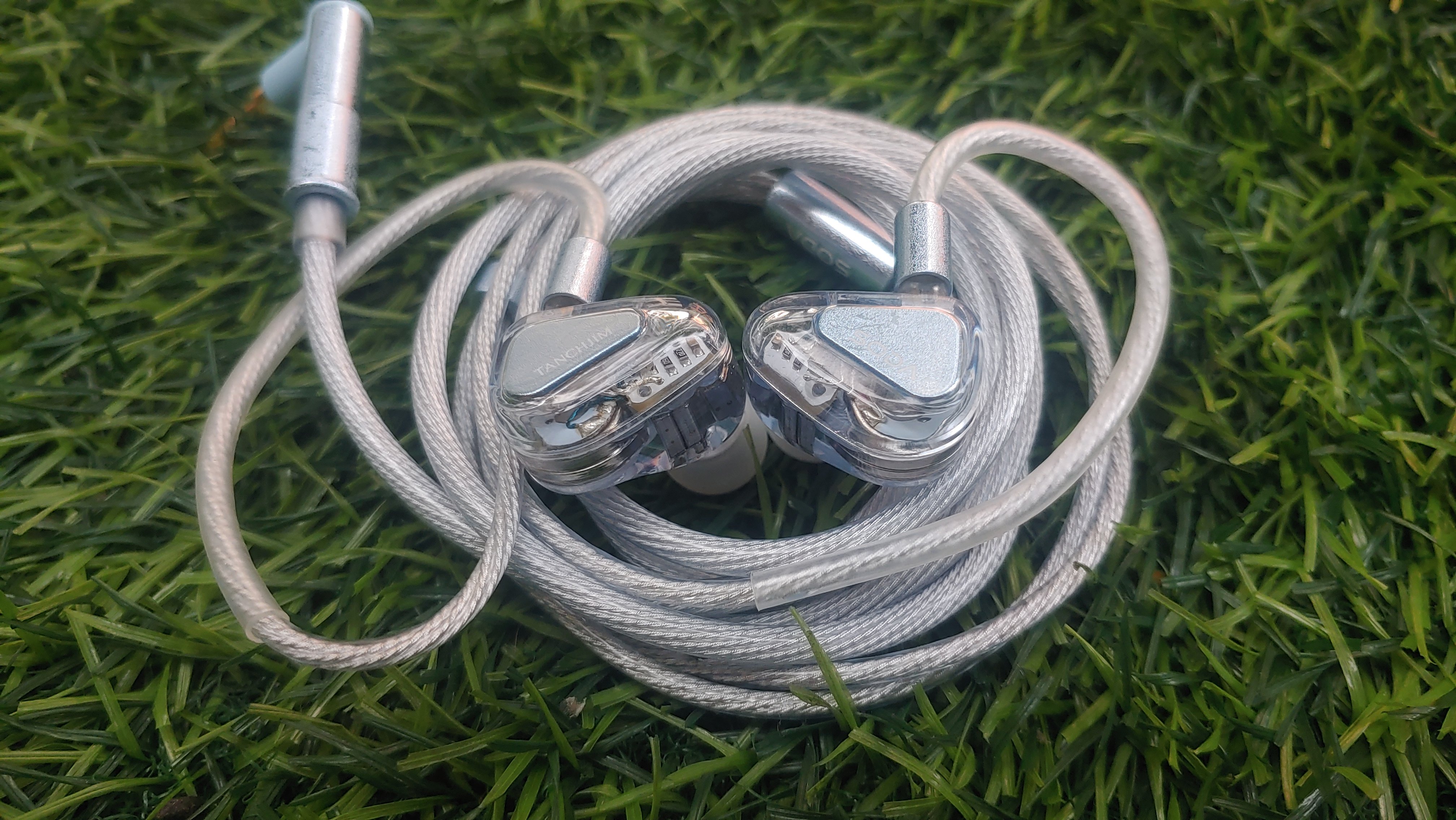
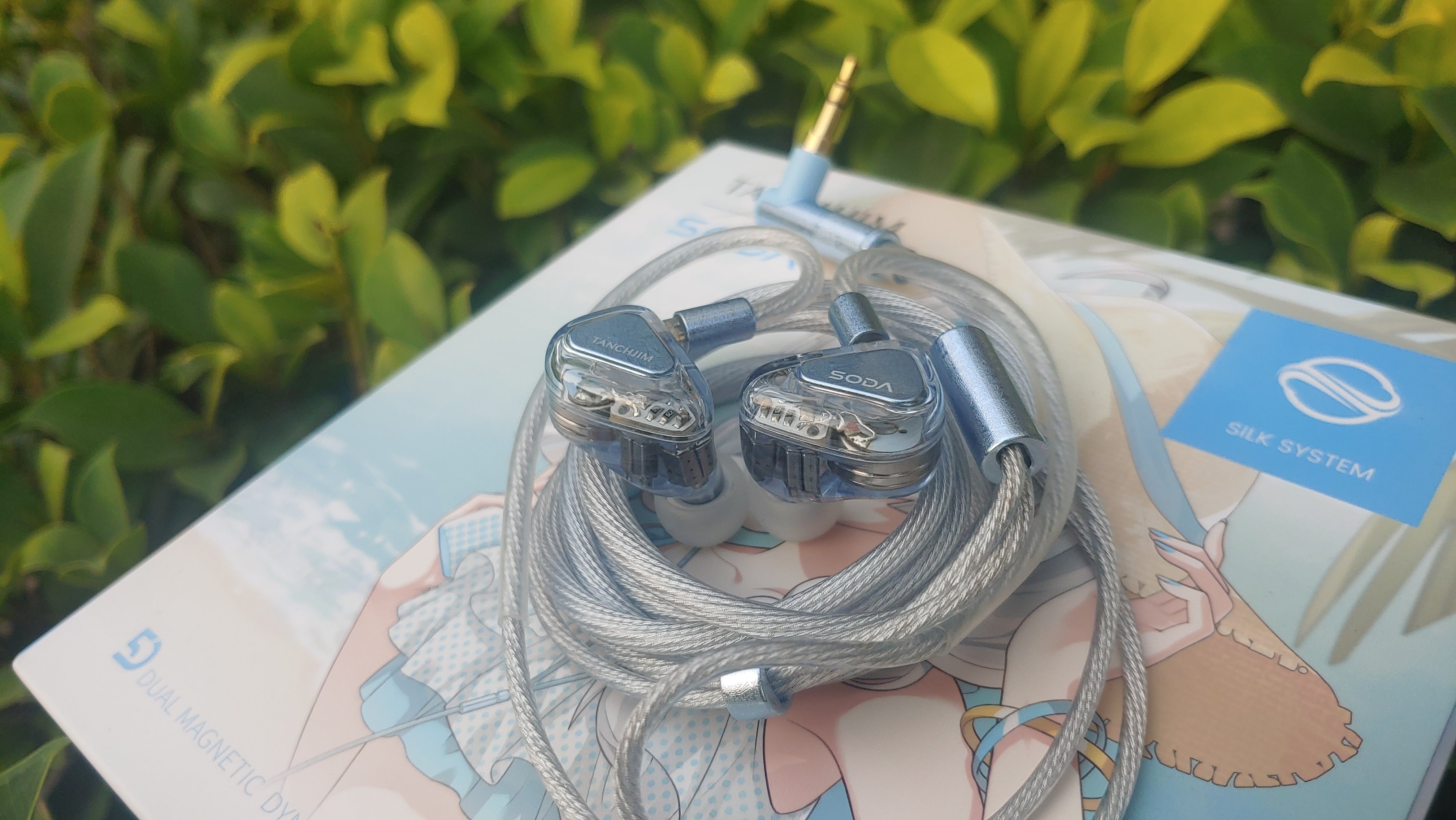
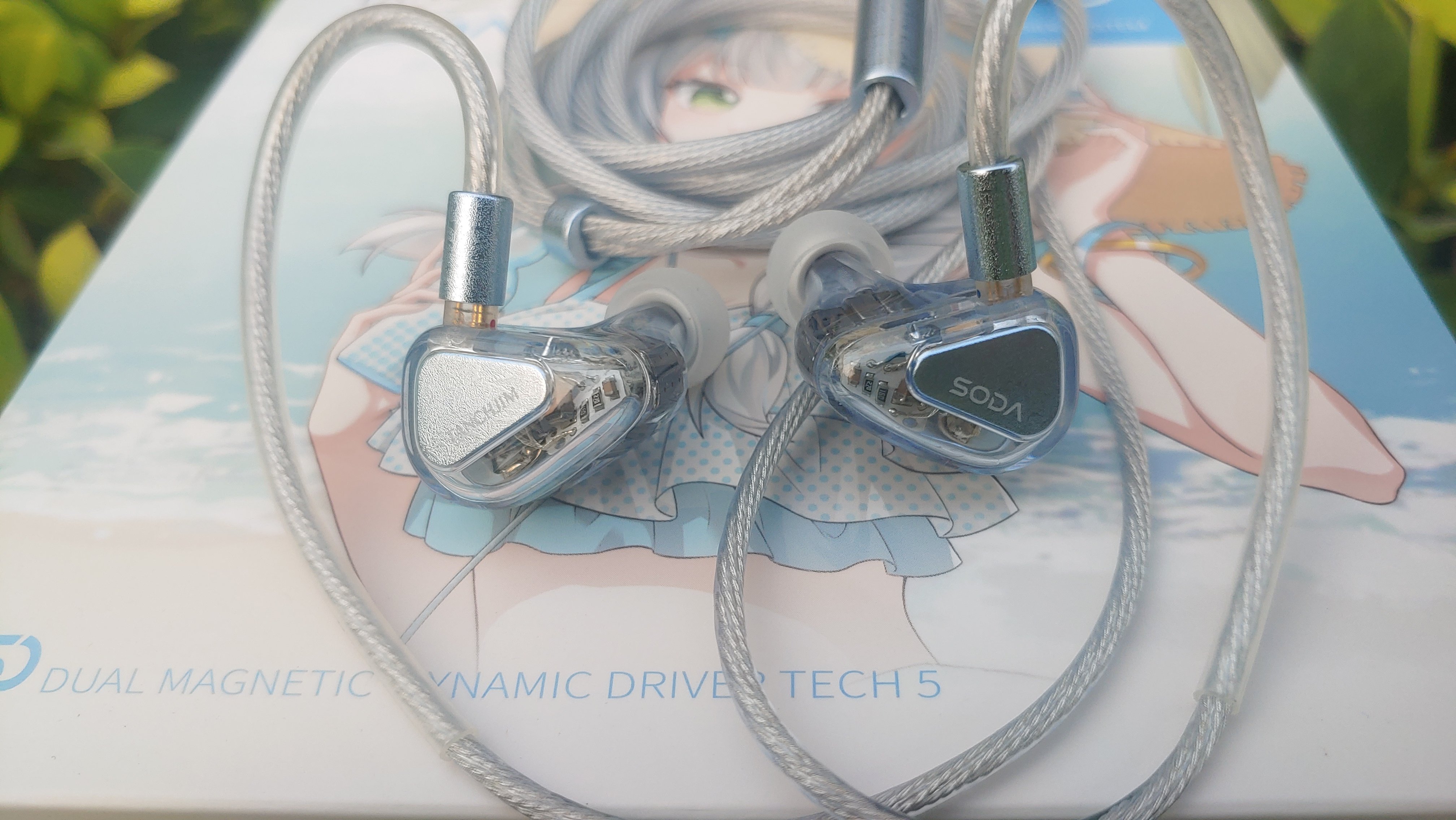
The drivers that were featured inside the SODA are dynamic driver, balanced armature drivers and passive radiators which are sort of inactive and unpowered drivers. The dynamic driver that was used here is TANCHJIM's latest generation of its proprietary dynamic driver, The DMT5 is a 10mm dual-chambered, dual-magnetic architecture with a composite diaphragm consisting of DLC (Diamond-like Carbon) on its dome and a PU (Polyurethane) surround ring, and it delivers a precise, deeper bass extension and fast transient bass attack due to its high magnetic flux density, low distortion rating and better power efficiency and this particular driver is also used on their previous like Origin and Fission, and then it was supported by PURE balanced armature drivers which are specifically custom-made under the strict supervision to TANCHJIM's standard on tonal quality and performance like efficiency and low distortion, and there are four of them inside with each of them are of a dual set-up and probably are all full range type of balanced armature drivers, a dual balanced armature driver configuration to handle midrange and another dual balanced armature driver responsible for high frequency in which supported by two passive radiator that enclosed together inside on its resonance chamber and these passive radiators were marketed as Silk System Microstructure which are two unpowered drivers dampens some energy on the brilliance section of the high frequency as it smoothen and further polished it which is quite an interesting implementation as majority of passive radiators that were to put used in an IEM are usually for the improvement of low frequency that the bass notes to have a darker tone and then, a deep reverberating sub bass presence.
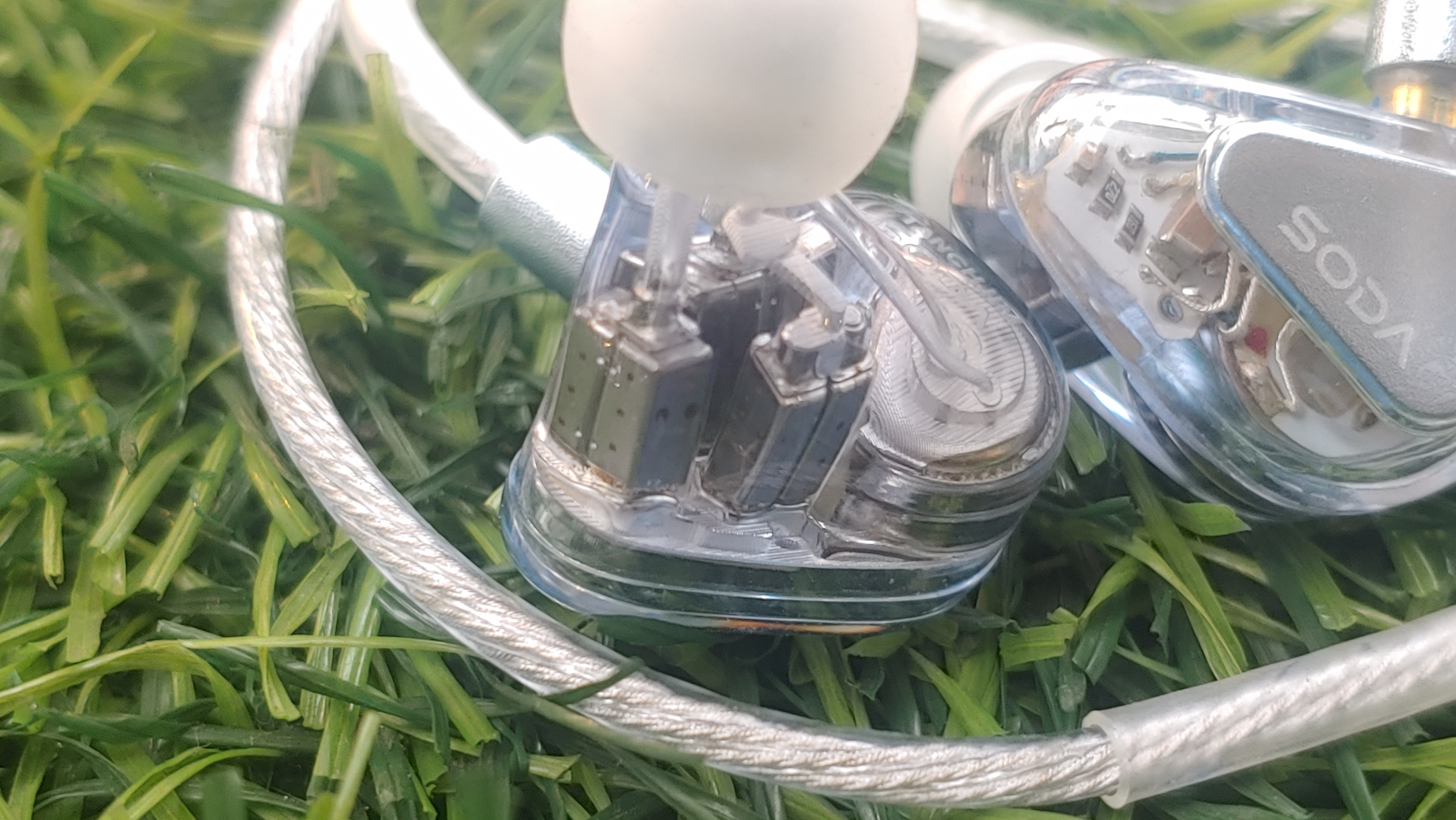
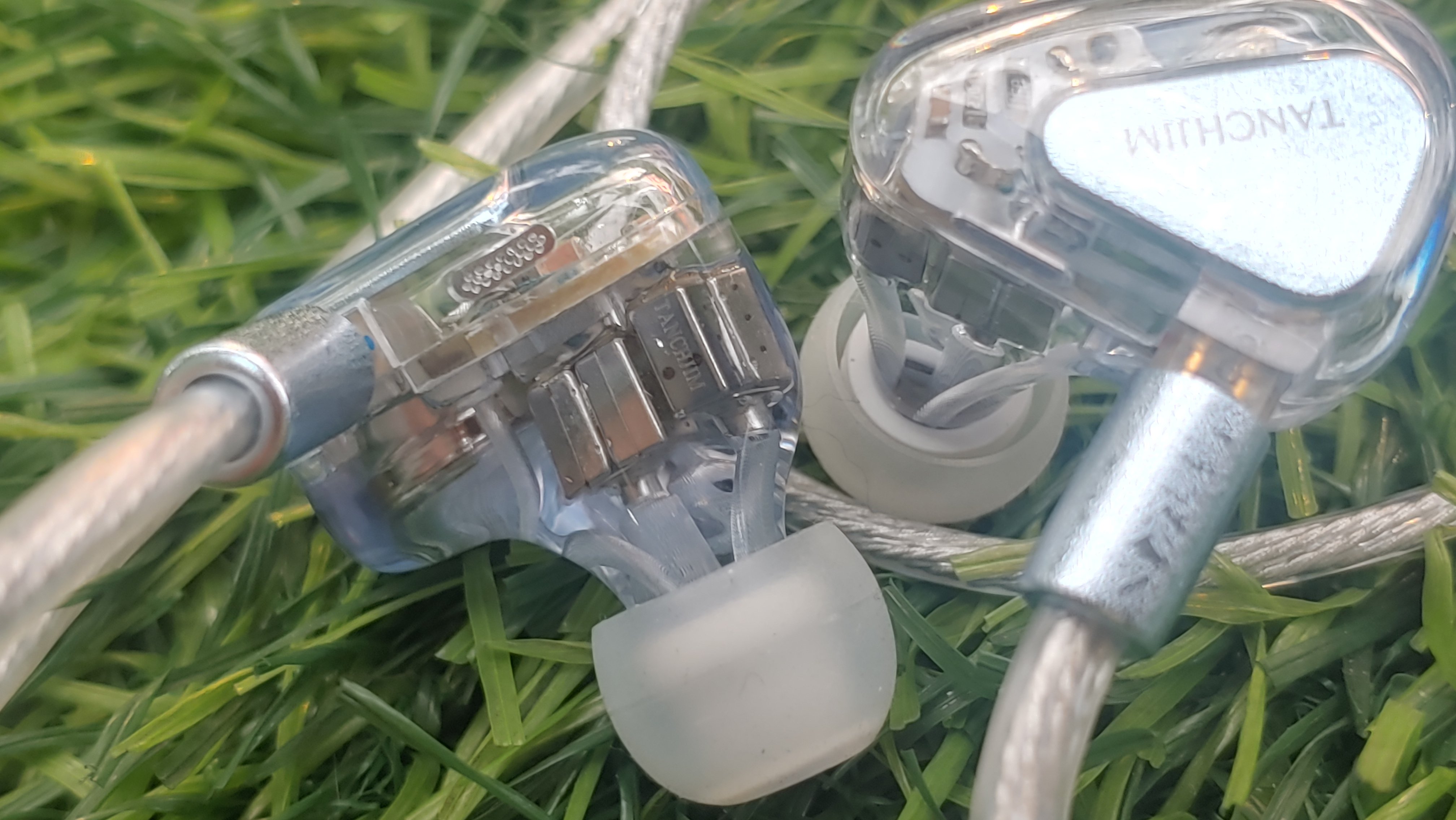
Then drivers were then connected in a patented complex three-way crossover system called HPFD-SEG that will ensure a more cohesive sound, better separation of its frequencies, a wider dynamic range, a more precise and accurate response and lastly, a lower distortion in which the PURE BA drivers will benefited it as it will have smooth and consistent electrical resistance to lessen any instances of erratic impedance curve that will cause distortion and uneven frequency response.
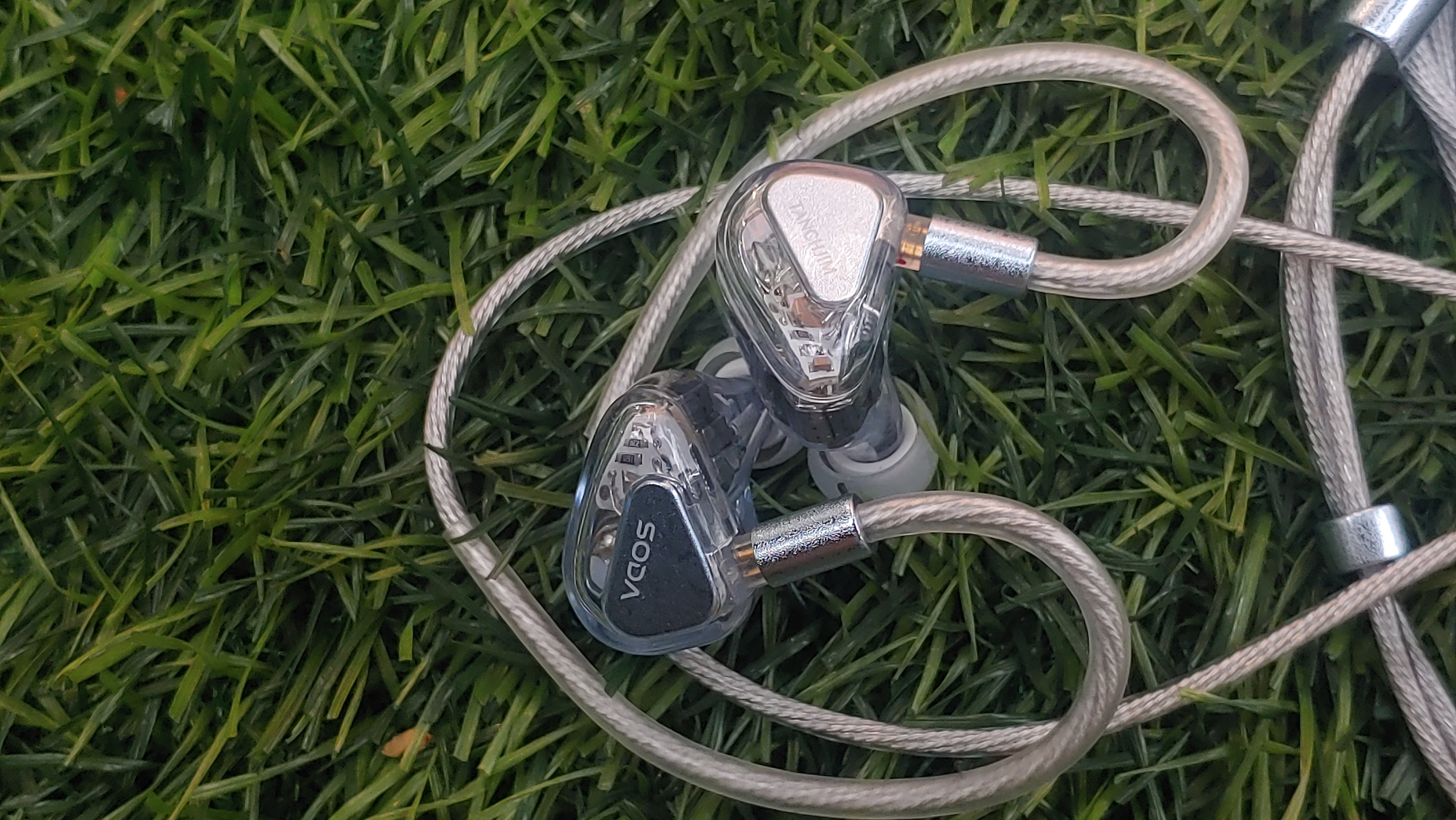
Another feature that TANCHJIM implemented here was their pressure relief system that regulates the air pressure build-up that were generated from its high performance dynamic driver to alleviate listening fatigue by minimising occlusion effect and ear pressure while maintaining a precise and consistent bass response for a long listening session.
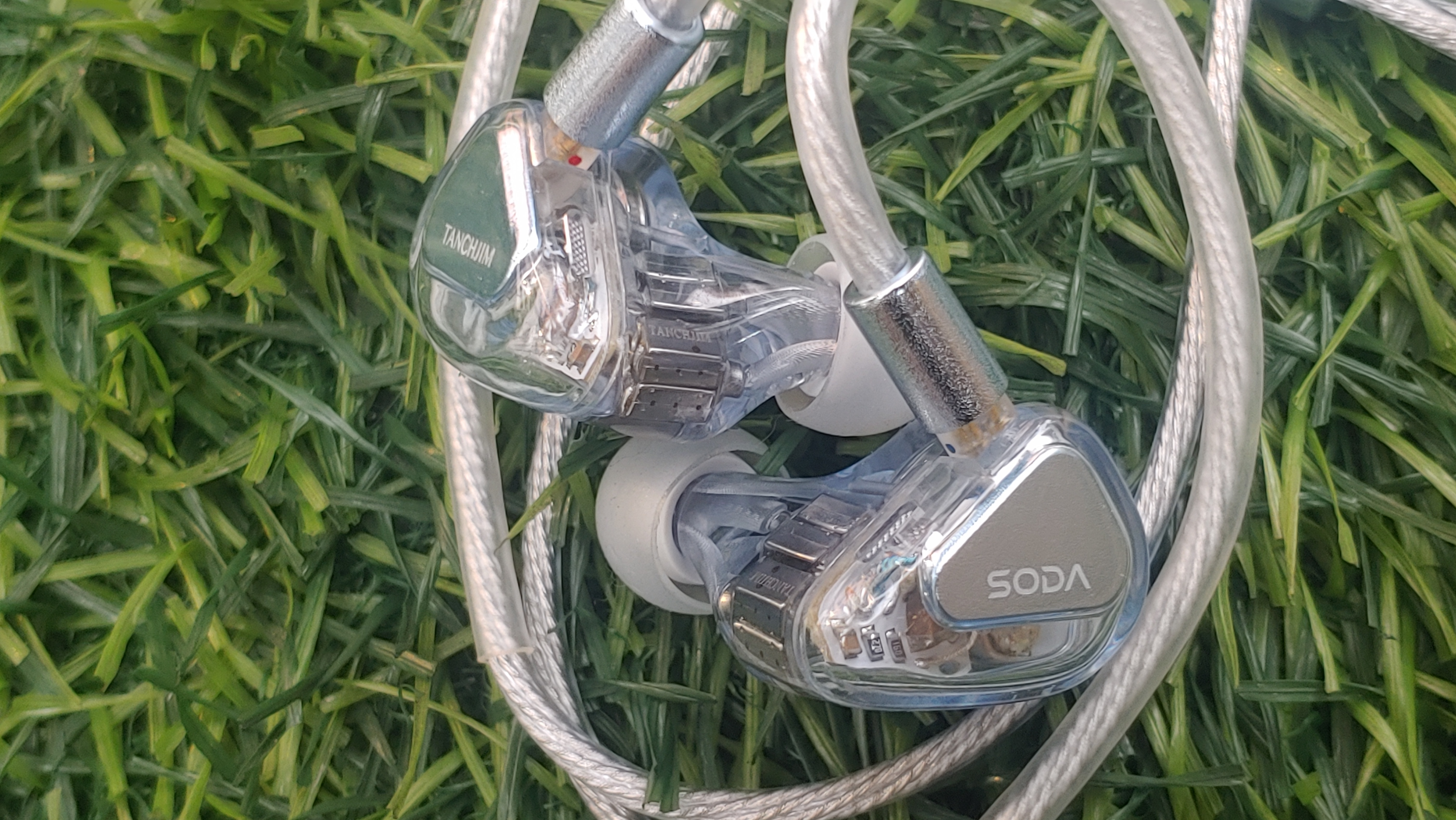
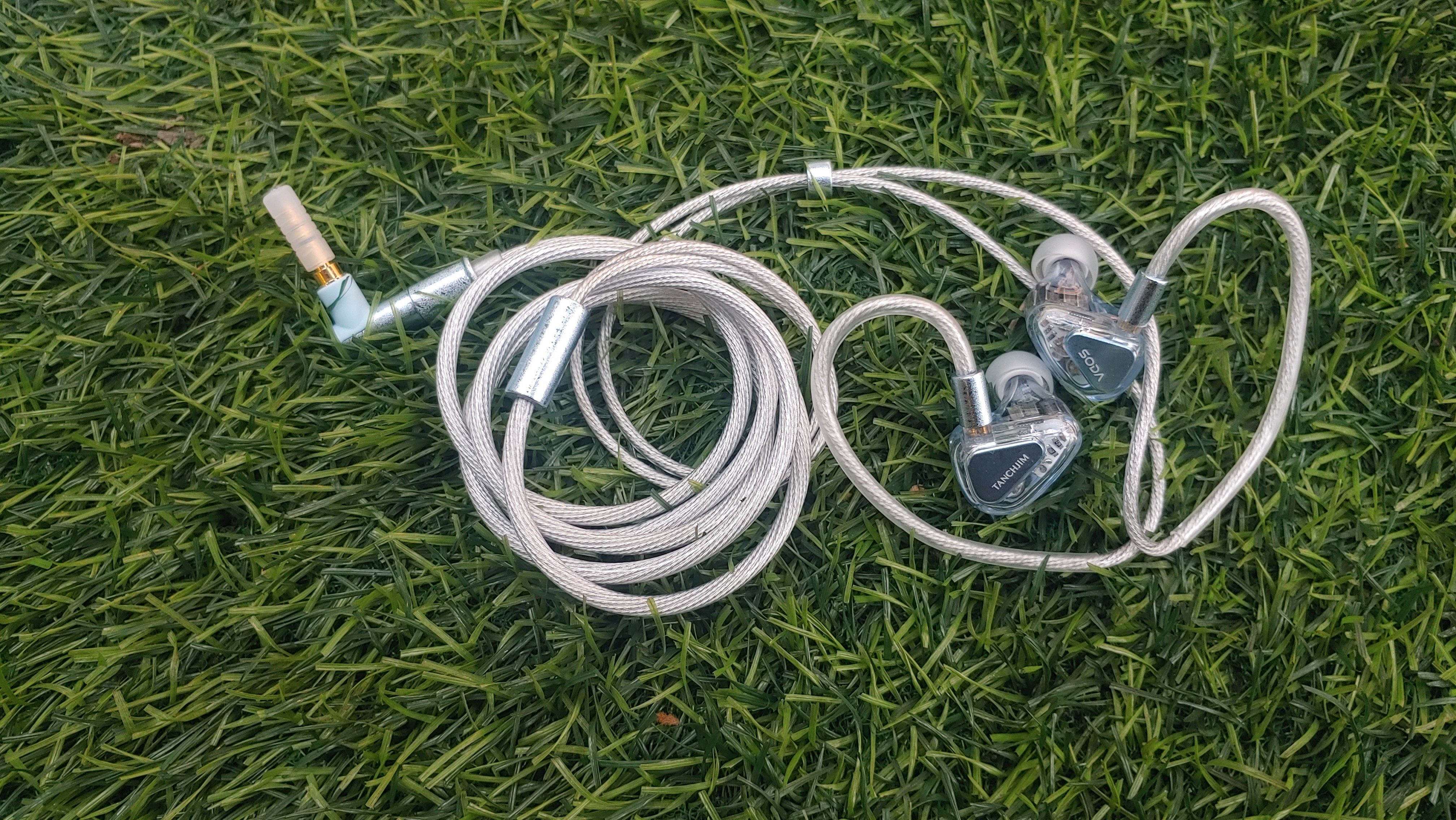
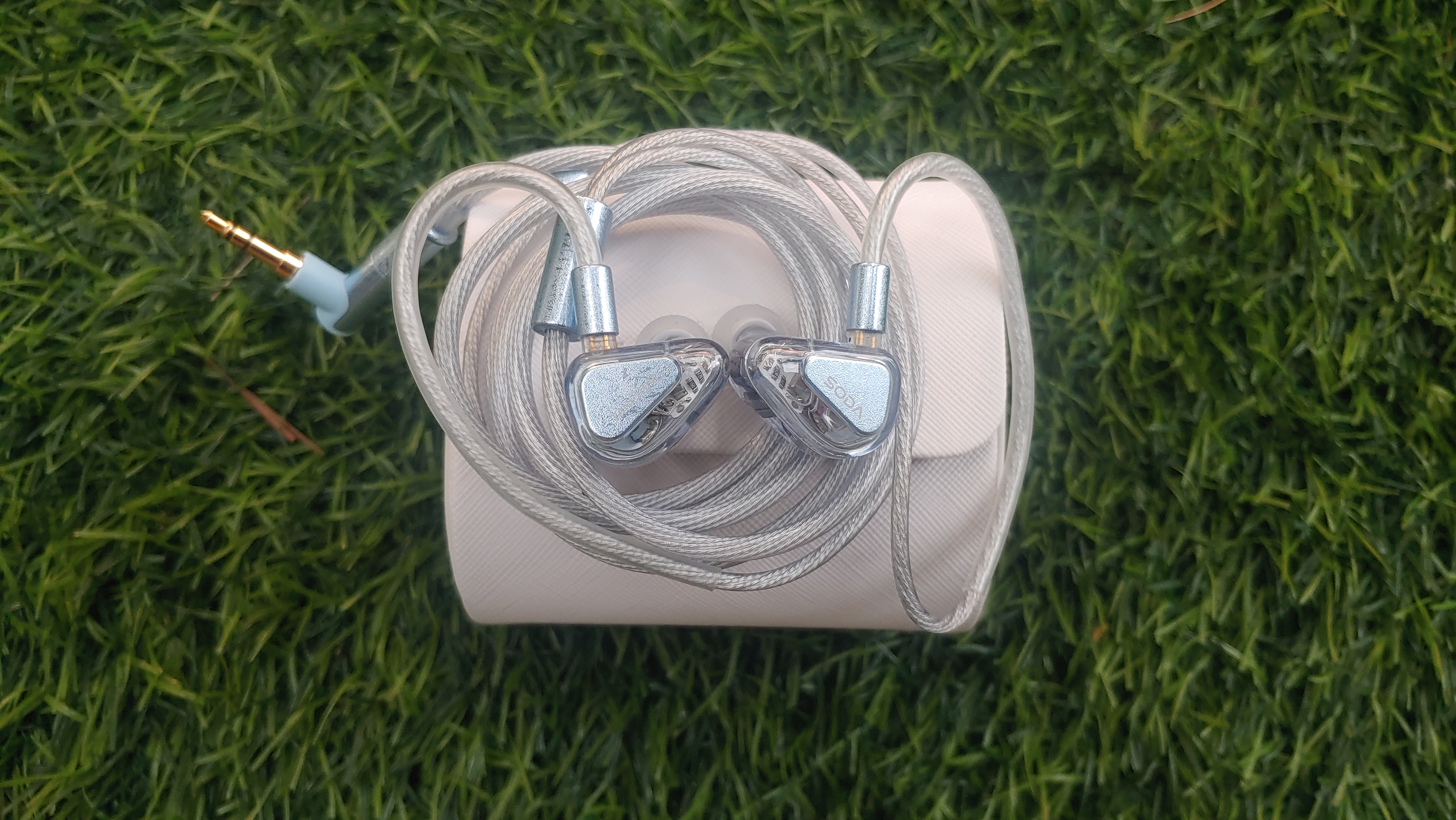
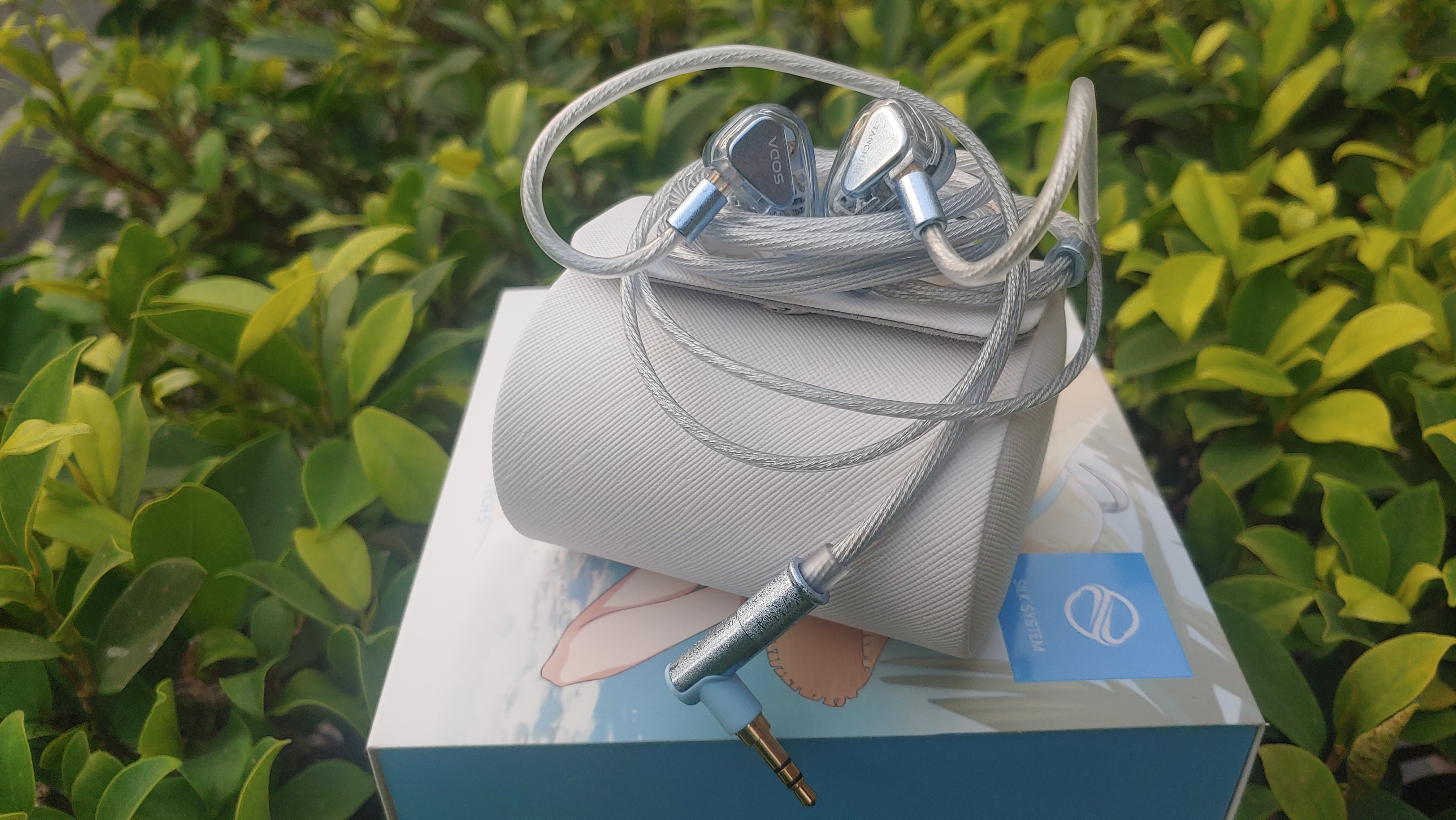
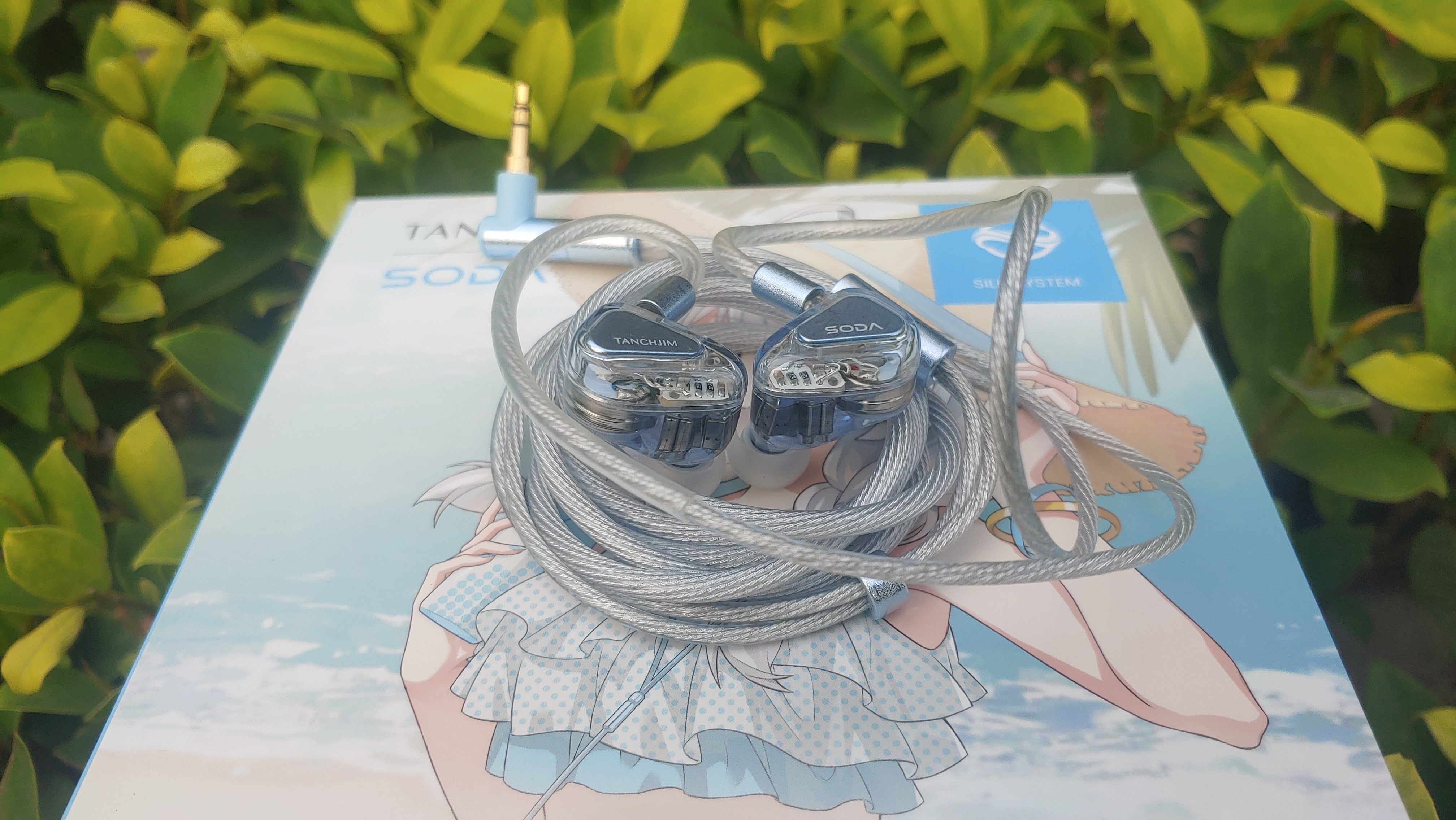
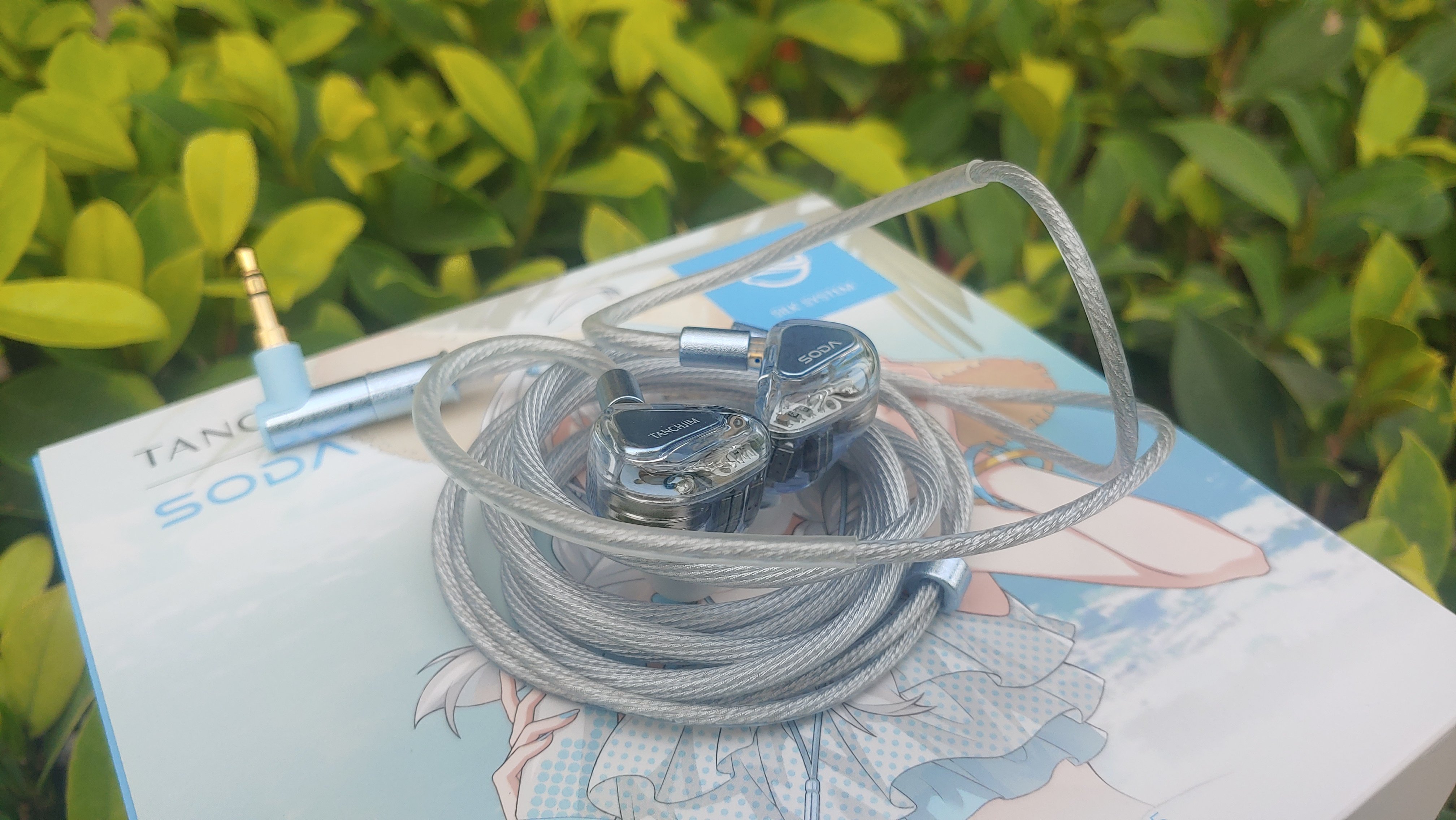
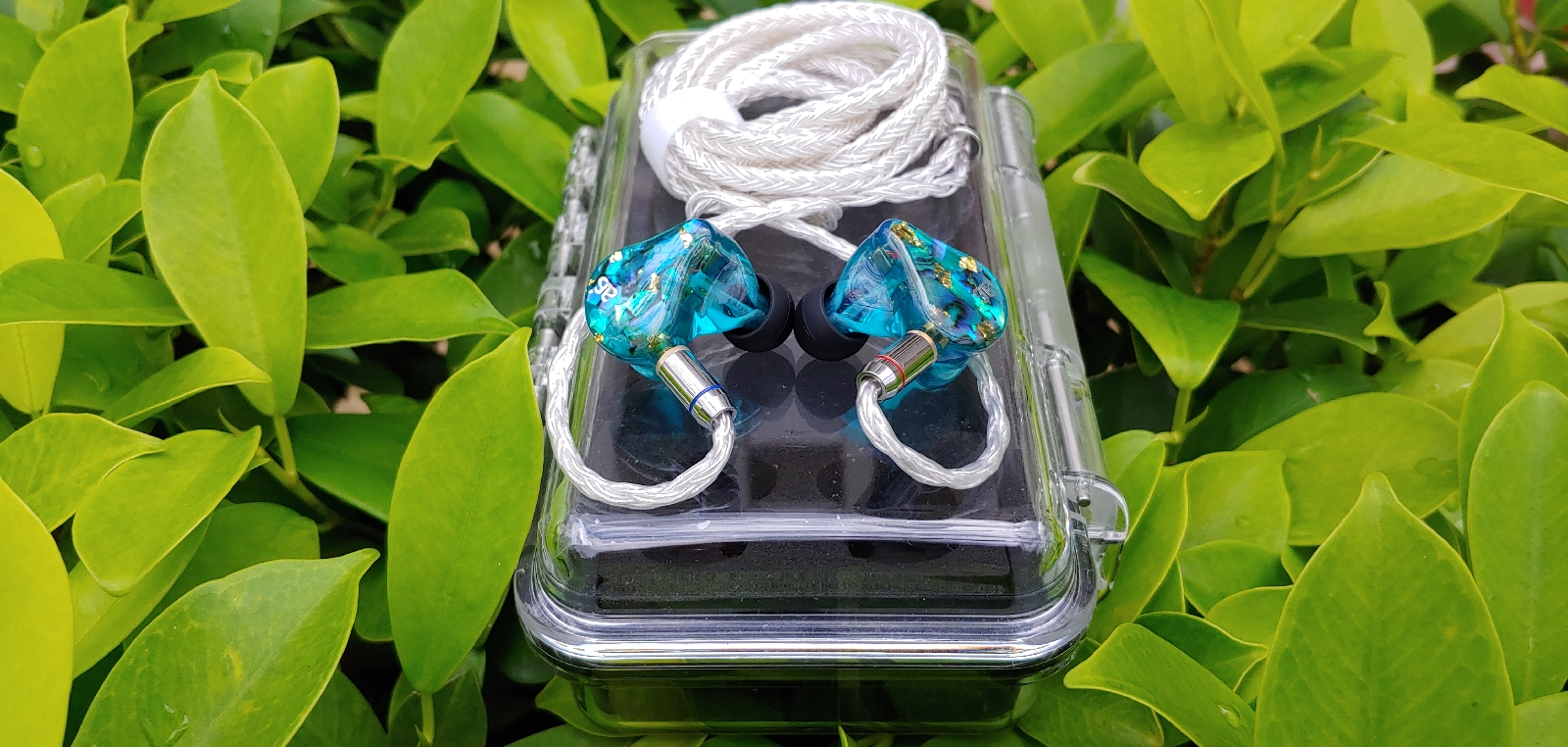
And then, the drivers along with other components were encased in a clear, optimised and rigorously constructed 3D-moulded composite shell chassis with some filter structures inside of its acoustic chamber. The shell profile design itself seems to follow the design language of the TANCHJIM OXYGEN in which also has a scalene triangle with rounded edges on its angles as it offers a better fitting to all ear sizes. The shells are made of polymer resin, probably a polyurethane liquid one as it is known for its lightweight, flexibility and tensile strength properties that makes them ideal for moulding and casting and it has this blue-ish tint on it, and it has a small metal alloy faceplate with tiny bubbly pattern similar to a fizz of a carbonated soda with a laser-etched model name with it, while the other shell has a TANCHJIM print. Like all TANCHJIM sets, it utilises a 0.78mm bi-pin connector as its interlocking mechanism for easy attaching and unfastening with its detachable cable.
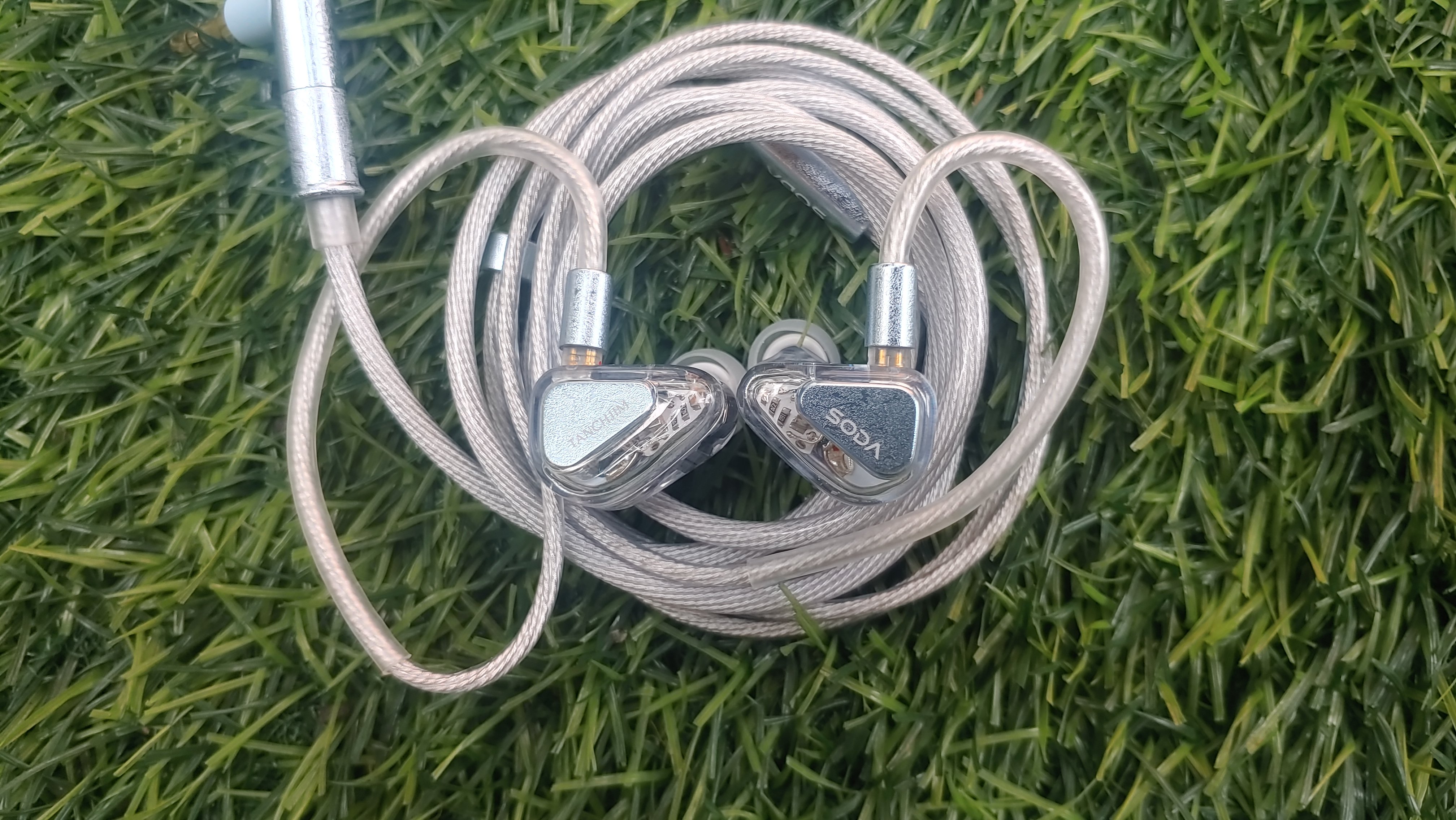
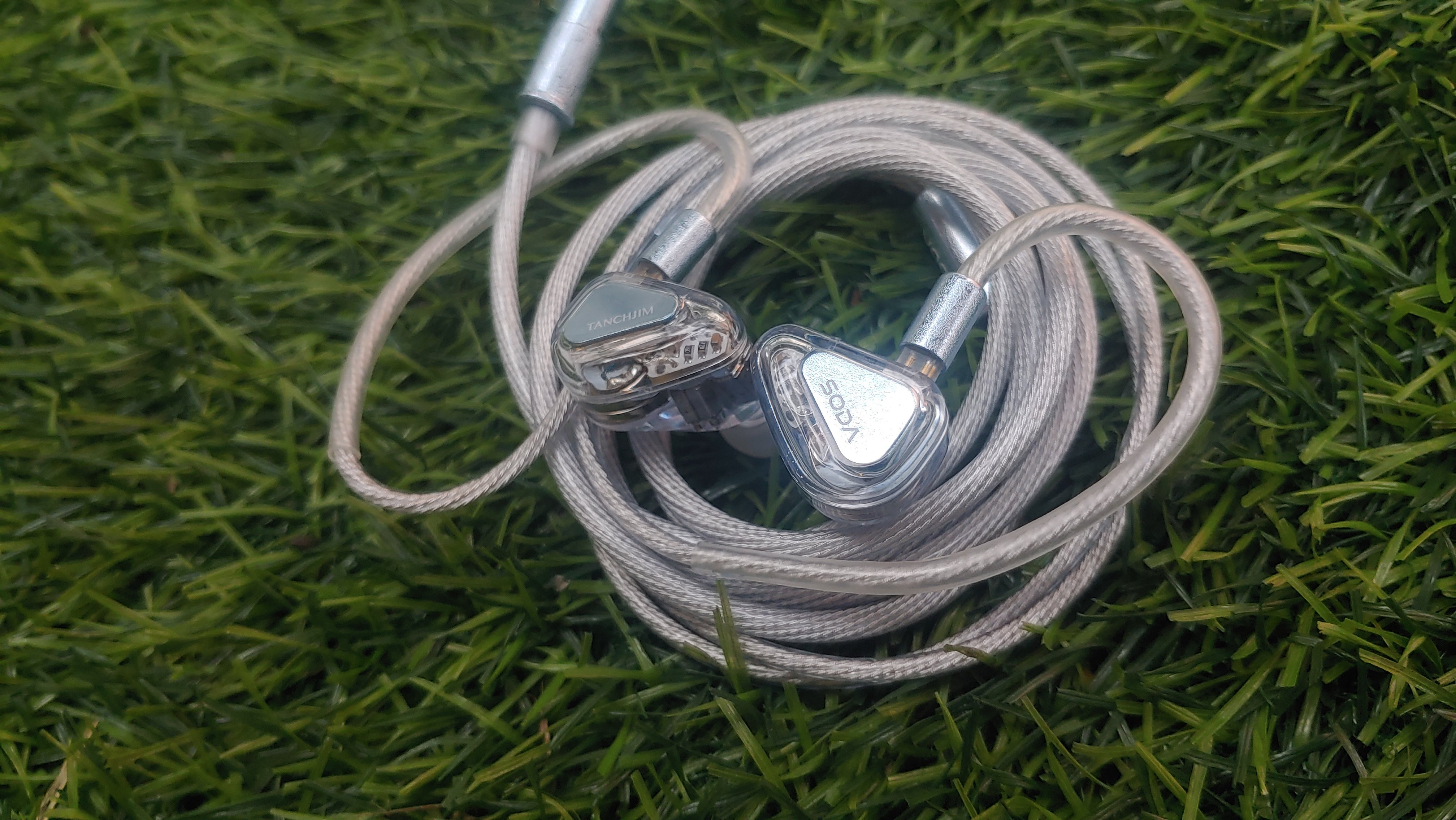
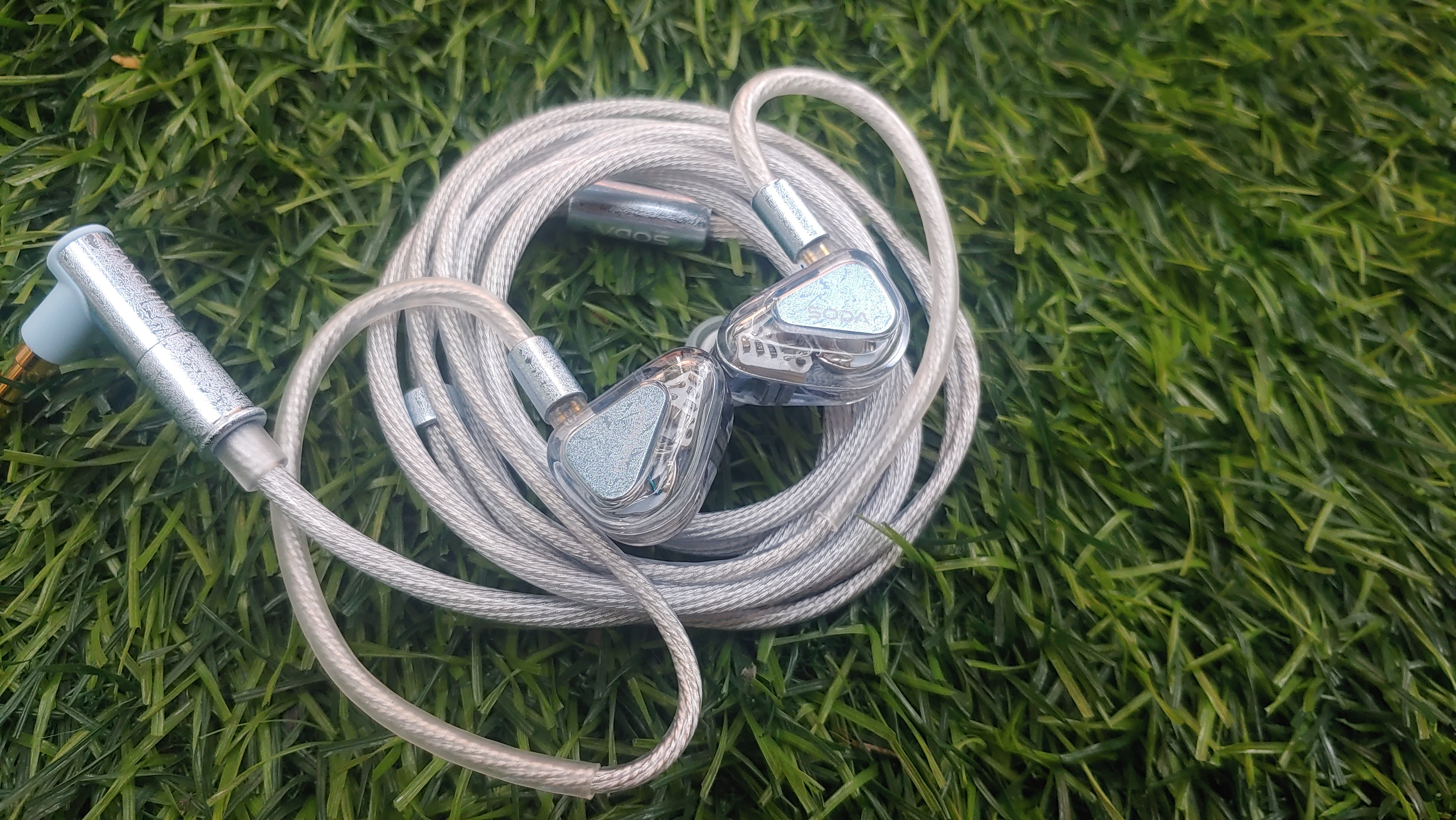
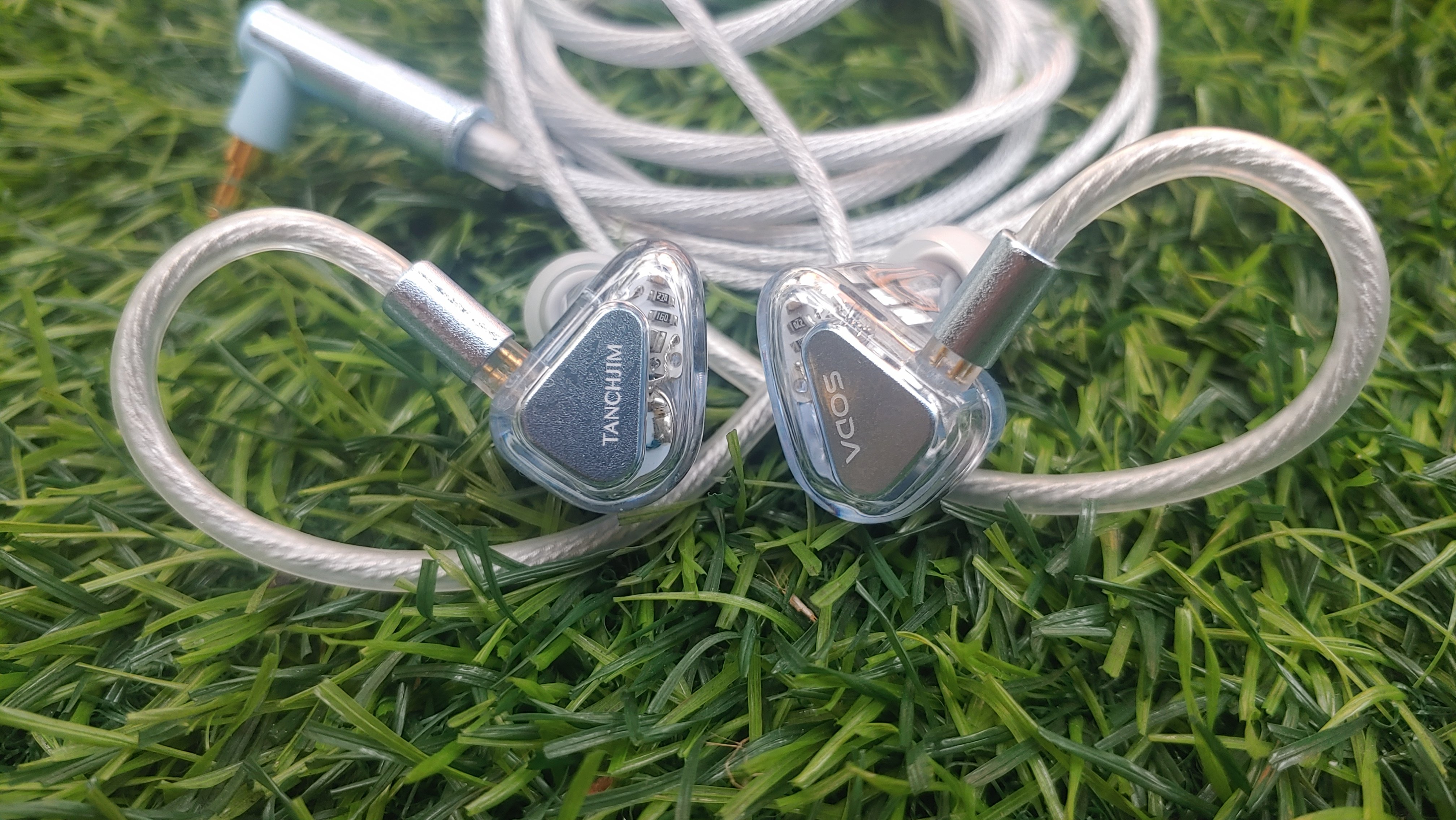
In regard to its wearability, the smooth contours of the shells on SODA offers a comfortable fitting inside on my lugholes without any discomfort like irritation or even listening fatigue that I can wear for a long listening session. The nozzle length is adequate and if it is paired with the widebore stock eartips, it seals firmly on my outer ear canal as I attained an excellent passive noise isolation that was able to block unwanted noises from the outside surroundings.
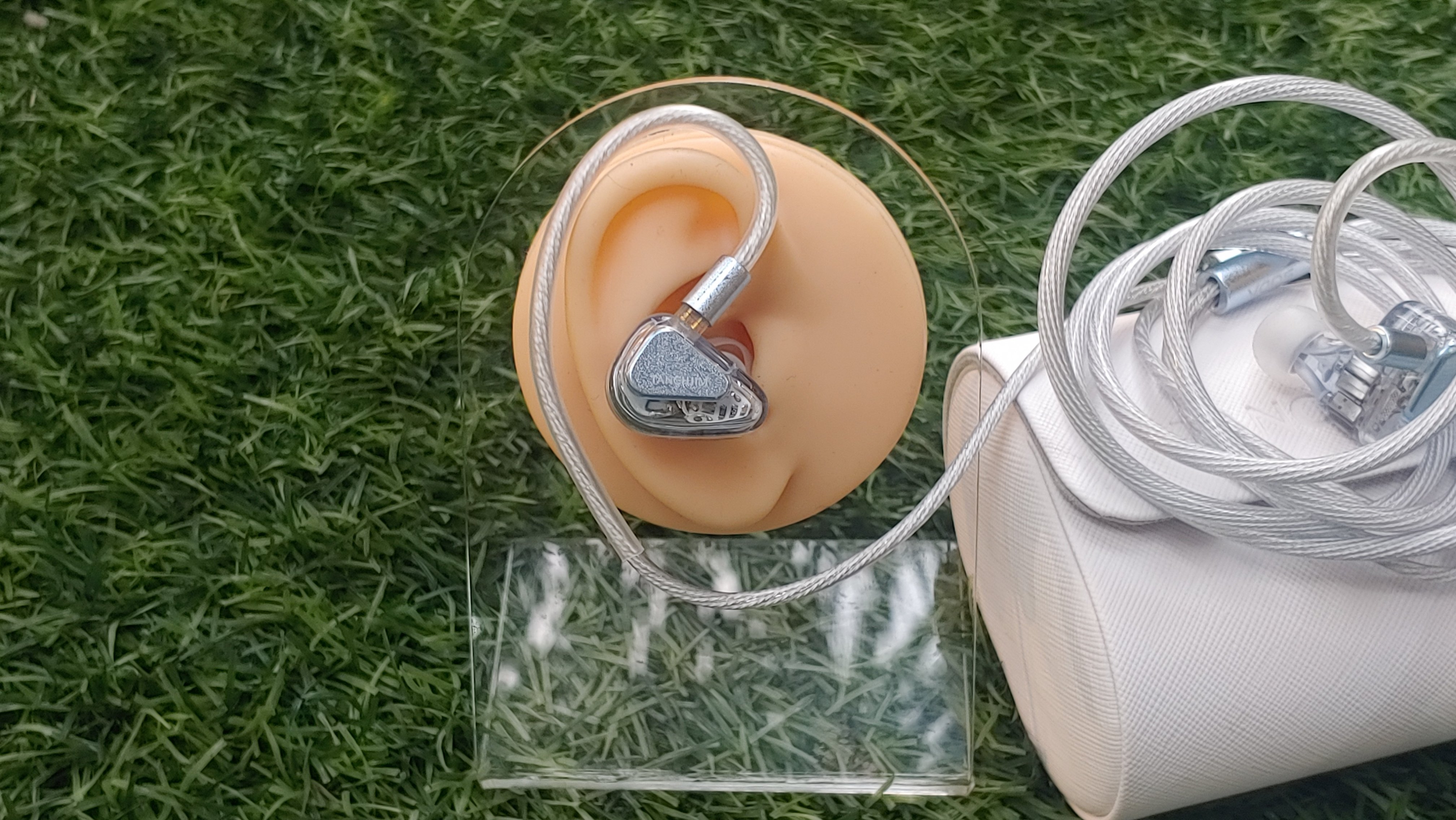
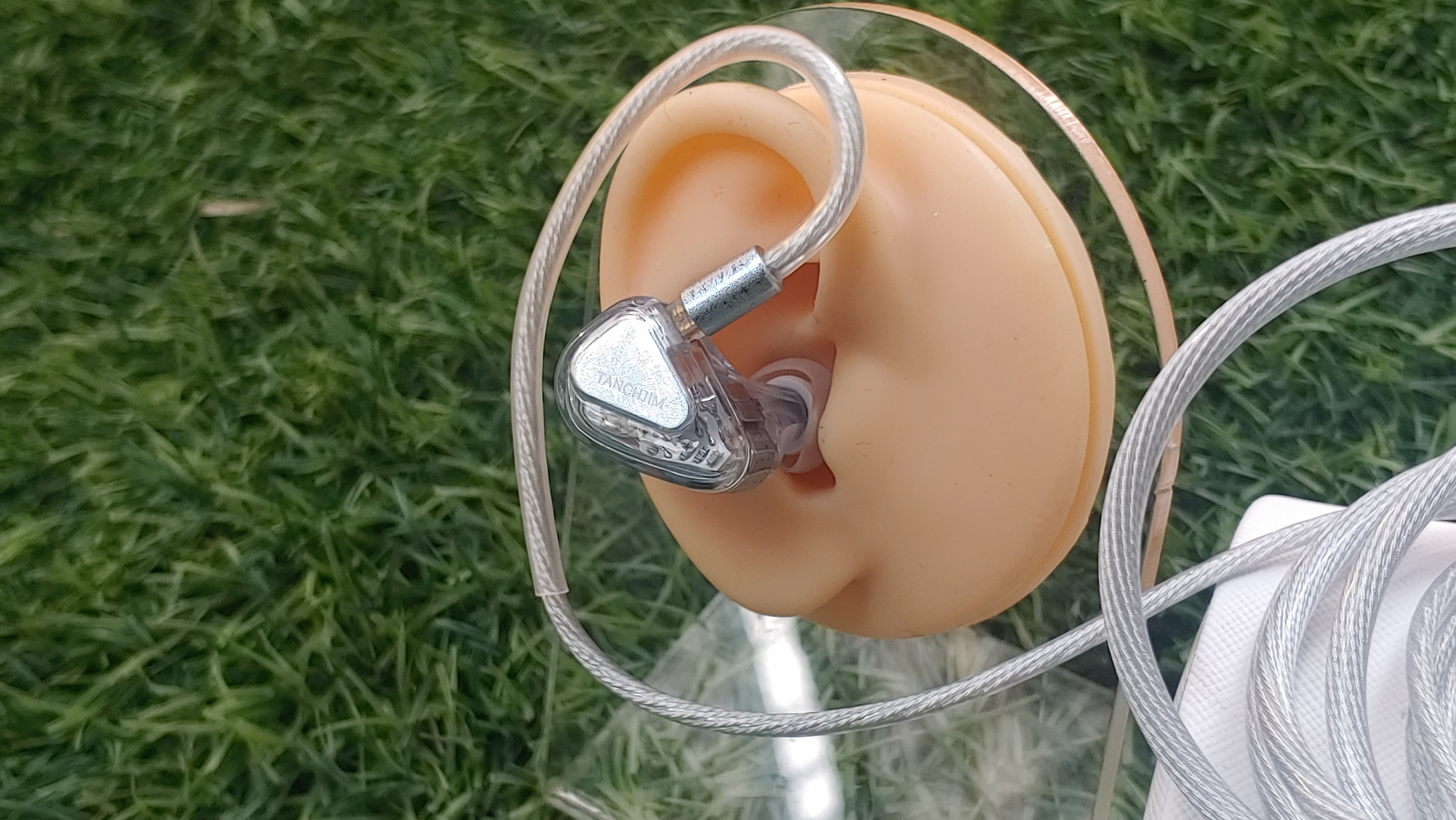
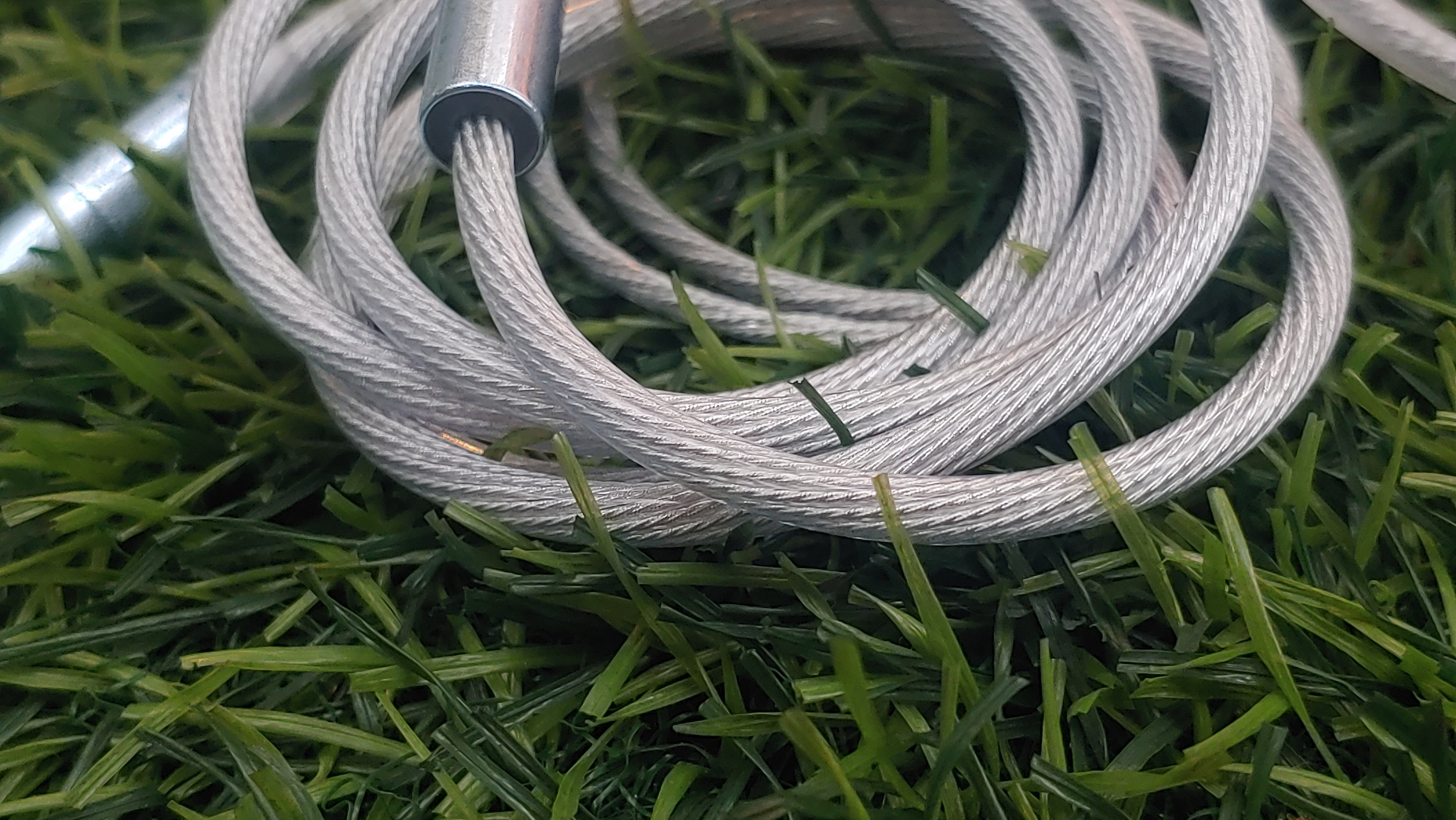
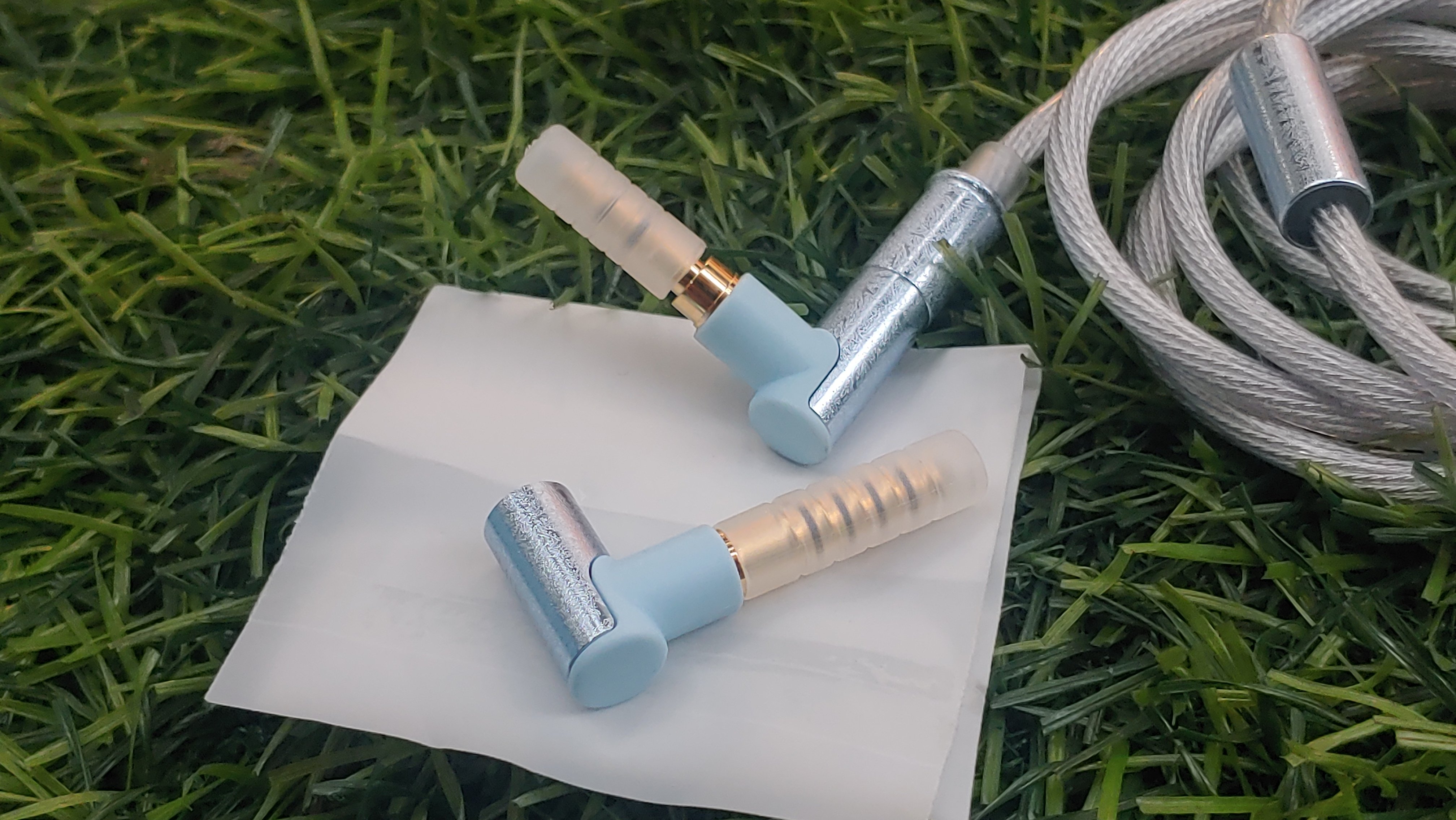
The stock cable of the TANCHJIM SODA is of a high quality and it has a simplified design, balanced texture and weight, sturdy build and offers a strong resistance from entanglement and bending due its stiff structure. The cable is made of multi-strand high-purity silver-plated copper conduction wires in a Litz construction that offers oxidation resistance, improved flexibility and signal integrity for a seamless transmission of lossless audio signal to deliver a pure and consistent sound quality output. Like some of the stock cables from the current midrange models in the audio market, it also features a modular termination that allows us to swap plugs of different output, and it is in an angled structure.
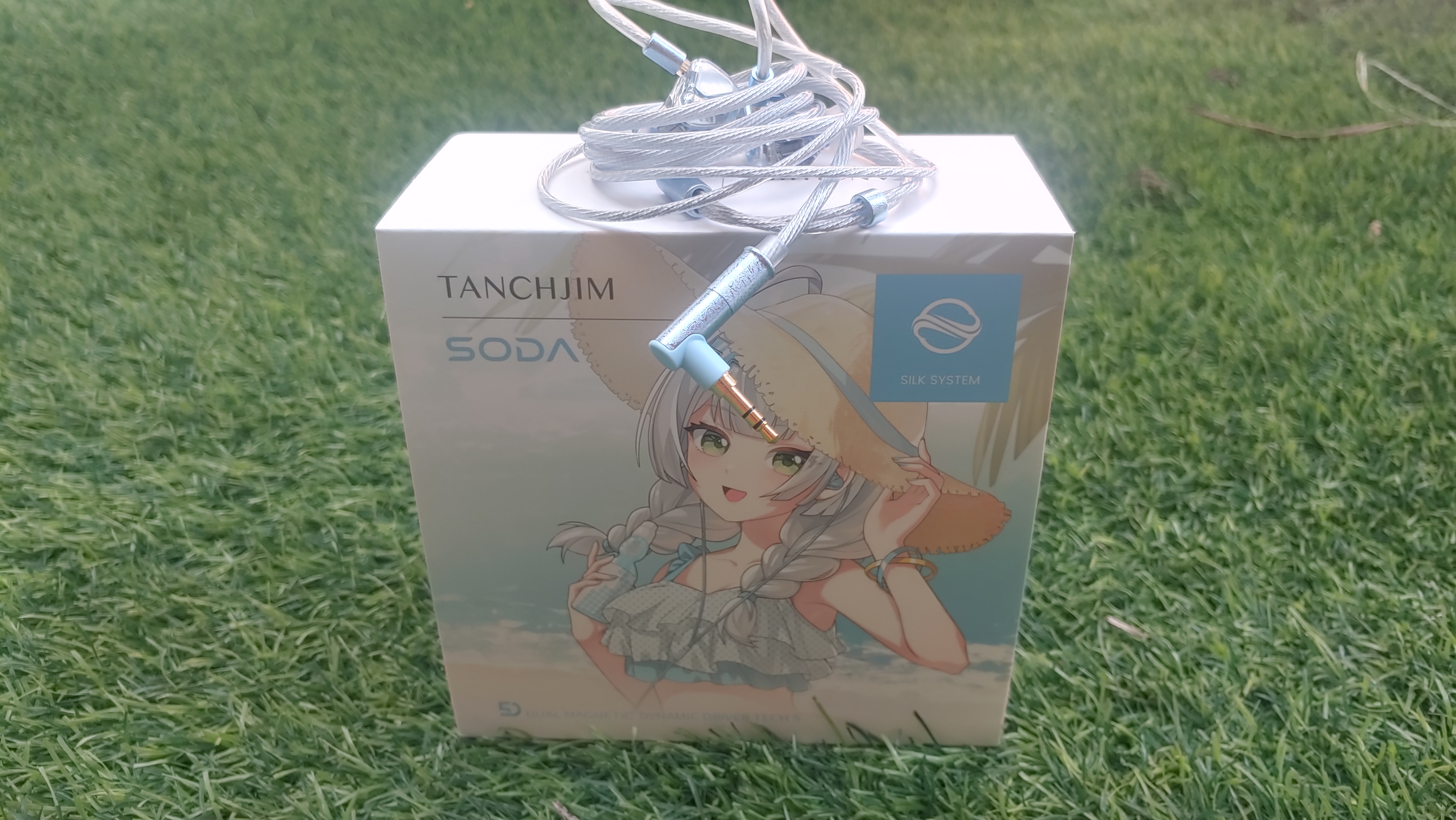
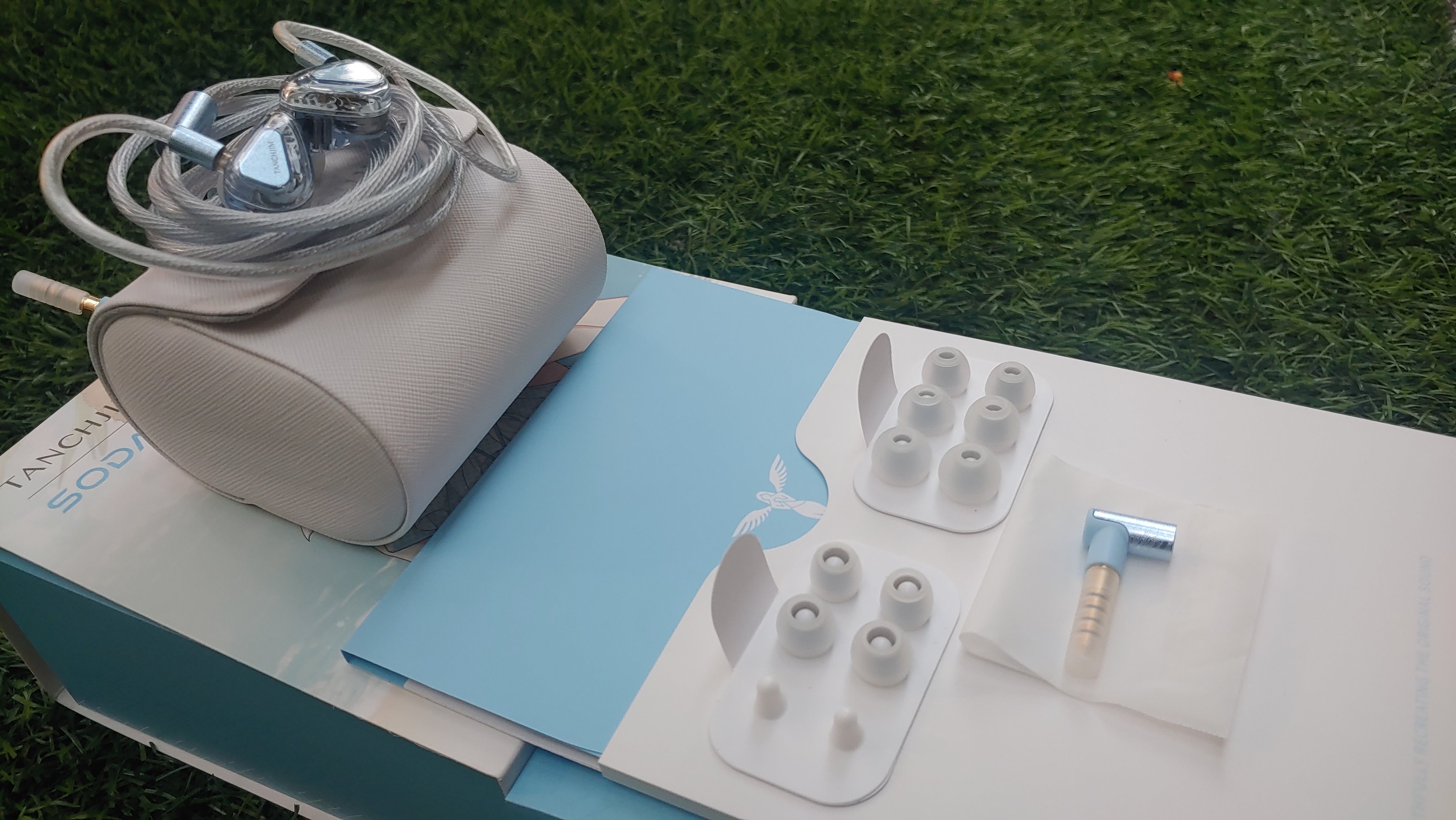
When it comes to its product packaging, the TANCHJIM SODA is fully packed with quality accessories inside. The packaging box itself has a beautifully drawn illustration of their official mascot, Asano Tanch in a summer outfit at the front on its box sleeve, and some printed specifications and company's address and contact information at the back, and it is also a bit pretty bulky and the substantial amount of contents that were included inside are well-presented for unboxing.
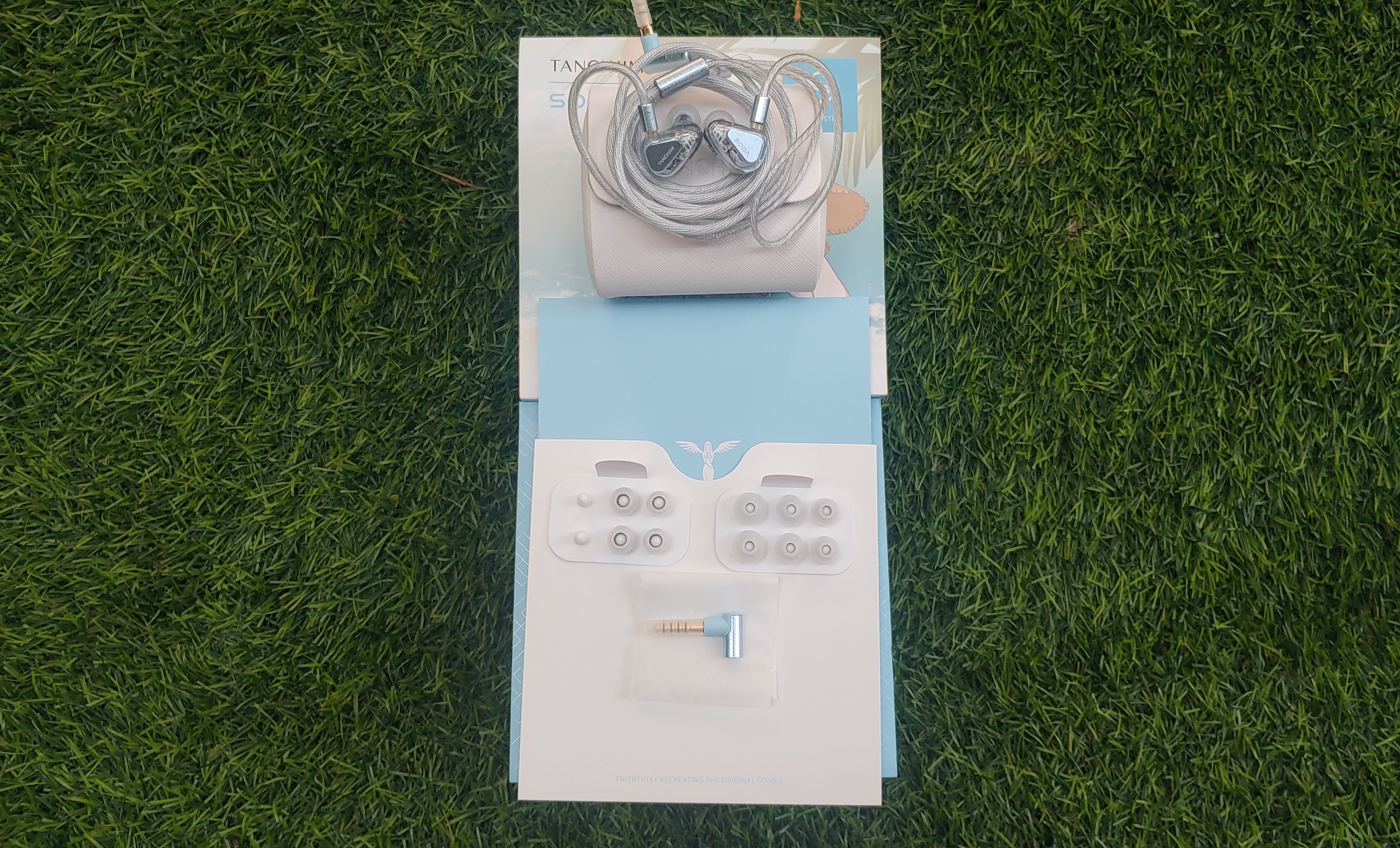
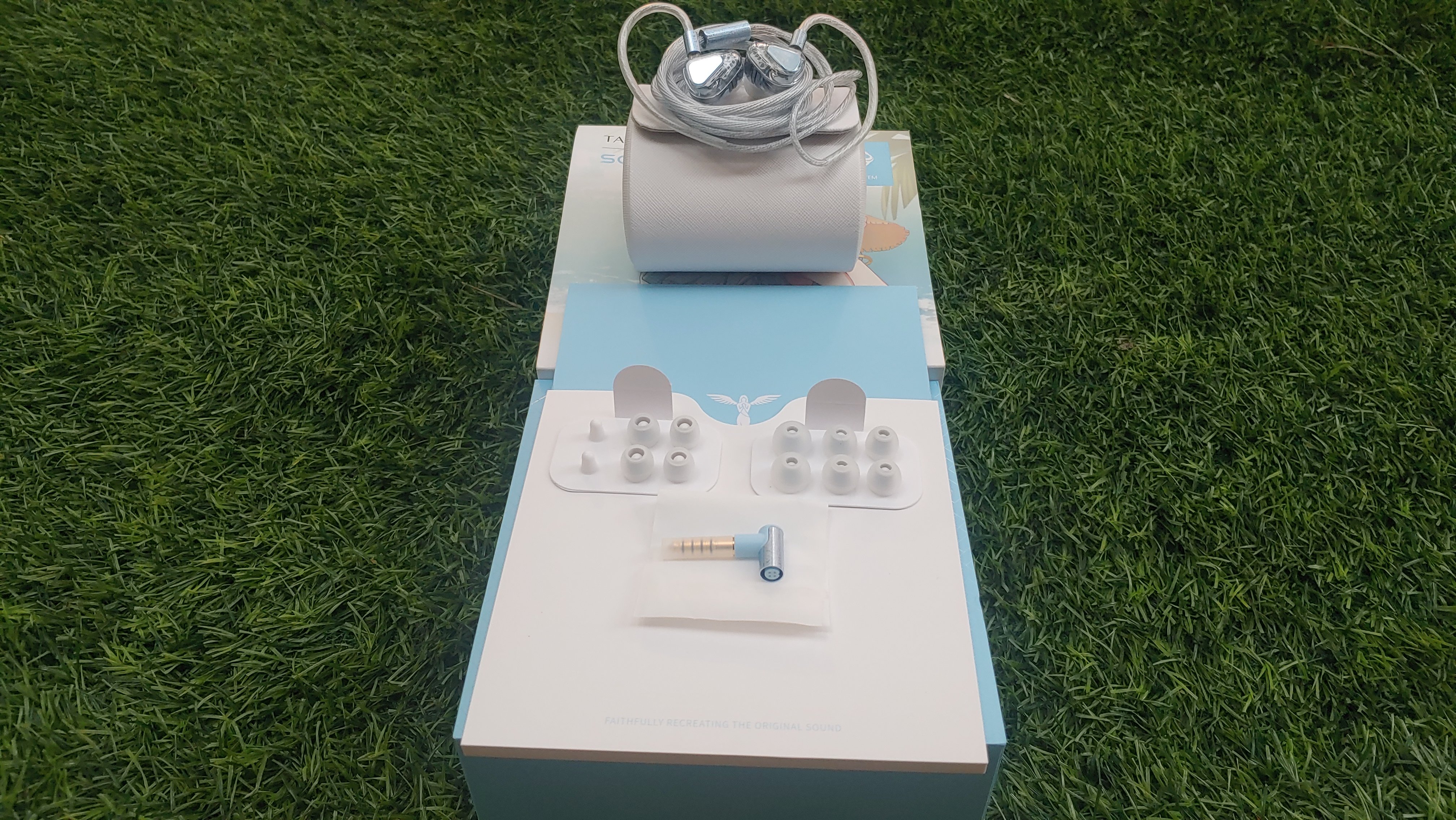
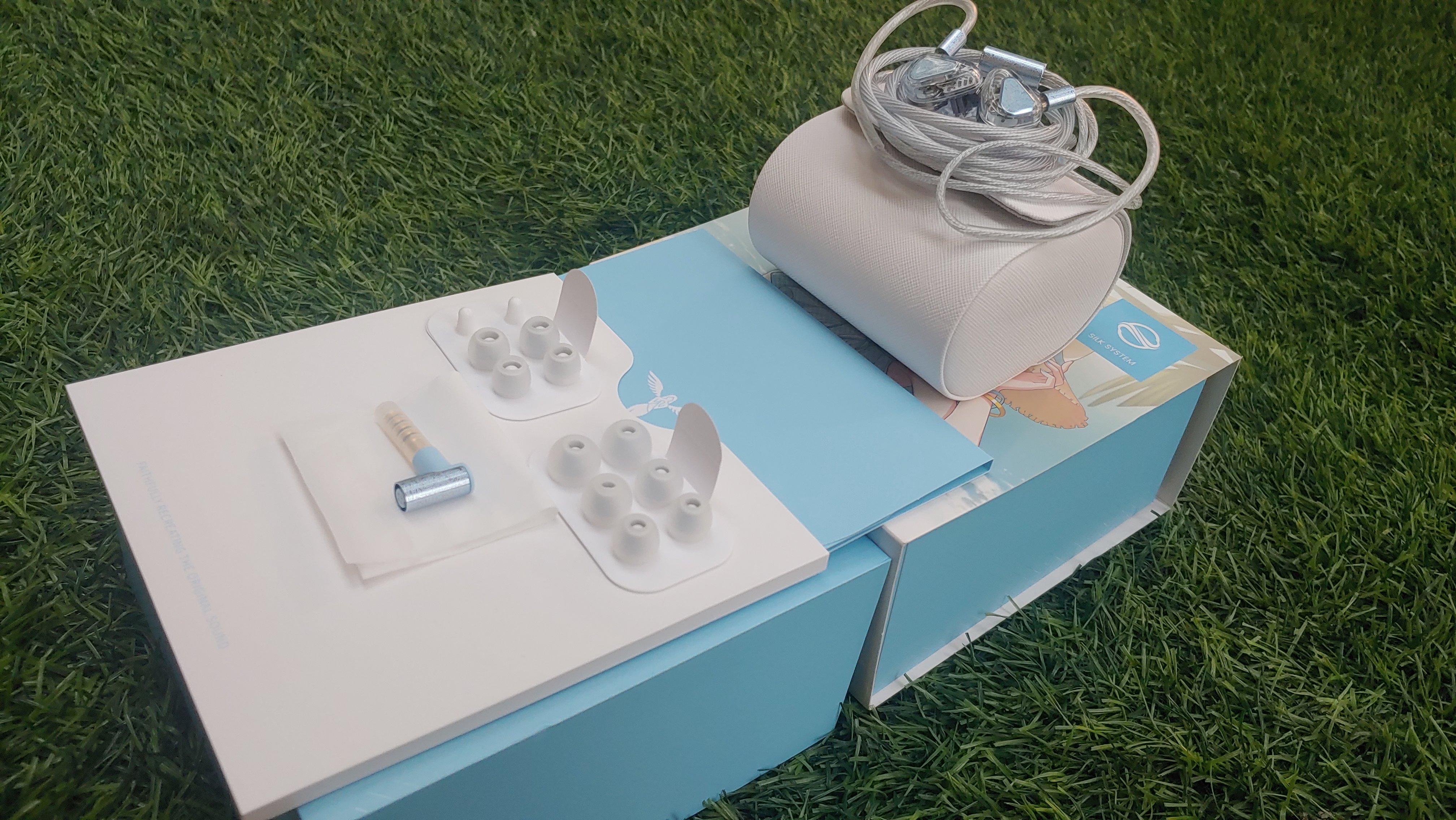
These are the following contents on TANCHJIM SODA’s packaging box:
- Pair of TANCHJIM SODA IEM transducer earpieces
- Stock cable with modular termination feature
- 3.5mm single-ended plug adapter
- 4.4mm balanced plug adapter
- PVC leather storage case
- Three (3) pairs of T-APB bass enhancing balanced bore eartips in different standard sizes
- Three (3) pairs of T-APB treble enhancing wide bore eartips in different standard sizes
- User manual
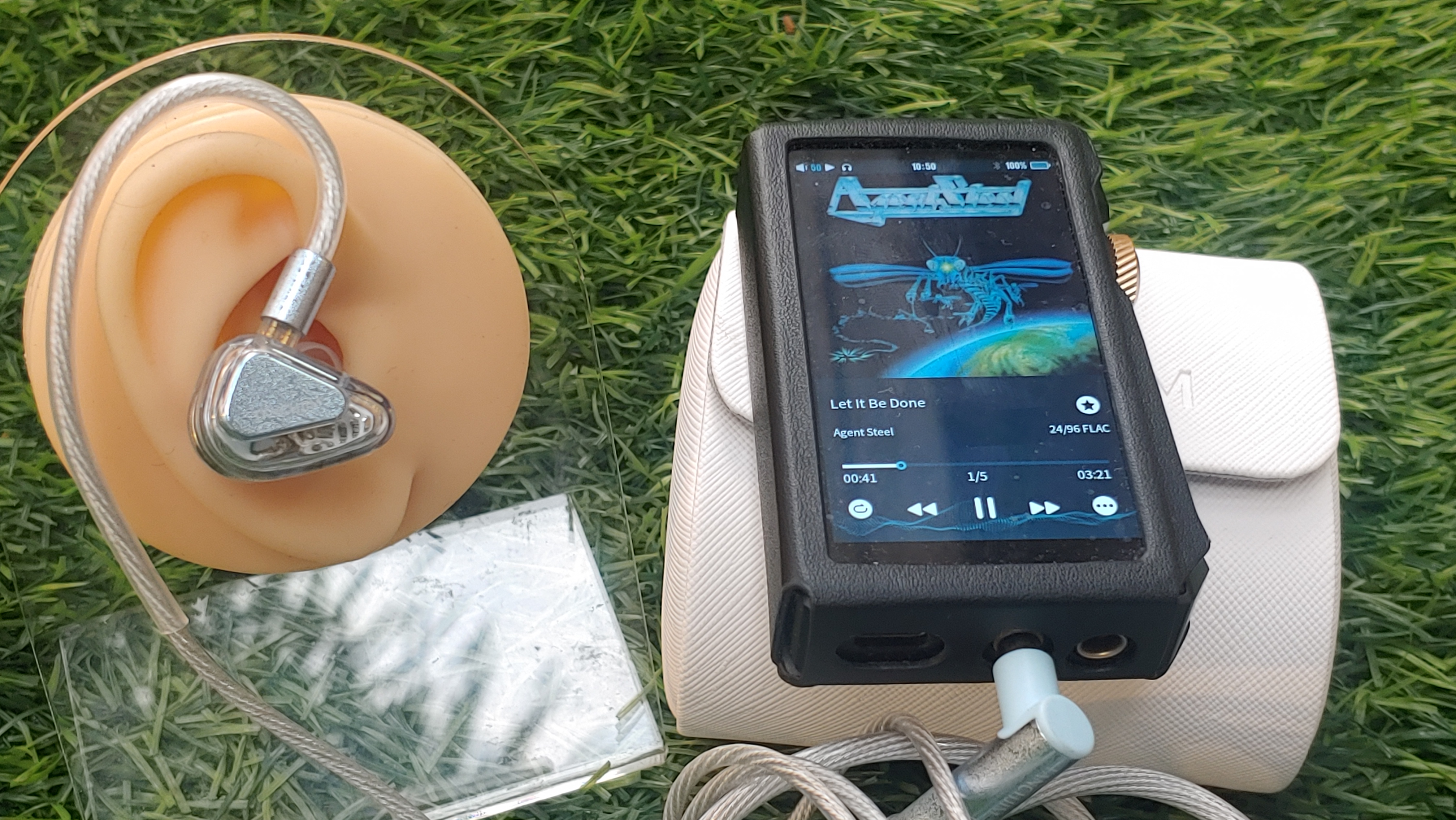
As for its power amplification requirement, with an impedance of 15 ohms and a sensitivity rating of 120dB, this makes this set effortlessly to be driven from a source with a standard gain power output but it is also noted that it will benefit on better sources that it opens up on its perceived staging that adds more roomy feel and tonal impact particularly on the bass and upper mids. Even in an optimised volume level, it will deliver a full range and very dynamic sound with sufficient clarity and detail.
In relation to its tonal profile, it seems that TANCHJIM SODA is an eartip-dependent set as it somehow influences its sound signature a bit, a balanced-neutral sound on the wide bore and a mild U-shaped on the balanced bore eartips that somewhat follows a Harman tuning from the sets in the late 2010s up to early 2020s. In this general sound analysis part, I will base my tonal observation mostly on the wide bore eartips.
LOWS/BASS:
The bass quality on this one seems quite a contrast to the TANCHJIM that I’m quite familiar with like Oxygen and Origin which are known for their slight leaning on mid bass emphasis bass tuning that makes the punch and warmth on note texture more impeccable for bass-clef instruments, but this set is quite a contrasting one as it has more sub bass presence but it still has a mid bass impact albeit a bit less textured. The overall bass response on the SODA is rumbly, a bit tighter on its punchiness and clean sounding.
- Since this is a more of a sub bass-focused bass tuning, it has a deep reverberation which was clearly felt as the grumbling and pulsating presence were produced from some instruments like drum machines, synthesisers and also from low-tuned strings like bass guitars and double-basses.
- Its mid bass texture is relatively adequate that gives enough punchiness as the bass instruments and low octave male vocals have a fair warmth and body on its impact while maintaining a controlled response.
- On some bass-clef instruments, bass guitars sound resonant and sustaining, while the double-basses have a more weighty and raspy sound, and then kick bass drums have thudding and rumbling sound on every beat that these instruments gives these foundational basslines and bass grooves on a harmonic structure.
- While the low octave male vocals, as they have deep ringing resonance on both bass and bass-baritones, they sound a bit hollow with less dark tone on their voices that they can't depict that dense and wool-y vocal texture that they are known for.
MIDRANGE:
The midrange presentation on the SODA is relatively neutral, balanced, transparent and to some degree, energetic. There’s barely enough warmth on it but it doesn't add more depth and volume on some instruments like percussions and vocal texture, mostly on male ones, as it doesn't give that lush and rich sound on those vocals that some listeners, particularly who likes warm sound, wants more of the warm analogue-ish tonality known for its rich, a bit saturated and full tonal characteristic that they might perceive it as lean sounding. But on high octave female vocals and like strings and woodwinds, they will essentially sound accurate and realistic due that slight boost in the upper mids that make it more lively, expansive and clear.
- As I mentioned that it has a marginally warm on its lower midrange that affects some vocal quality and heft on male vocals types like lower range baritones and tenors, but somehow some other types of baritones like the light baritones and lyric baritones, they have a sweet, mellow and light sound on them, while tenors have a ringing and dazzling sound from their voices, and then the countertenors have a tender, graceful and glowing sound from their falsetto voices.
- On the female vocals, contraltos seems to sound a bit hollow and lean as it doesn't have that vocal depth for this particular vocal type to sound more husky and weighty that these chesty voices should sound like, the mezzo-sopranos have a coppery and intense sound as we hear that expressive tightness from their vocals, and then the sopranos in which they will thrive better on this midrange tuning as they sound silky, silvery and lucid as lyric and coloratura types will sound more airy, expansive and reverberating as they are capable on delivering those agile and high velocity vocal passage while maintaining power.
- The instruments on this one gives more realistic and nearly accurate tonal colour on both woodwinds and brasses, a light and airy sound on flutes, a graceful and brilliant sound on piccolos, a mild and reedy sound from saxophones, a brilliant and vivid on trumpets, a tense and brassy sound on trombones, and lastly, the metallic brilliance and coarse sound on horns.
- With this follow-up on other instruments, when it comes to the string ones; a crisp, bright and sustaining sound on the guitars on every plucking on its note strings, a vibrant and sweet sound on the violins on every bowing on its note strings, and a cantabile and lively sound from cellos, while on percussions on beating their respective drum head, a penetrating and rusting sound from snares, a clear and resonant sound from tom-toms, a sonorous sound on field drums and then, a resonant and rumbling sound from kettledrums.
- The pianos seem to have a bright sound on this one as it has a lively, clear and brilliant tone on them.
HIGHS/TREBLE:
This is what makes it interesting on the SODA, for sure it was tuned a bit bright that allows it to give some intensity on the tones’ radiance to highlight clarity and detail but it also has that smoothness that makes it sound less aggressive and more pleasant to enjoy treble quality without sounding harsh. It also has a good airy extension on its brilliance section, but still not the airiest one that I’ve heard from a hybrid driver set-up.
- The slight boost somewhere on the upper-mids up to some parts of the presence section that emphasises clarity and definition that bring out more details on the attack on instruments and a bit sharper articulation on the vocals.
- And also, there is some noticeable smoothness that it has some slight dip slope and an even response around in the presence and brilliance section due to that resonance dampening by those passive radiator drivers, therefore the sibilance was kept under control while it eliminates any potential of harshness, although there are some instances of an intense scintillating presence that might be bothersome to some extremely treble-sensitive folk.
- On the brilliance section, it has a sparkle albeit a bit smooth and it has moderately airy treble extension.
- In some instruments that notated on the treble staff, cymbals sound lustrous and undulating, hi-hats have a crisp but a bit dull and soft tone with its chick-y sound, celestas sound mellow and a bit velvety, and then, the glockenspiels have a bell-like sound on them.
SOUNDSTAGE, IMAGING & OTHER TECHNICALITIES:
The SODA’s overall technical performance is quite impressive in its own right that we will certainly hear its intuitive auditory engagement that enhances our listening experience. These aspects certainly add more reputation to this set on what makes it more convincing to be purchased if you are into complete technical metrics of an IEM.
- The perceived soundstage of this one is definitely spacious as it has a wide lateral span, good height reach and a comprehensive depth from front to rear with my aural sphere.
- On its stereo imaging, it presents a 3D-like presentation in a well-layered soundscape with good separation of musical elements like vocals and instruments in which we can pinpoint its placement within its spatial acoustic background, that playing some of the complex tracks like jazz and philharmonic orchestra recordings will be sound more organised and not a messy jumbled one.
- In regard to the cohesiveness of its hybrid driver set-up, they perform homogeneously as the dynamic driver delivers a fast transient response for more precise bass attack, while the supporting balanced armature drivers are efficient in conveying a detailed, crisp and clear sound on vocals and instruments across its frequency range.
- The resolution capability of this one is quite delineating and resolving that it has solid macrodynamics on highlighting the varying degree of its volume dynamics on its chorale lines and instrumental passage from its quietest section up its loudness level, while the microdynamics have a balanced sharp definition on retrieving fine details, grains and nuances from an audio track like notation attacks, instrumental reverb tails and vocal delays.
PEER COMPARISONS:
DUNU VULKAN II
- One of the latest midrange models from DUNU, and like the SODA it also has a hybrid driver set-up.
- It has two dynamic drivers and six balanced armature sourced from different audio solutions and one of them are Knowles BA drivers, and they are encased in solid aluminium alloy.
- A strong expectation on a DUNU product that this one is also fully-furnished with accessories inside, from different types of proprietary eartips up to the premium cable with modular termination feature.
- This one is also a neutral sounding set but aligns with DF-target sound as it has a bit flat presentation that makes its sound a bit leaner and a tad energetic.
- In comparison with the SODA, even it has a less rumbly and a bit tighter bass response, a balanced midrange presentation as it has enough warmth and a bit energetic sound that adds more animate and lively on vocals and instruments and also, it has a bright but more airy treble response.
- It also has a strong technical performance almost on par with SODA as it also has wide, well-layered and cohesiveness of its driver transients, but it has bit sharper micro-detail retrieval in a slimmest of margin.
HISENIOR CAÑO CRISTALES
- Another midrange set from HISENIOR along with the recently released MEGA7 which is also another hybrid driver set-up IEM.
- The multi-driver configuration of this one consists of two dynamic drivers and four balanced armature drivers sourced from Knowles and Bellsing and they are encapsulated in a UIEM-type composite shell chassis made of laminated wood and resin.
- This one is fully-packed with accessories inside of its packaging box, from different types of eartips up to its premium stock cable with modular termination feature.
- It has a V-shaped sound signature which has a fun, engaging and lively coloured tonality.
- The bass response of this one is more punchy, impactful with authority, a recessed midrange but it has warmer and energetic sound that makes more musical and coloured sounding, and a brighter and shimmering treble response with more brilliance air on it.
- As for its overall technicalities, this set has an intimate presentation of its perceived soundstage sound, but it has a distinct layering on its 3D-like stereo imaging presentation and a tad sharper micro-detail definition on its microdynamics in resolution capabilities.
AFUL P8
- An old midrange model from AFUL with a hybrid driver configuration.
- The driver set-up of this one has a single dynamic driver and seven custom balanced armature drivers encapsulated in a resin shell chassis whose shape is known in the audio community as one of the best fitting IEM in the market.
- While its product packaging was stuffed with a number of quality accessories, its premium stock doesn't have a modular termination feature.
- This one has a mild U-shaped sound signature with a balanced tonality.
- Compared to the SODA, It has a more punchy and rumbly bass, a more warmer midrange that adds some depth and volume on some males’ vocal texture, and a bit brighter but more airy extension on its treble response.
- It has a bit intimate soundstage compared to the SODA, a 3D holographic stereo imaging with a well-layered soundscape and a similar resolution capability in terms of resolving and detail.
In my final verdict about this product, I'm quite impressed by TANCHJIM's workmanship and tuning prowess as on how they were able to implement their skills on crafting it in a different driver set-up beyond its usual installation of a single dynamic driver that they are known for as this is my first time to test a hybrid driver set-up from them. This is not their first foray on a hybrid driver configuration as they released a high midrange set before as the honour goes to the TANCHJIM PRISM which was their old flagship with the said driver set-up as I'm still longing to try them out.
The TANCHJIM SODA is a solid set, with a mature neutral tuning and featuring exceptional technical capabilities that make it more compelling and credible to the eyes and ears of audio enthusiasts in a global audio community backed with TANCHJIM’s prestige as a trusted audio company. For sure that it’s not all beer and skittles on this set, as this is not an ideal tonal profile for some audio enthusiasts who are seeking for a bassy, coloured, fun or warm analogue-ish sound that they might hear it as boring and a bit lethargic for their tonal preferences. But in my opinion, as a neutral head, this set is very competent, and if you enjoy neutral sounding IEMs, I strongly recommend this set to you as a fellow neutral head and it offers a reasonable price for its product presentation, build quality and the choices of materials that were used to make this exquisite set of in-ear monitors.
TANCHJIM SODA is now available on TANCHJIM’s official online store, I've just provided a link below for those who are interested in purchasing this product.
LINK:
https://tanchjim.com/en/products/earphones/iem/soda/
SPECIFICATION:
MODEL: TANCHJIM SODA
IMPEDANCE: 15.5Ω
SENSITIVITY: 120dB
FREQUENCY RESPONSE: 8Hz – 48KHz
CABLE LENGTH: 1.2m
PIN TYPE: 0.78mm 2-PIN CONNECTOR
PLUG TYPE: (MODULAR) 3.5mm, 4.4mm
DRIVER UNIT(S): (1) DYNAMIC DRIVER, (4) BALANCED ARMATURE DRIVER(S), (2) PASSIVE RADIATOR(S)
PROS:
● Solid build yet lightweight composite shell.
● Despite its multiple driver set-up, it was able to maintain a medium-size shell for better fitting to almost all ear sizes.
● That clear and see-through design shell will evoke curiosity and transparency among audio enthusiasts as it will exhibit its internal inner workings like drivers, acoustics tubes and other electrical components.
● Well-packed with quality accessories inside of its packaging box.
● Inclusion of a premium-grade stock cable along with modular termination feature.
● That high quality PU-leather storage case will ensure good protection on the SODA IEM.
● Fairly easy to drive despite its multi-driver configuration and also due to its high sensitivity and low impedance rating, and also it scales well with sources that have a high and stronger power output.
● A balanced-neutral sound that doesn't sound tiring for a long listening session as it doesn't sound too clinical or analytical.
● Deep reverberating subbass and a precise, clean and well-segregated bass quality.
● Balanced, smooth and clean midrange presentation.
● Crisp, sweet and vibrant sound on strings, airy and delicate sound on woodwinds.
● Clear, open-sounding and lively certain male and female vocals particularly on counter-tenors and sopranos.
● Lustre and well-extended airy treble response that is somewhat closer to a well implemented SONION “EST” electret driver in terms of performance.
● Exceptional technical performance.
CONS:
● Definitely not for audio enthusiasts who are into more coloured, fun and engaging sound and this one might sound too boring for them to enjoy.
● Not for bassheads due to its less warm and a bit hollow midbass therefore doesn't have that authoritative bass response that they would like for.
● On its midrange region, It has insufficient fullness and body on the note weight on some vocal textures from both male (baritones) and female (contraltos).
● Might be too lean sounding for audio enthusiasts seeking for a warm analogue-ish type of tonality.
TRACKS TESTED: ( * = 16-bit FLAC, ** = 24-bit FLAC, *'* = MQA, '*' = DSD, *'= .WAV)
Alison Krauss -When You Say Nothing At All *
Jade Wiedlin - Blue Kiss**
Led Zeppelin - When The Levee Breaks **
Mountain - Mississippi Queen *
Queen - Killer Queen **
Guns N' Roses - Patience *'*
Eric Clapton - Tears in Heaven '*'
Sergio Mendes- Never Gonna Let You Go '*'
Pearl Jam - Daughter **
Roselia - Hidamari Rhodonite *
Assassin - Fight (To Stop The Tyranny)*
Celtic Frost- Visual Aggression *
New Order - Blue Monday *
The Corrs- What Can I do (unplugged version) *
Jimi Hendrix Experience - Voodoo Child *
The Madness- Buggy Trousers *
Metallica - Motorbreath **
Mariah Carey- Always Be My Baby *
Destiny's Child - Say My Name *
Malice Mizer- Au Revoir *
Mozart - Lacrimosa *
New York Philharmonic Orchestra - Dvorak- Symphony 9 " From the New World." *
Eva Cassidy - Fields of Gold (Sting cover)*
Michael Jackson - Give In To Me *
Exciter - Violence and Force *
Diana Krall - Stop This World **
Debbie Gibson - Foolish Beat *'*
The Sisters of Mercy – Lucretia My Reflection**
Suzanne Vega – Luka **
Lauren Christy – Steep *
Ottoman Mehter - Hucum Marsi *
Diana Damrau - Mozart: Die Zauberflöte*
Type O Negative - Black No.1 *
Felix Ayo - Vivaldi: Presto **
Three Tenors - Nessum Dorma *
Mercyful Fate - Witches' Dance *
P.S.
I am not affiliated to TANCHJIM AUDIO nor receive monetary incentives and financial gains as they provide me a review unit for an exchange of factual and sincere feedback from yours truly.
Once again, I would like to send my gratitude to the @TANCHJIM Official for providing this review unit. I truly appreciate her generosity and trust towards me and other reviewers.

Comments
Post a Comment