TWISTURA BETA: Fun Yet Energetic
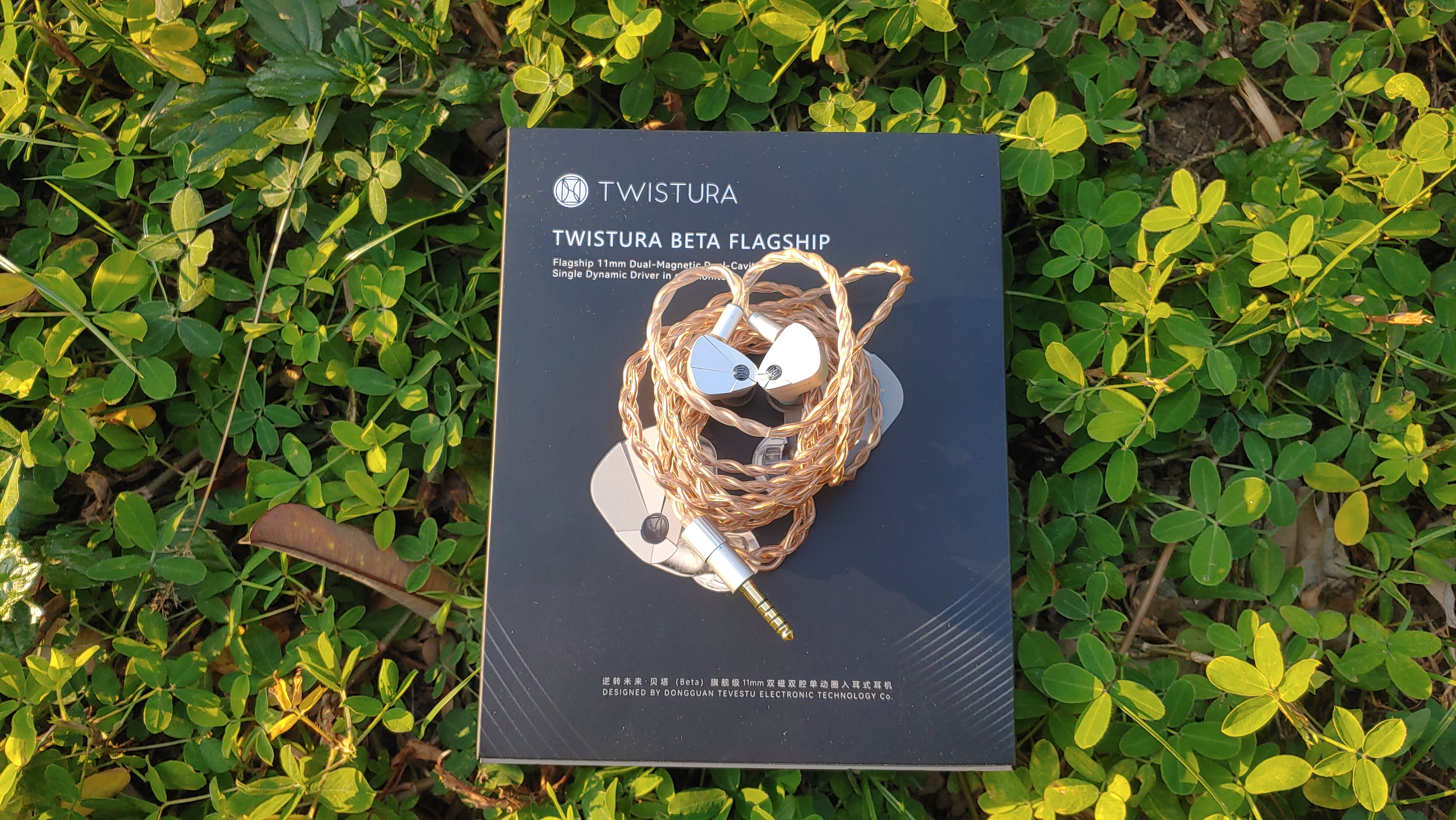
TWISTURA is one of the latest audio companies that was recently established around 2024 in China, and it seems that they are somewhat related to TRN, another well-established audio brand in the market known for their affordable headphones with good sound quality. This is actually my second product for this audio company, and what I have here is their model, The TWISTURA BETA.
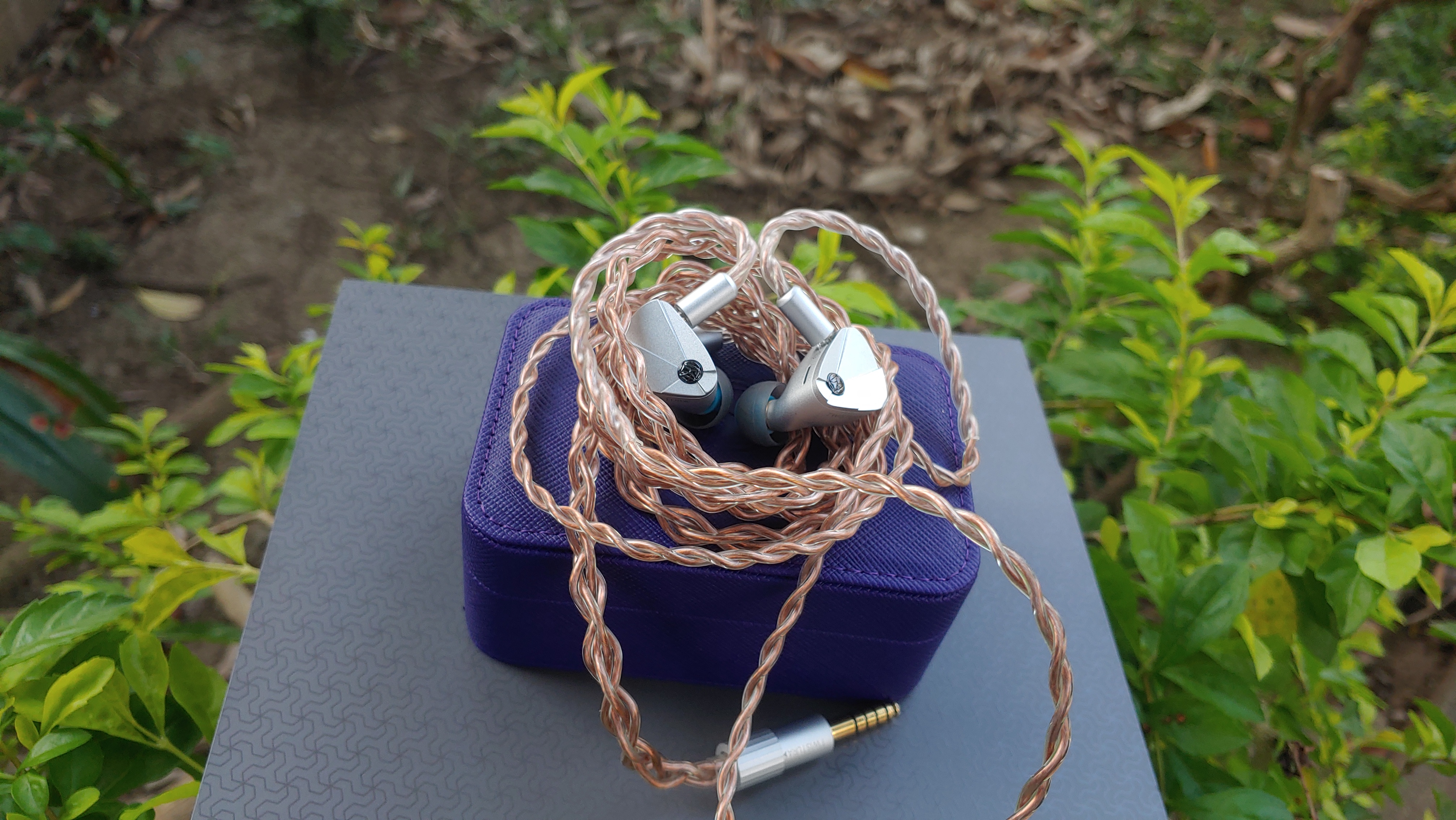
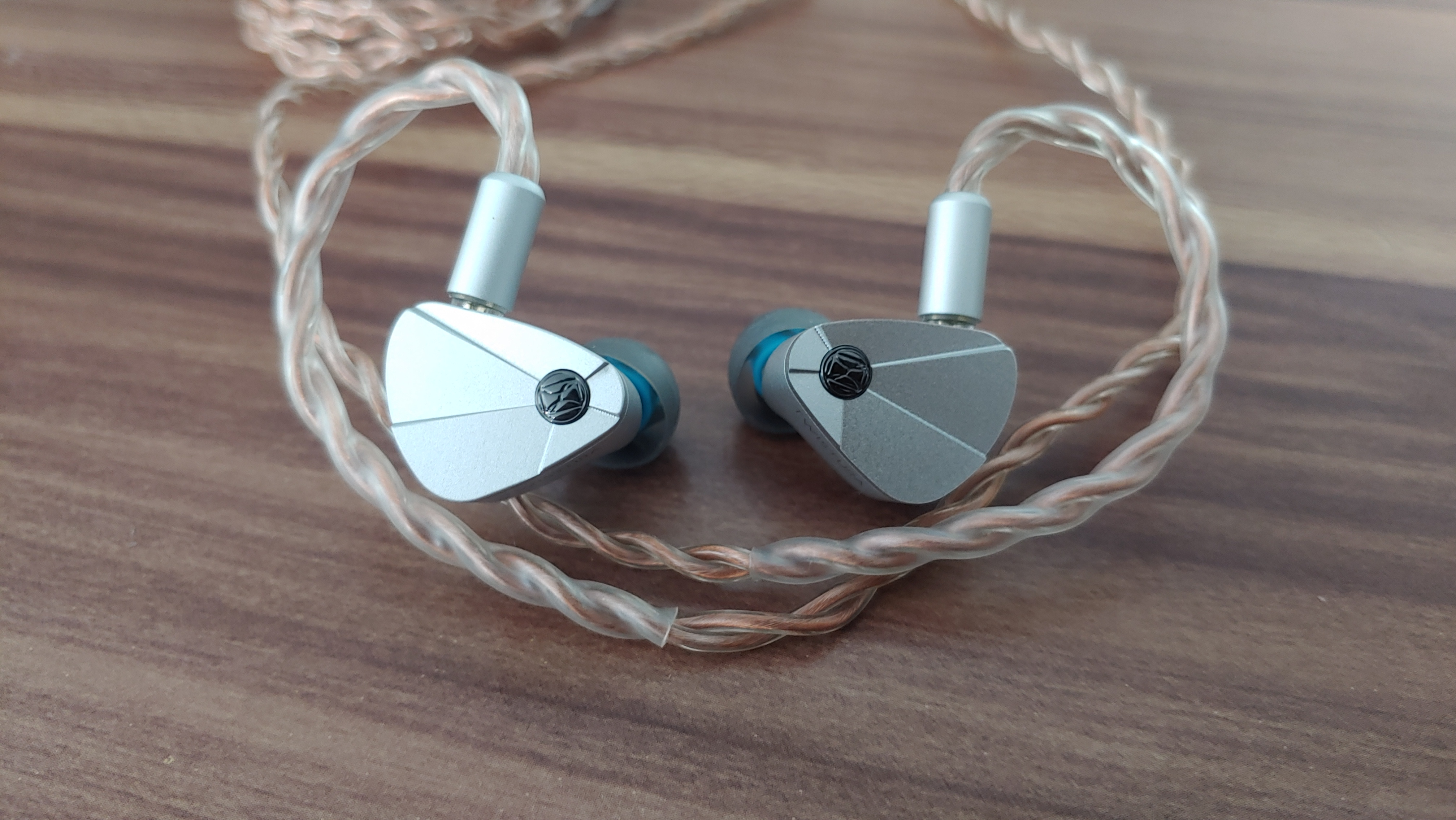
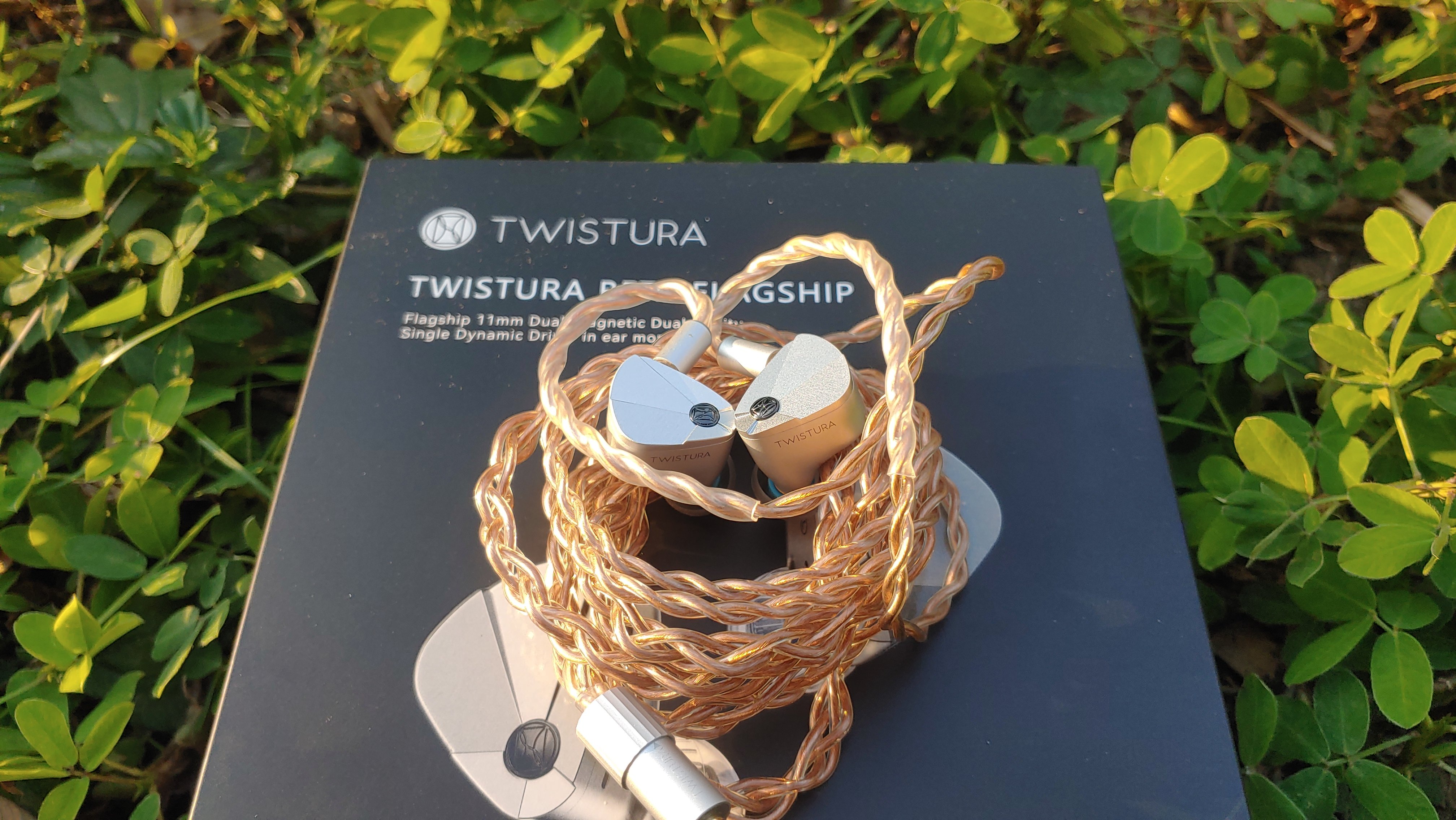
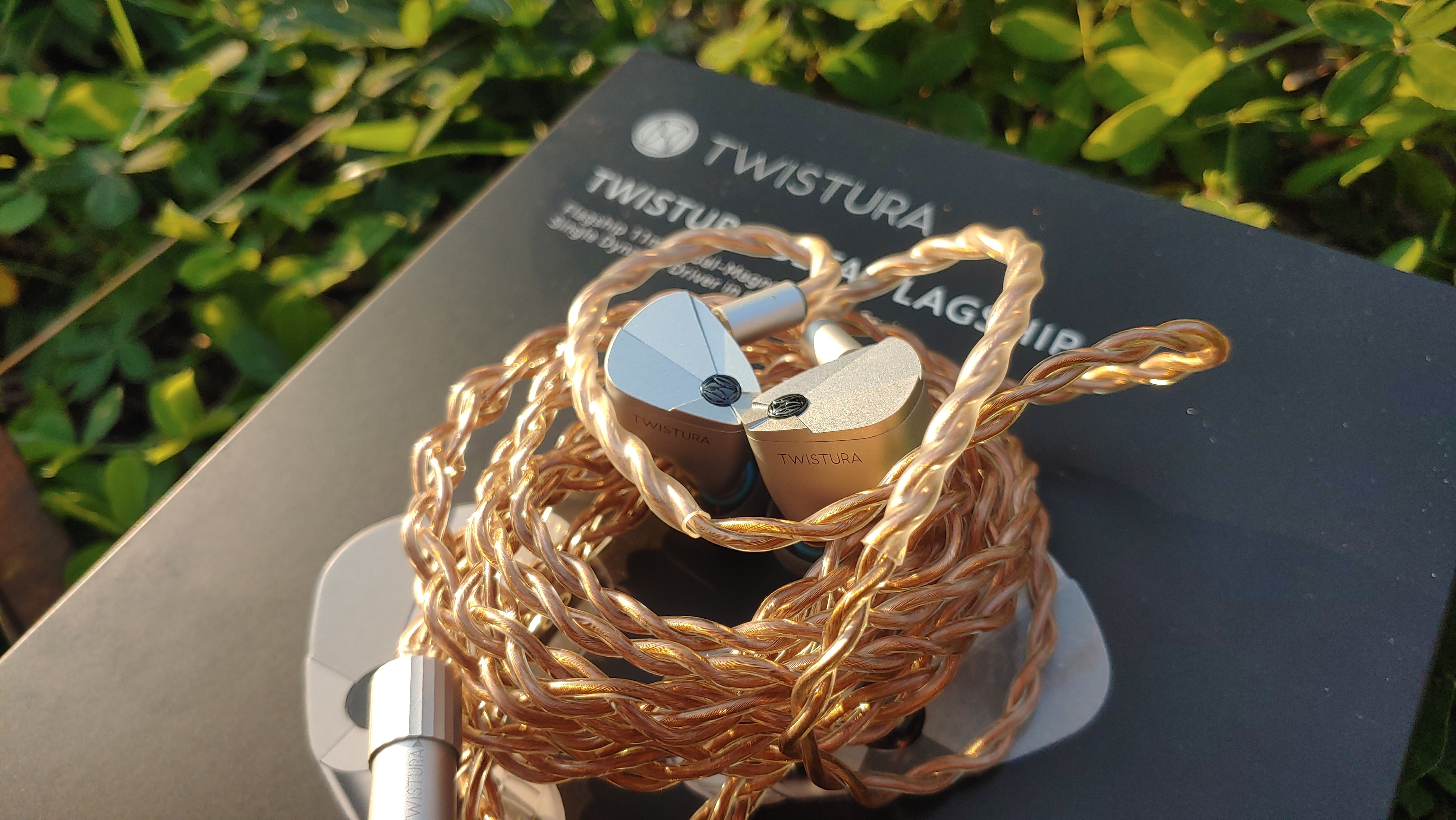
The TWISTURA BETA is an entry-level IEM earphone and it has a single driver configuration with detachable tuning nozzles just like their previous model that I have reviewed before. It features a new generation of dynamic driver which has a diameter size of 11mm in a dual-chambered structure arrayed with dual magnetic frame with an imported thin flat glass diaphragm with a pliable PU (polyurethane) surround on its outer edge that this material known for its rigidity and lightweight for less vibration, better transient response and detail sound quality as it offers a deep bass, rich, and transparent midrange and a clear vocals.
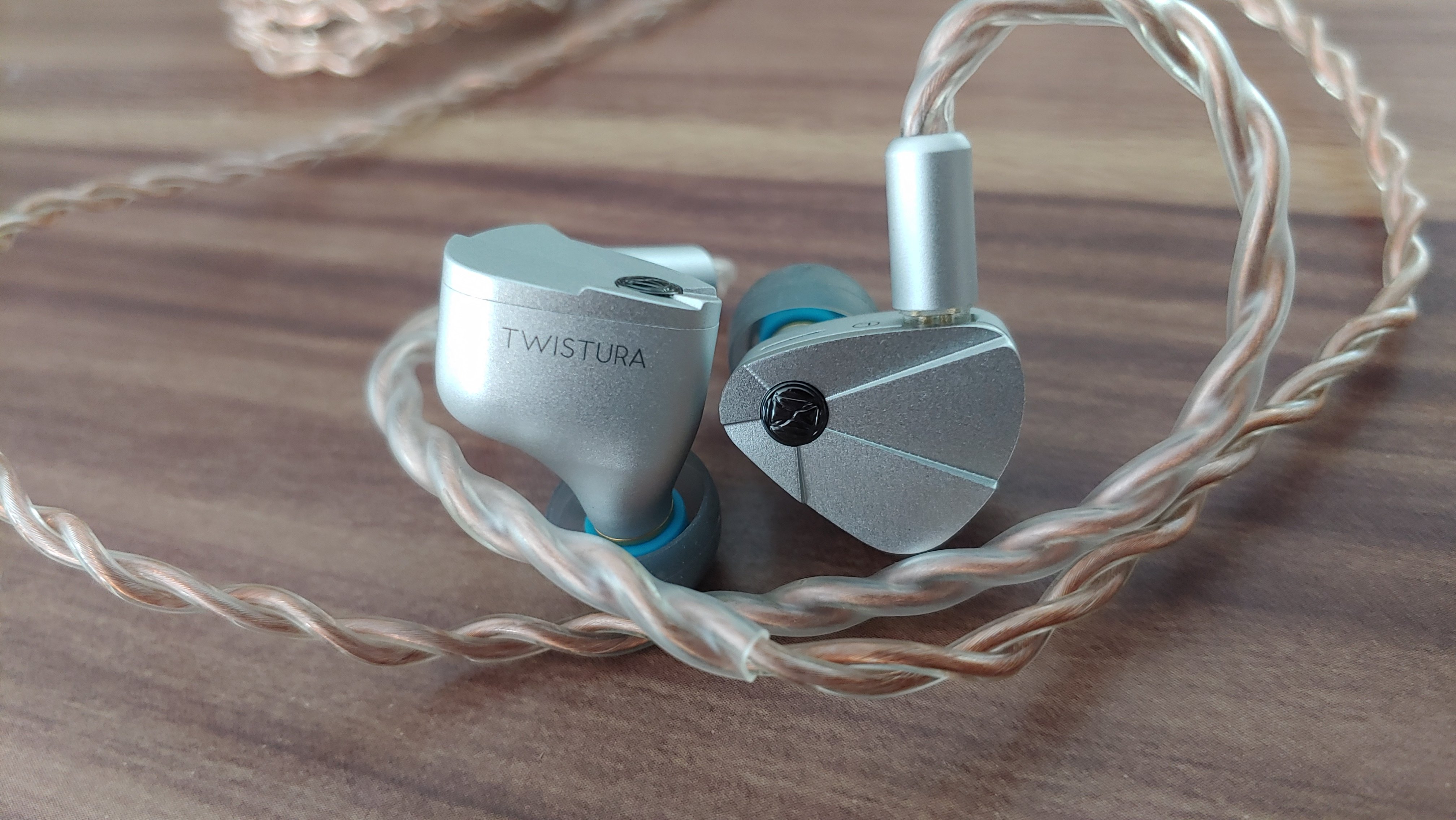
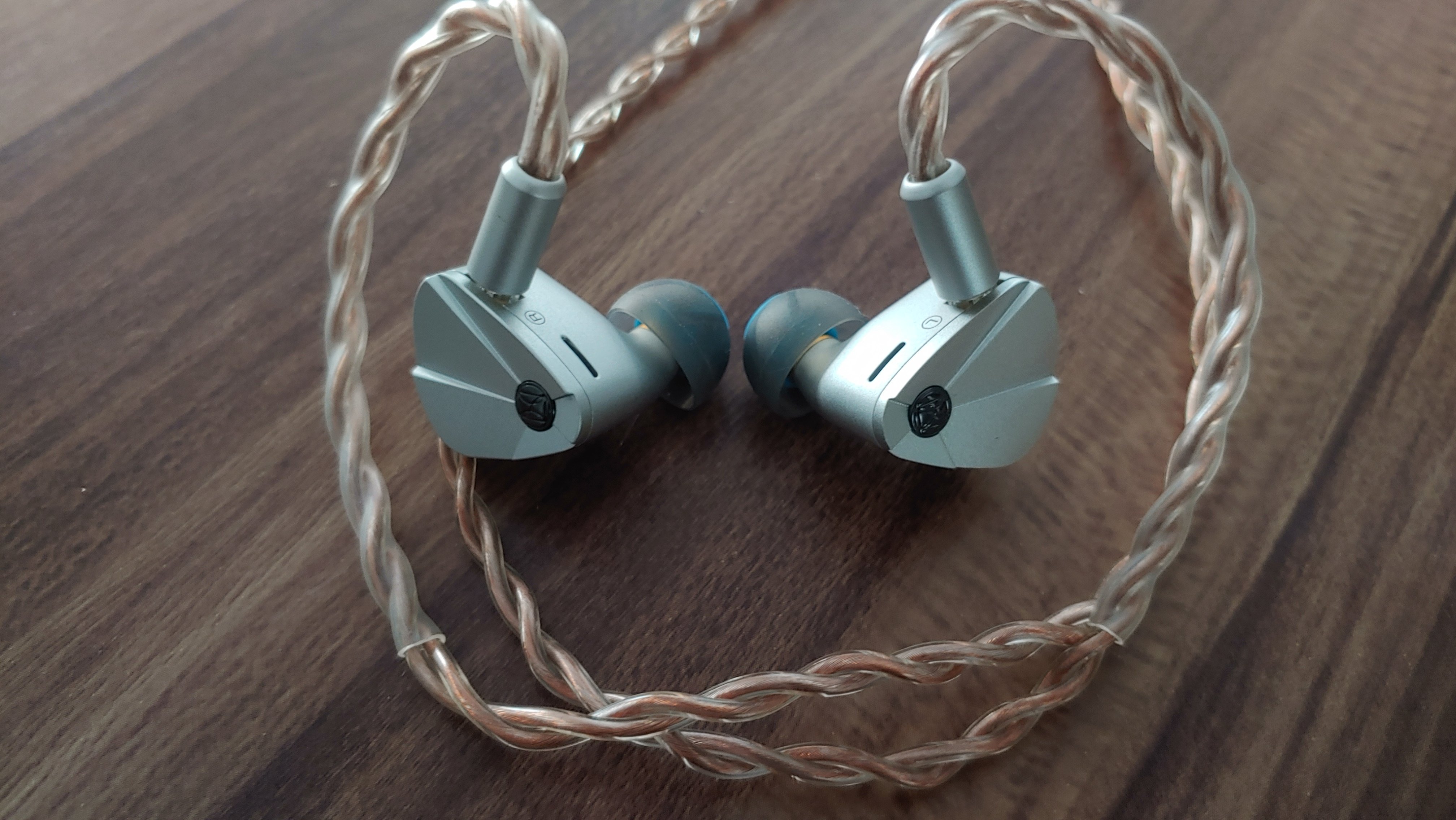
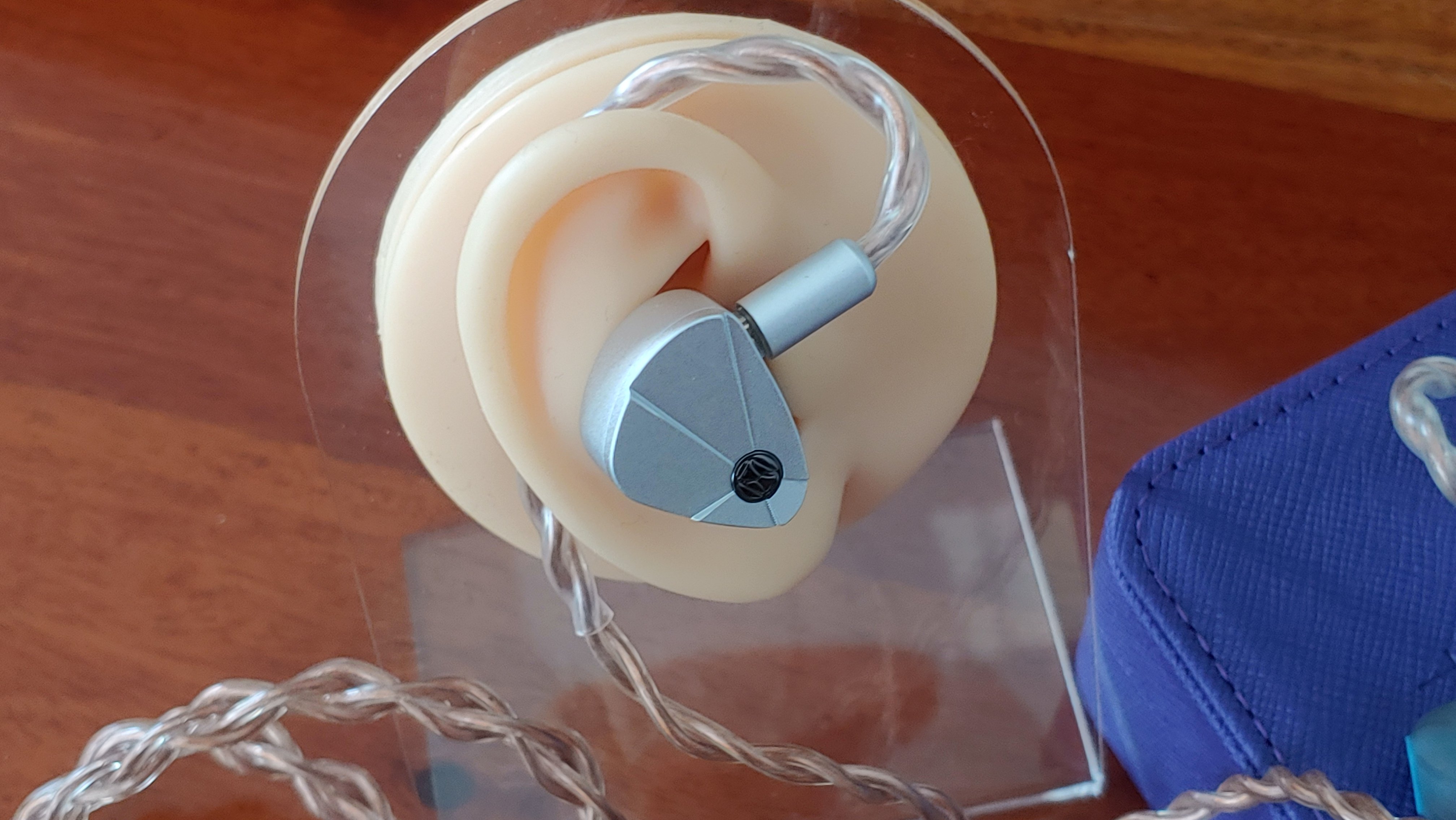
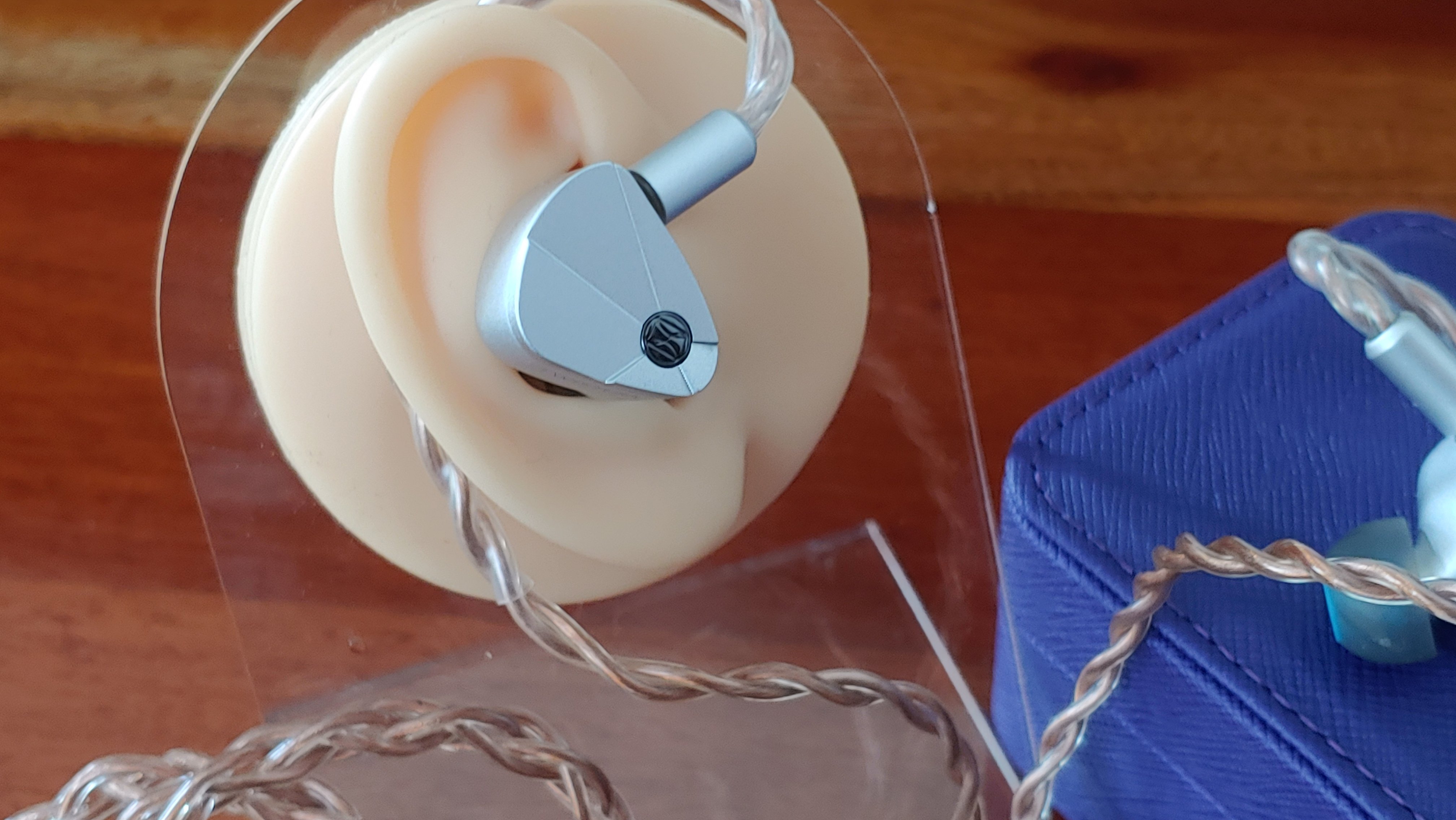
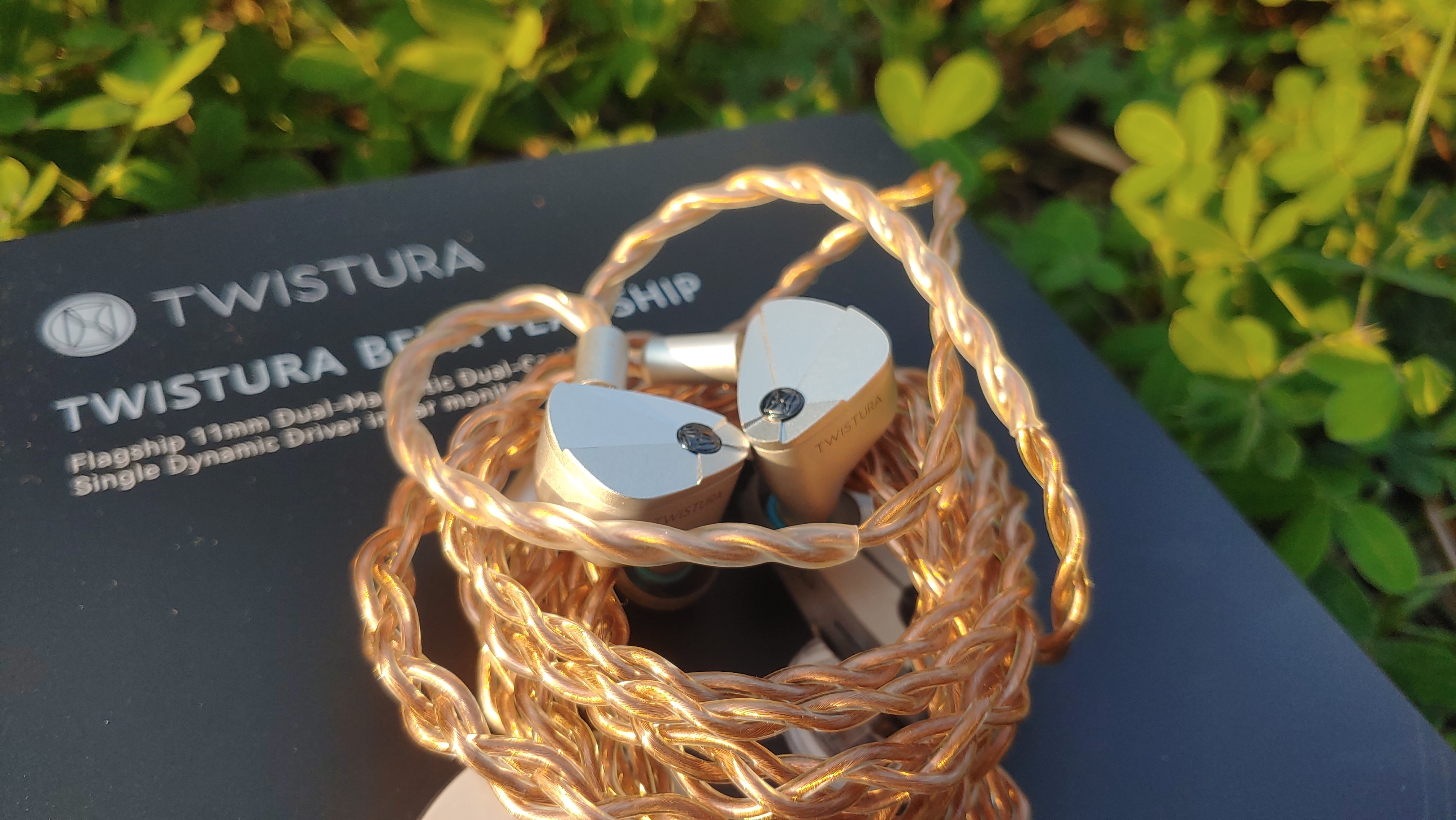
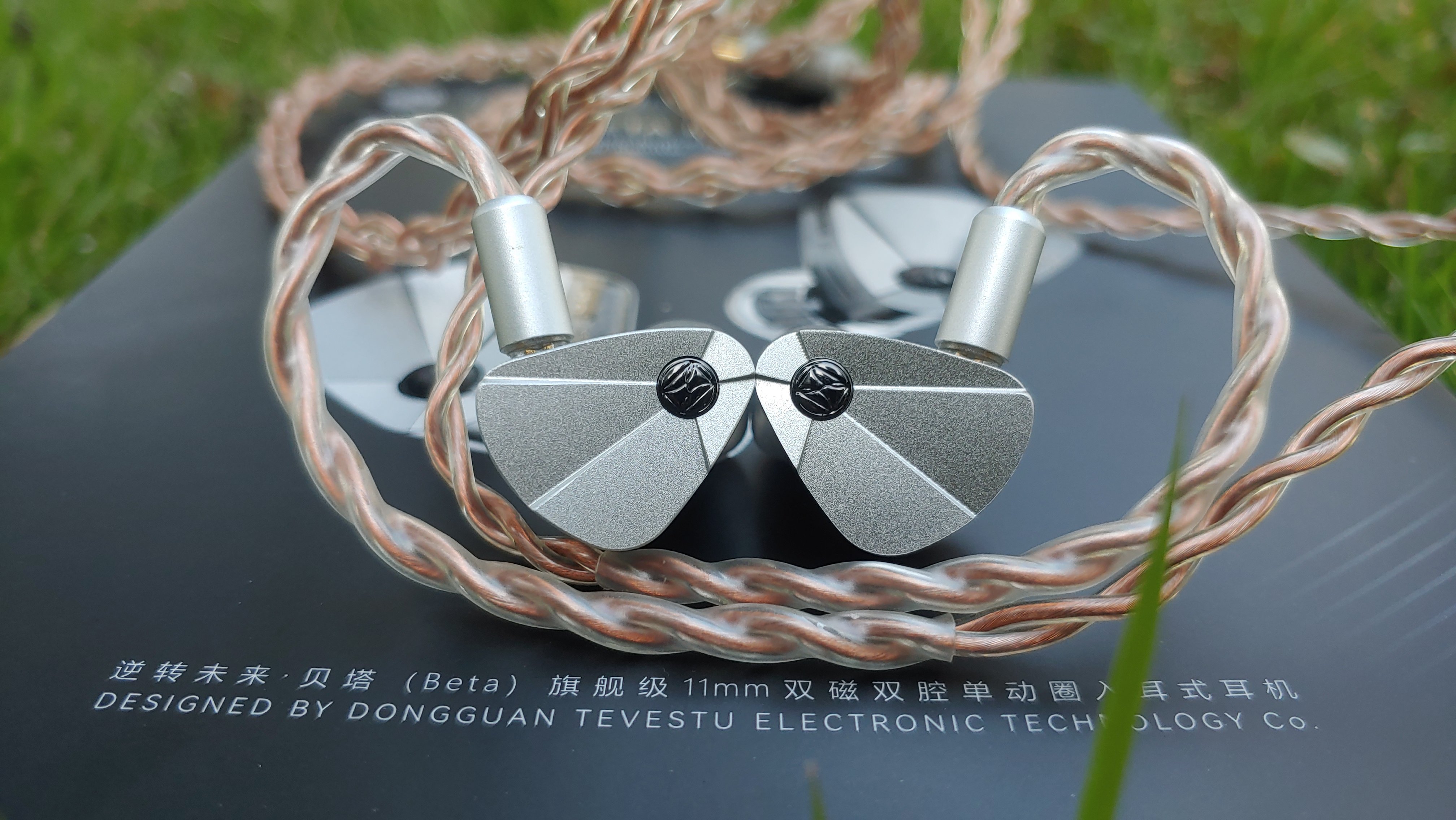
The transducer was then encased in a solid CNC-milled aircraft-grade aluminium alloy shell structure with a burnish-like finish on its surface as it underwent some casting process like anodising and sand-blasting. The shell has an irregular rounded triangle-shaped design and on its faceplate panel, there are some sculpted straight lines that are spreading in different points of axes along with a logo located in an off-centre position. Furthermore, I mentioned a while ago that it also features a detachable nozzle in which we can interchange it to other tuning filter nozzles that were also included inside of its packaging box, and as for its detachability, it uses a recessed 0.78mm bi-pin connector as its interlocking mechanism which is more stable and secured interlink between the cable and earpiece.
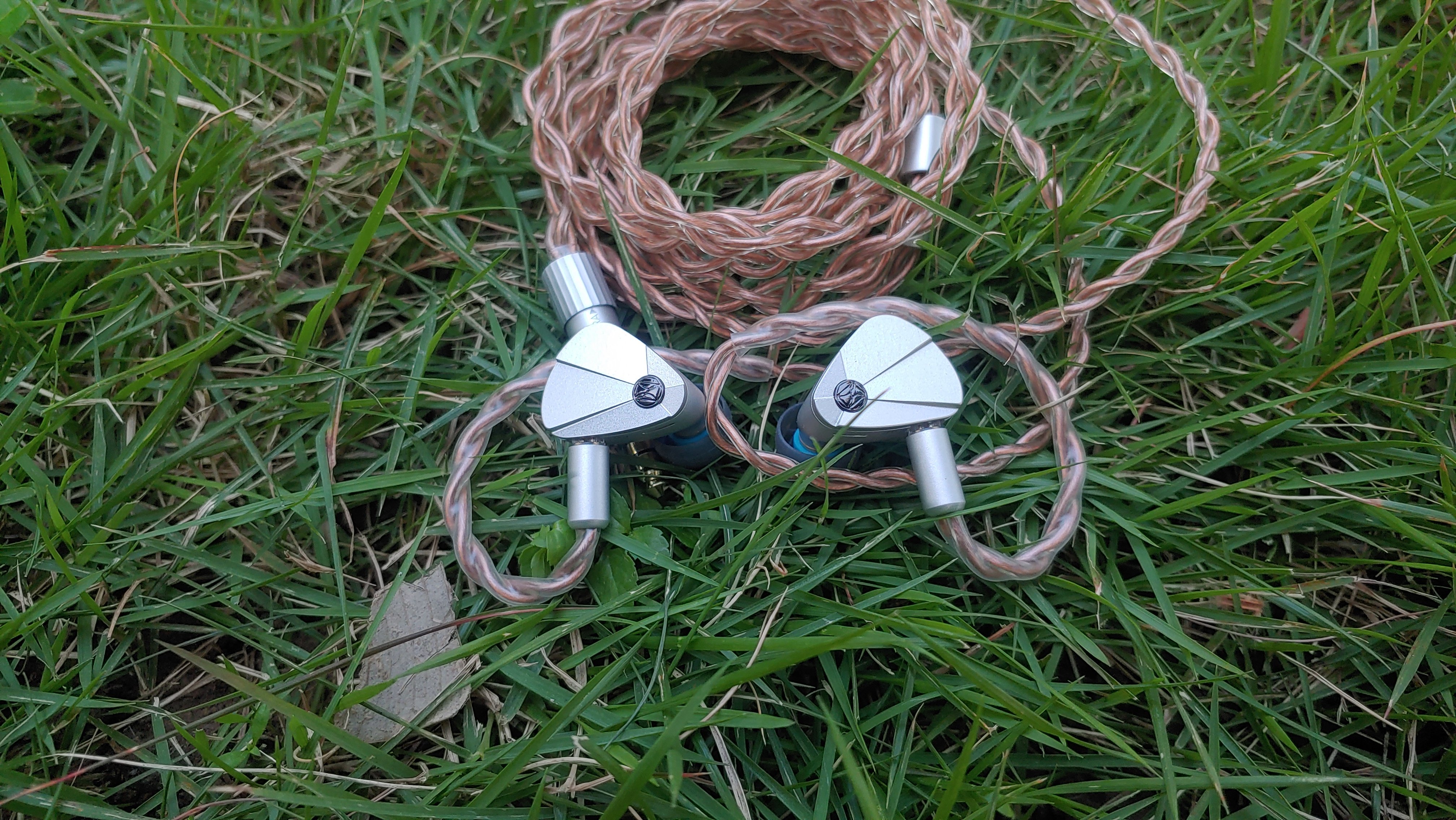
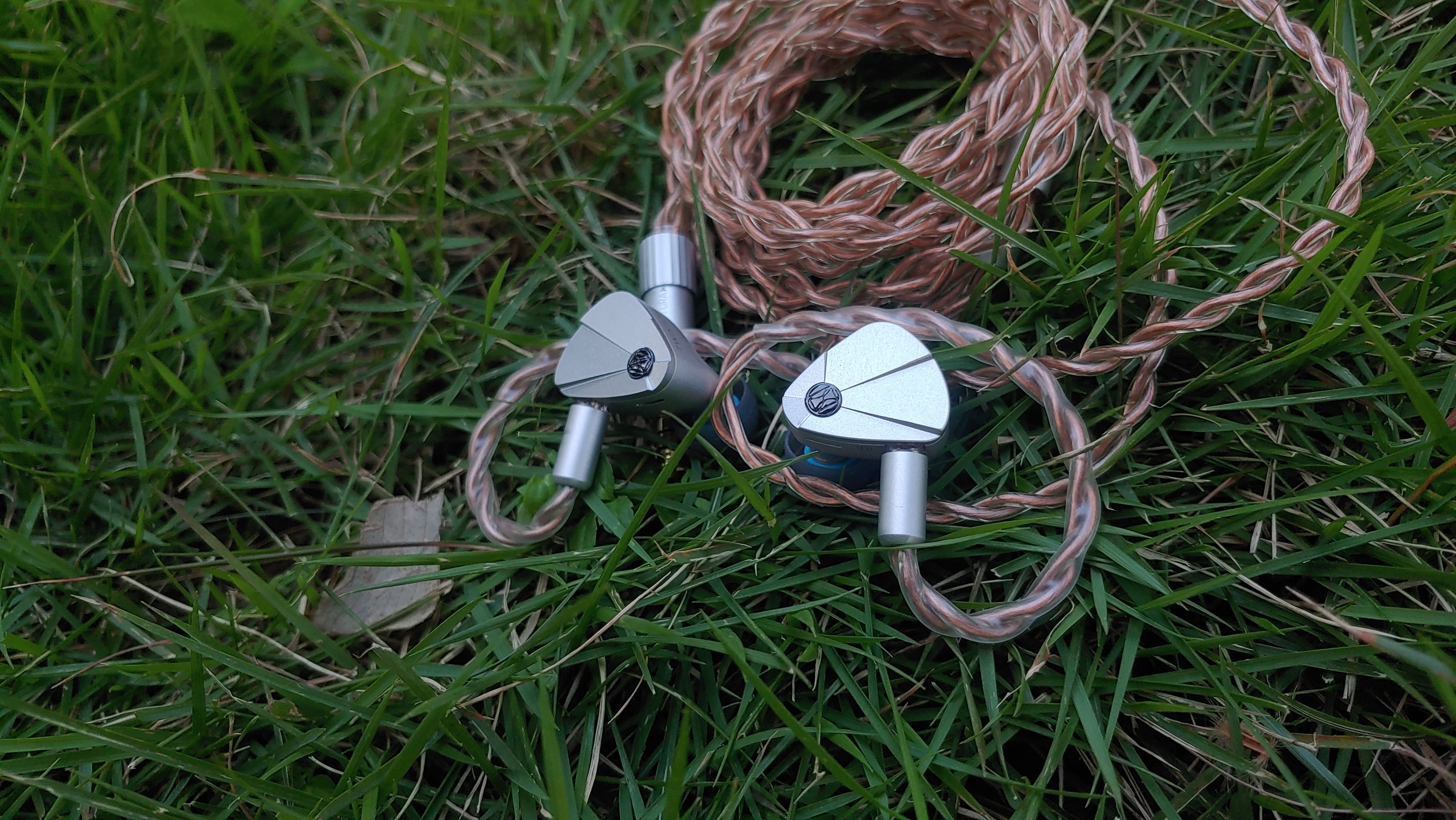
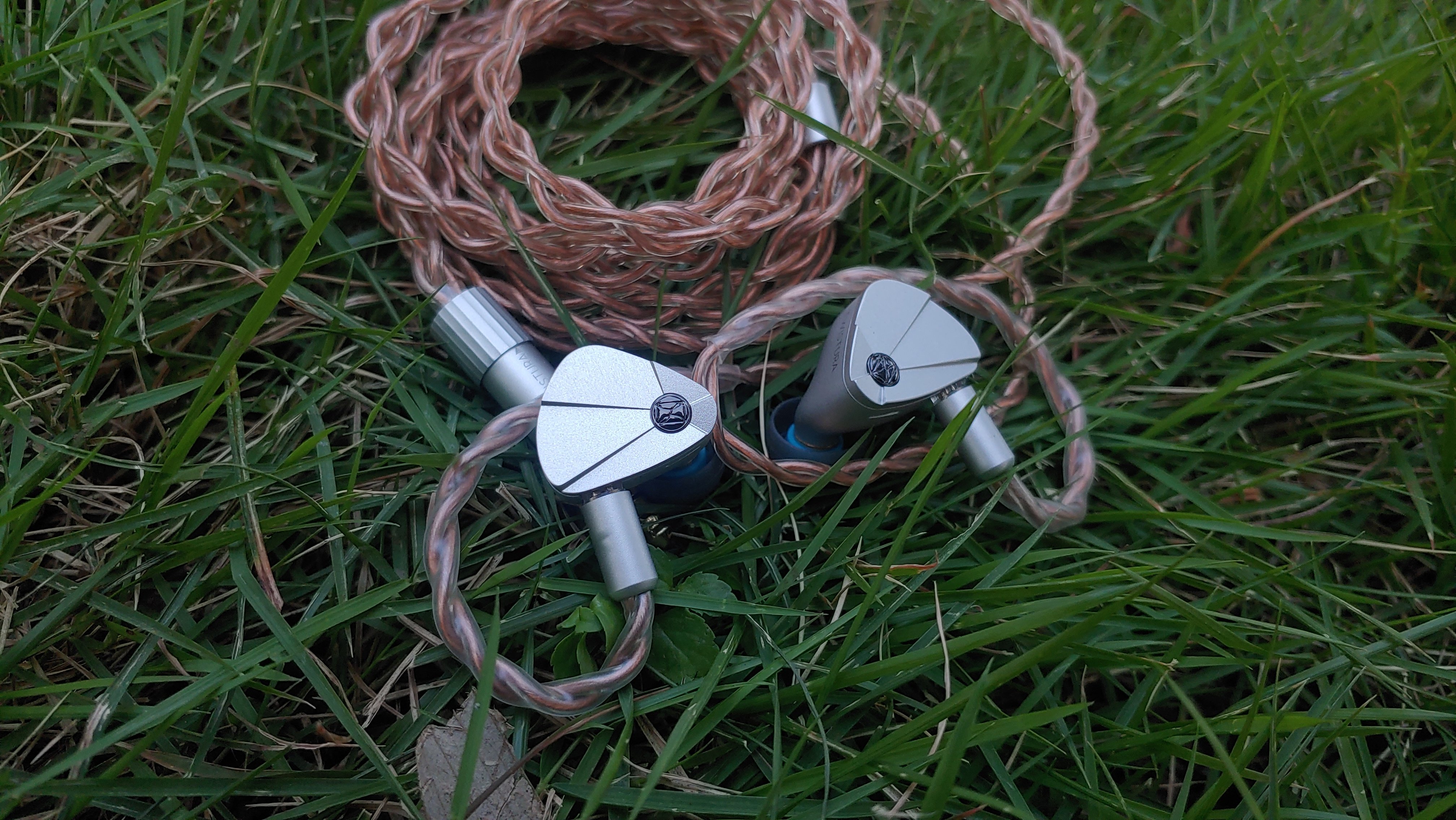
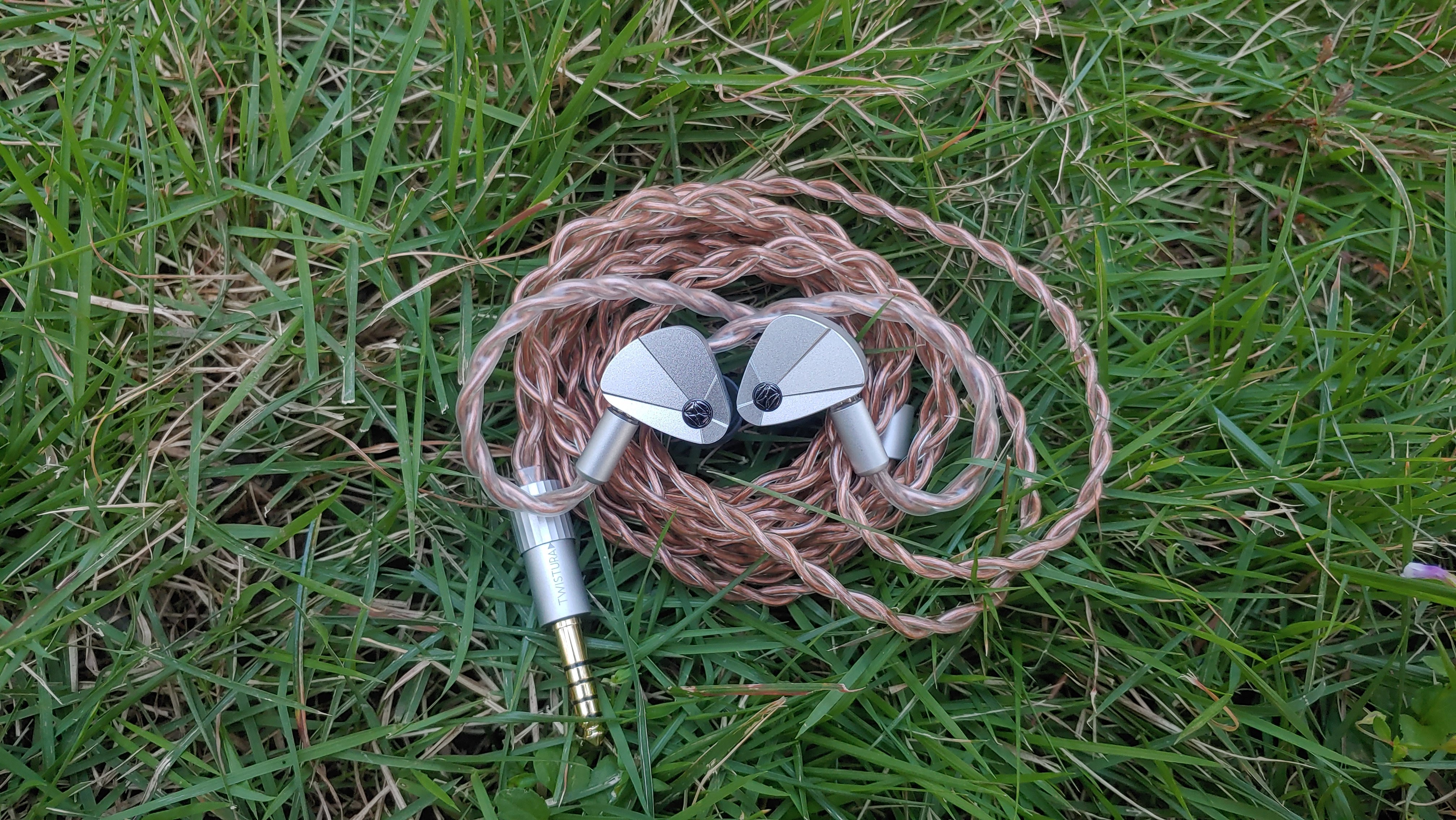
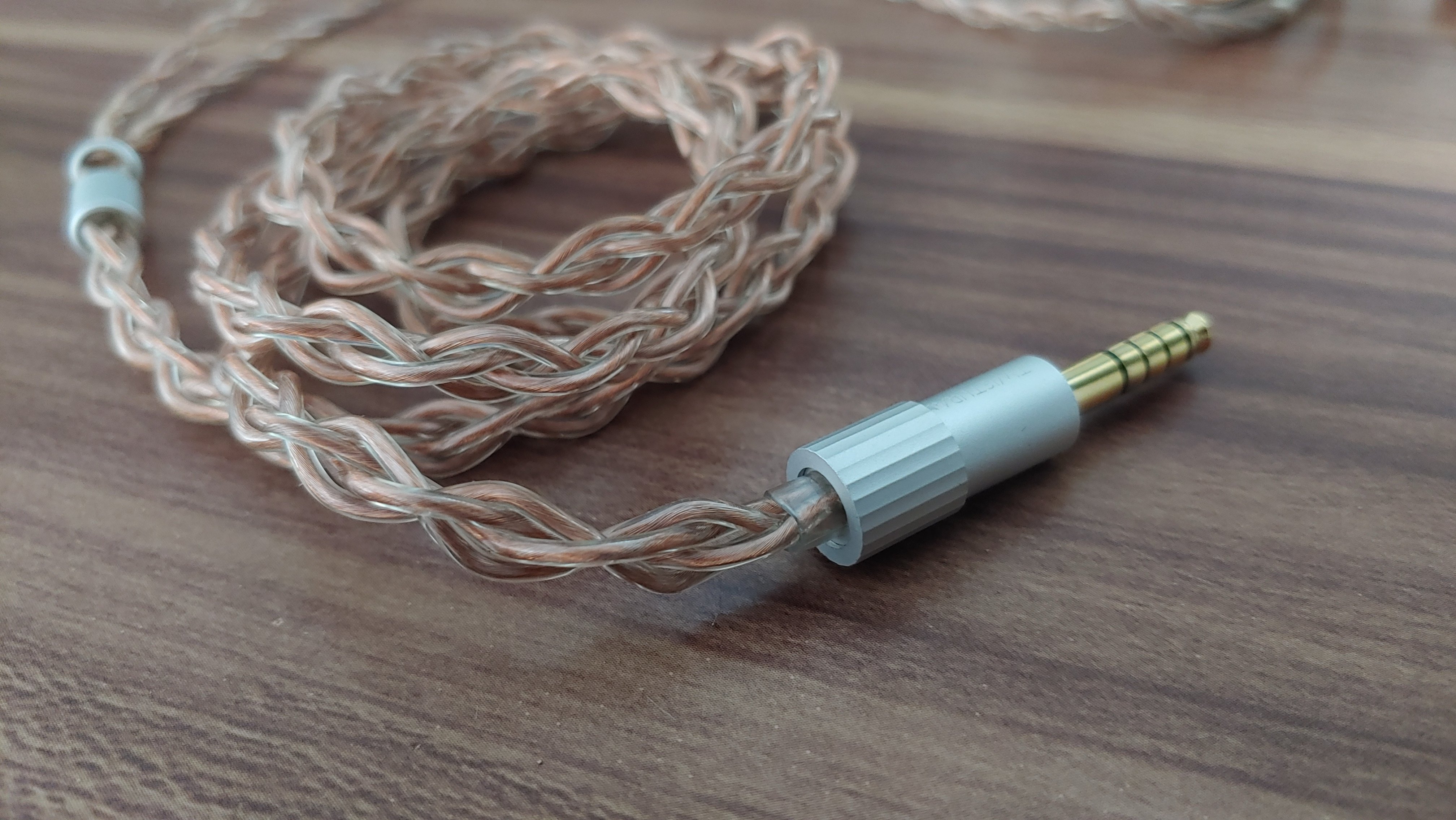
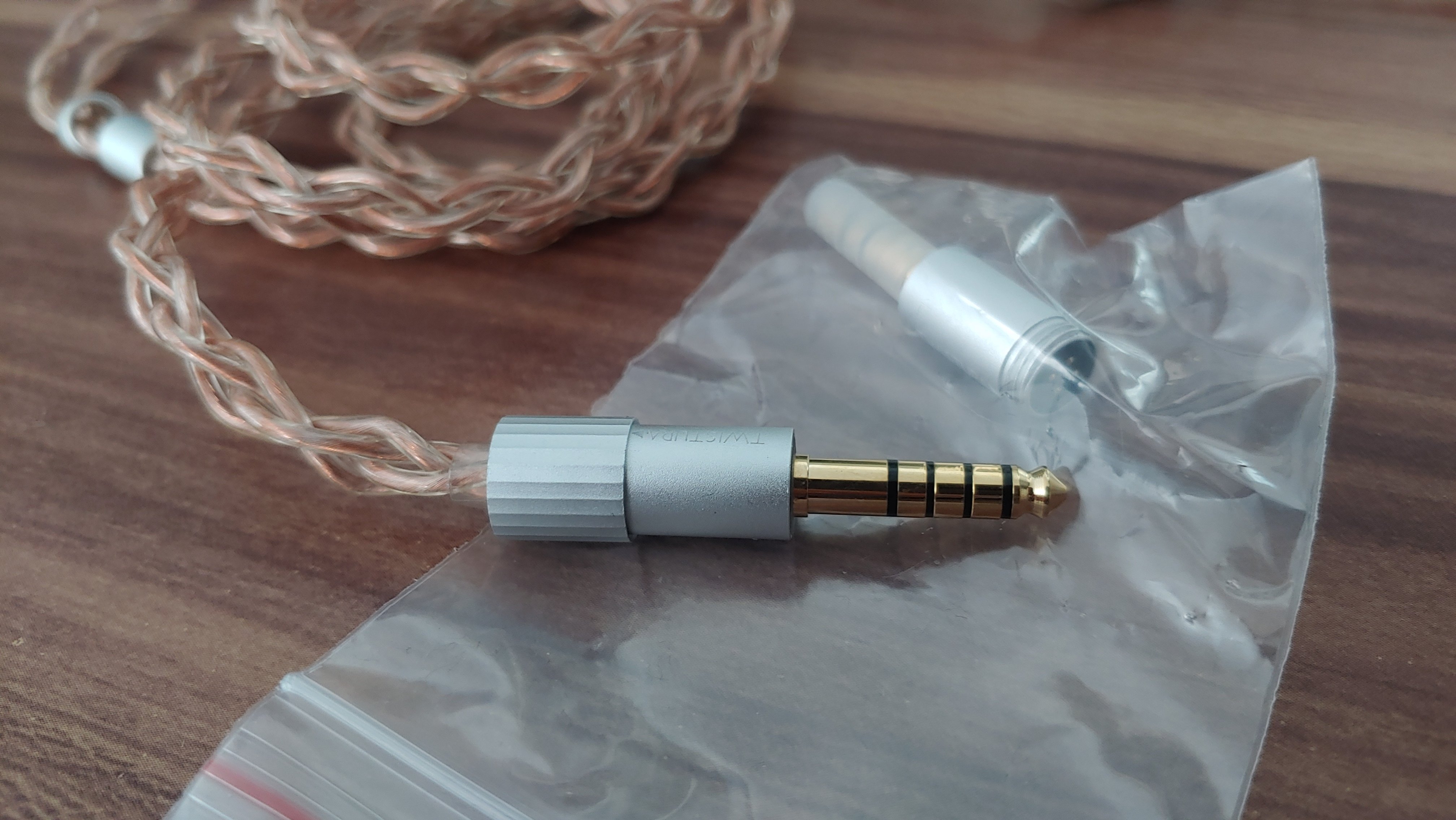
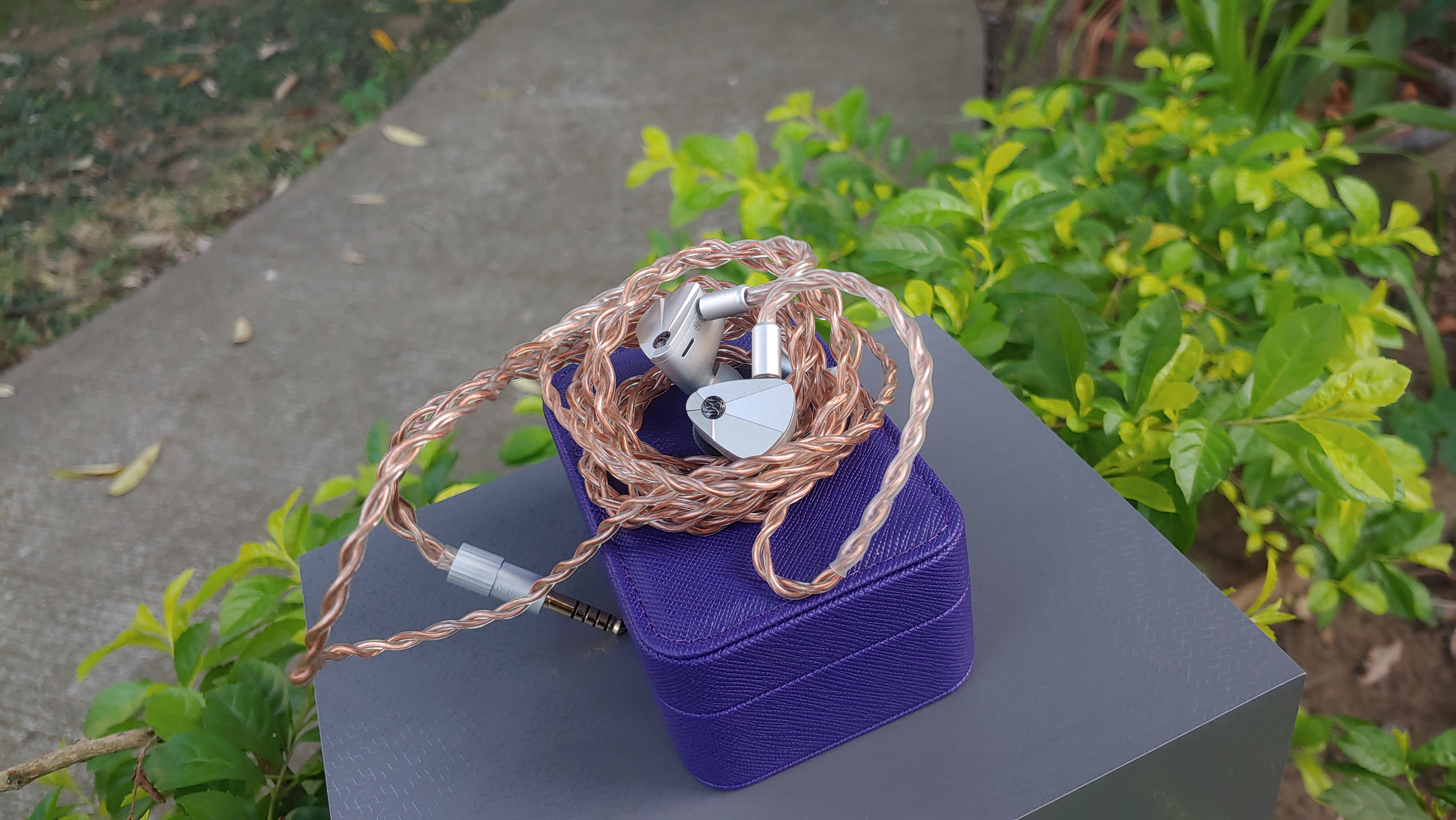
As for its stock cable, it is of a high quality with a firm structure as it is made of thick 4-core high purity oxygen-free copper free cable that were braided for better seamless audio signal transmission for a pure sound fidelity without any interference issues, loss or distortion. Like most of the current stock cable, it integrates a modular termination in which it can be interchanged with other adapter plugs of different input modules for various source requirements.
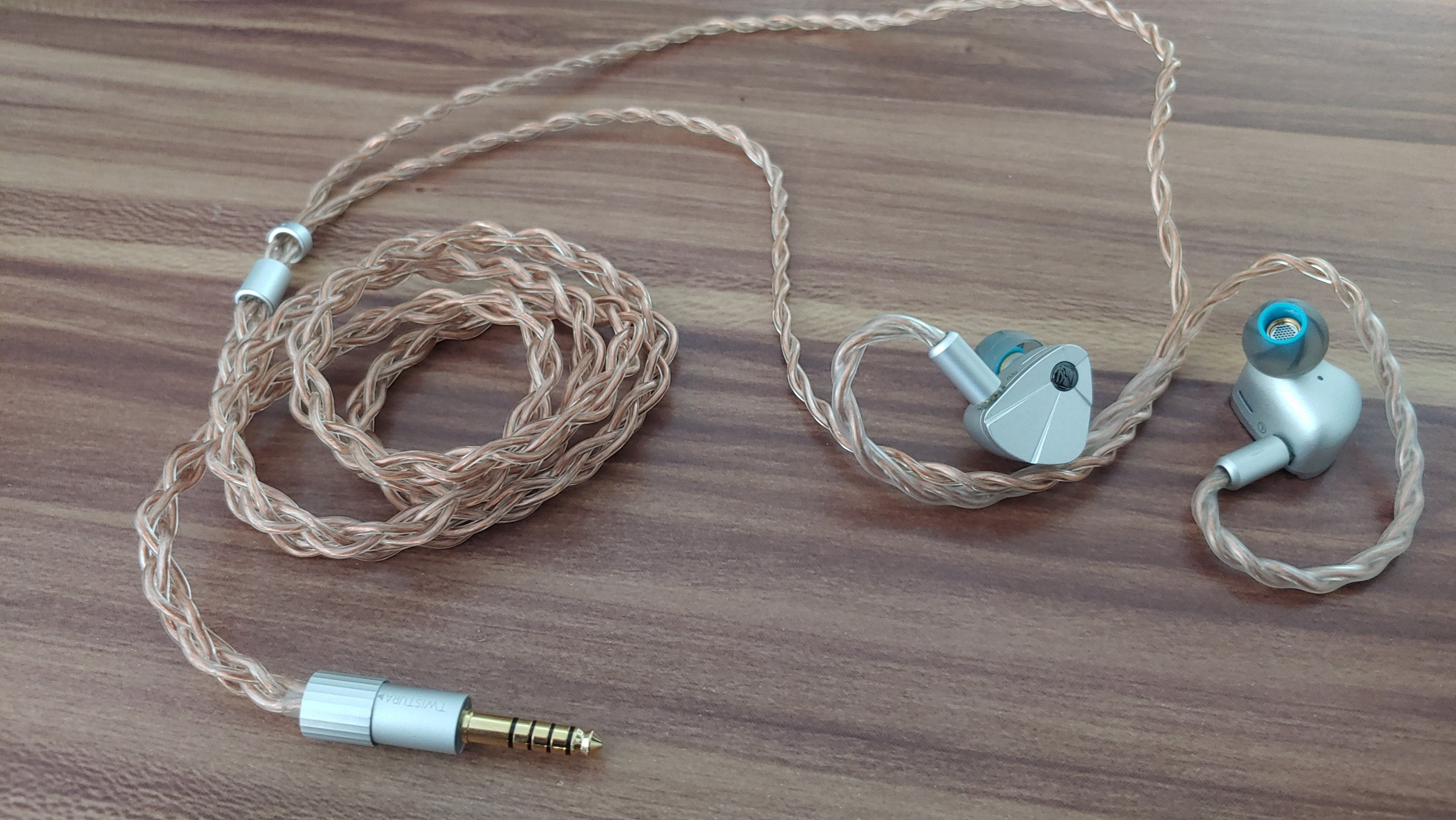
When it comes to wearability, it offers good fitting that I didn't encounter any discomforts or wear fatigue in my lugholes. Depending on the eartip pairing, I used the wide bore one and it securely latches as I was able to have an excellent passive noise isolation that blocks unwanted external noise from the outside.
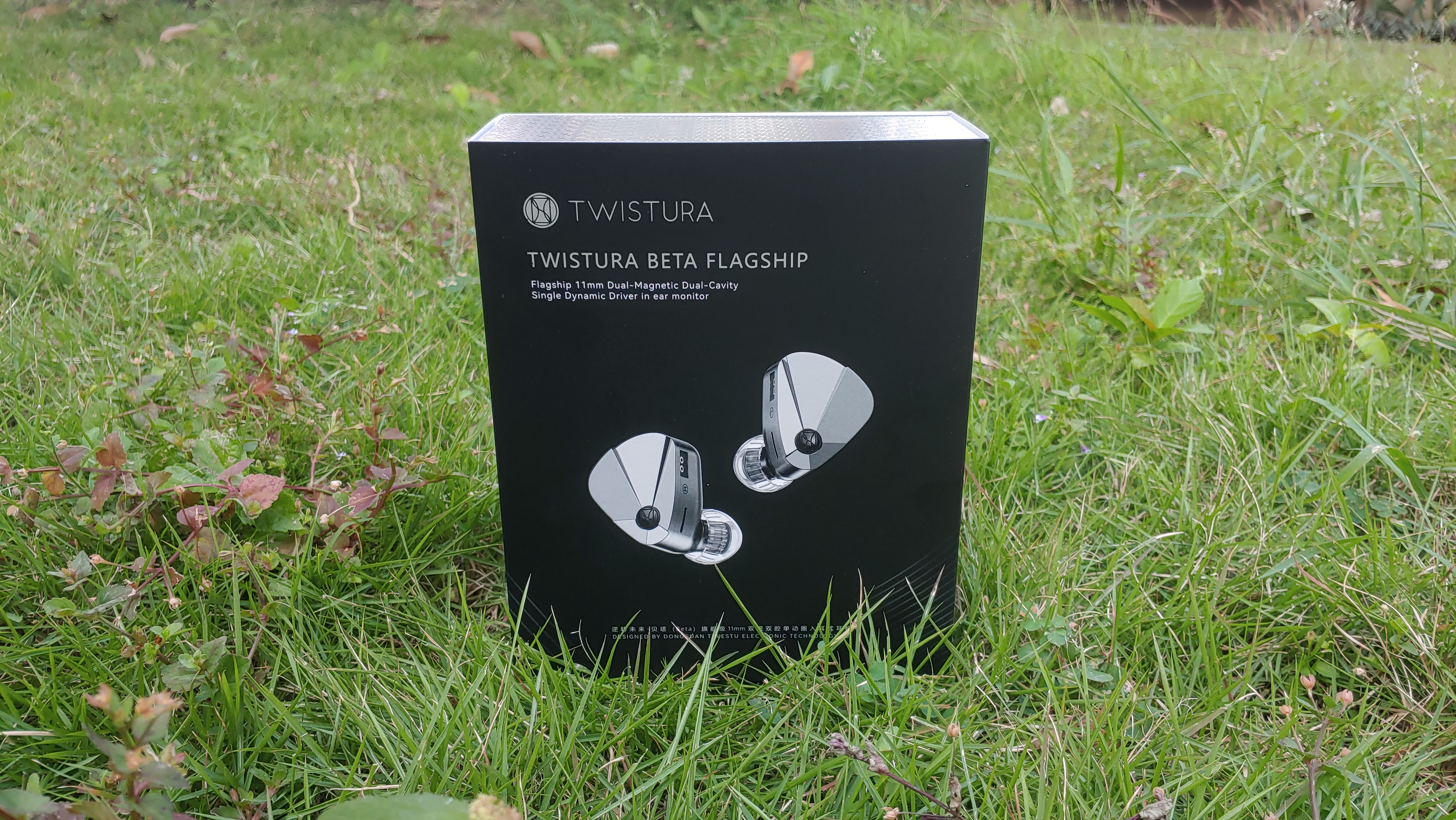
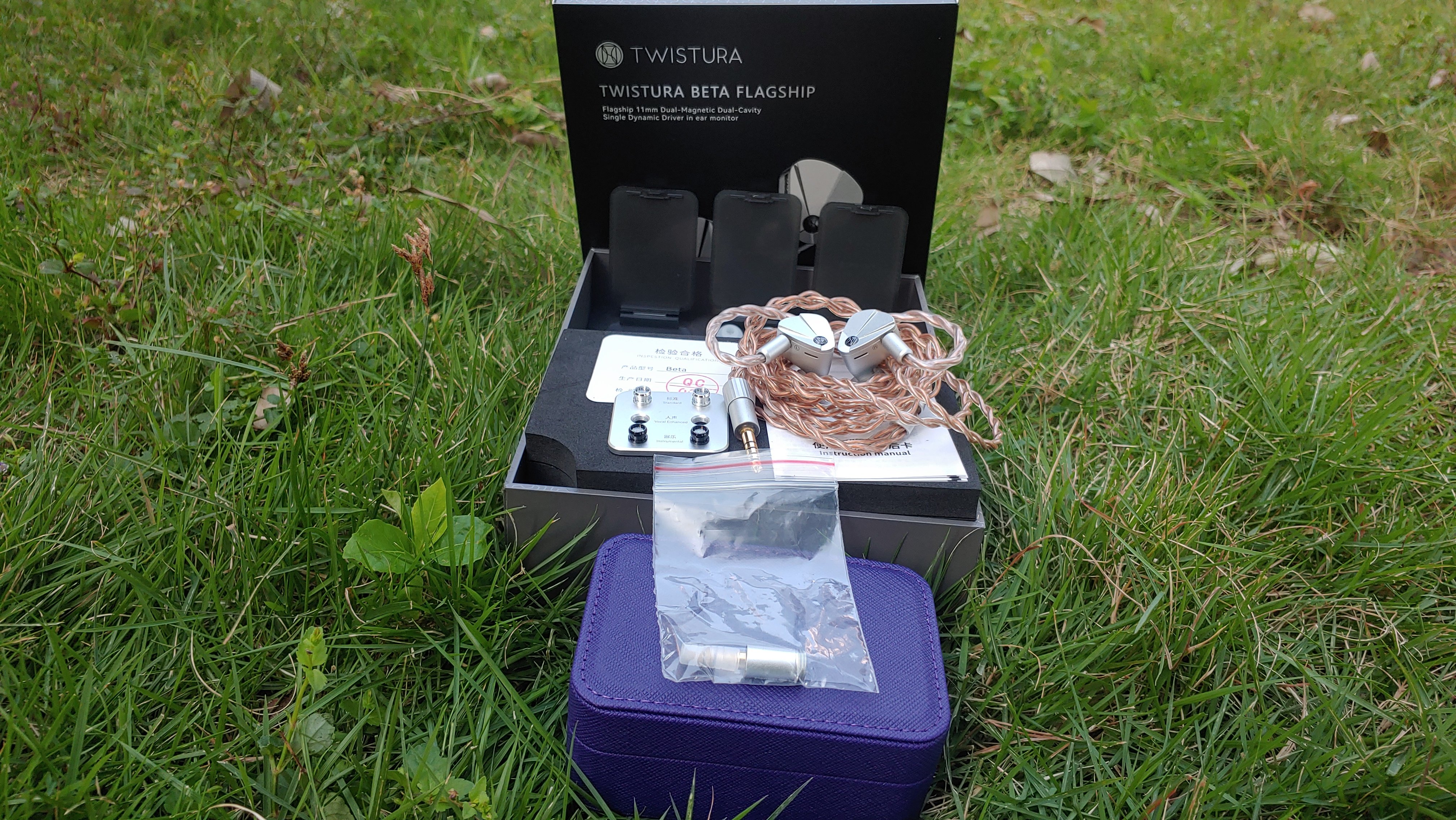
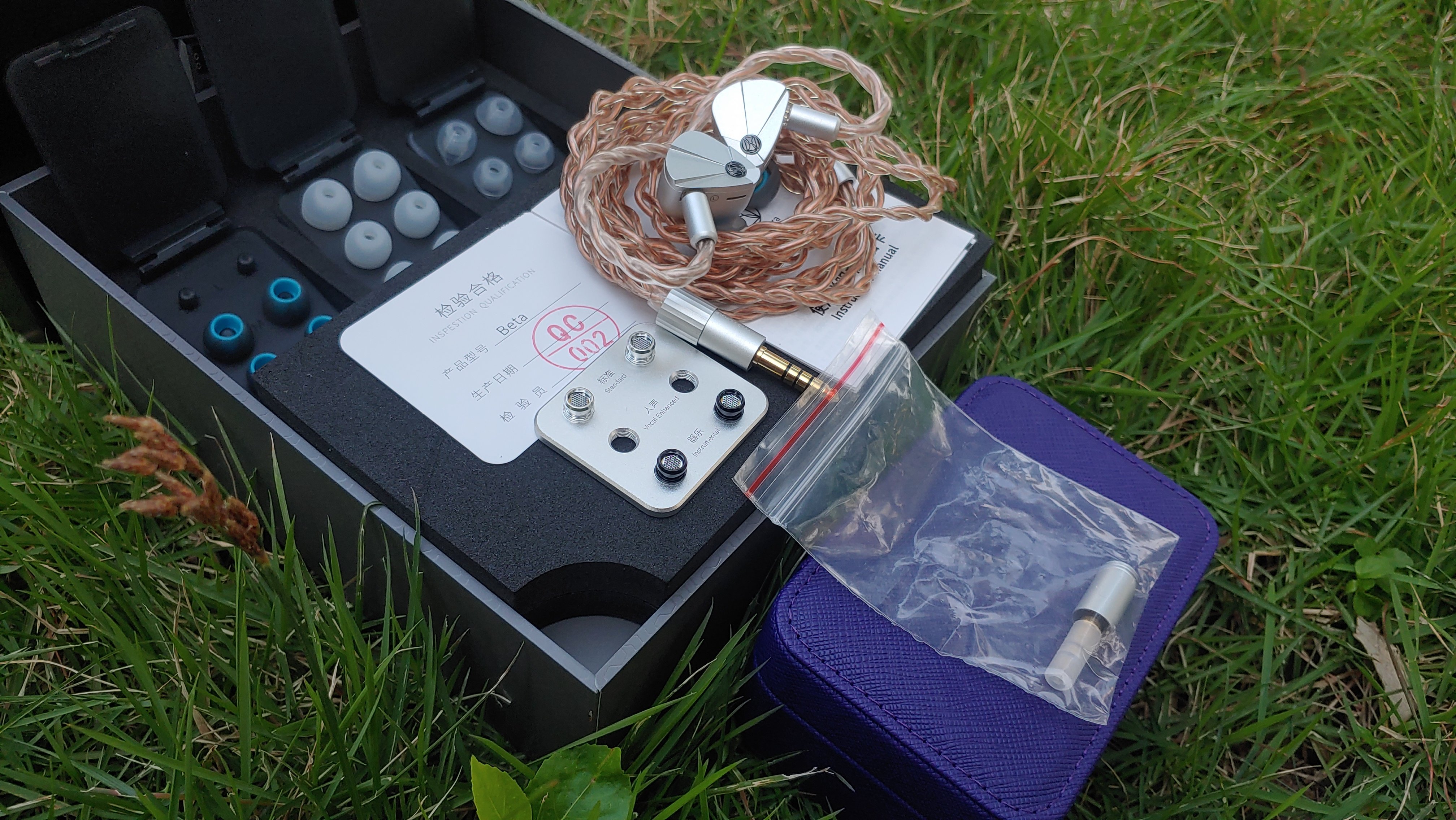
The product packaging of the TWISTURA BETA has a large rectangular box with a cardboard sleeve with an illustration of the IEM along with a printed brand and model name on the front and on its rear, another print of of FR graphs, basic specification of the product and the company’s contact information and its address. Since it was introduced as a flagship model, it was presented in a splendid manner as the inclusions were organised and compartmentalised inside of its packaging box.
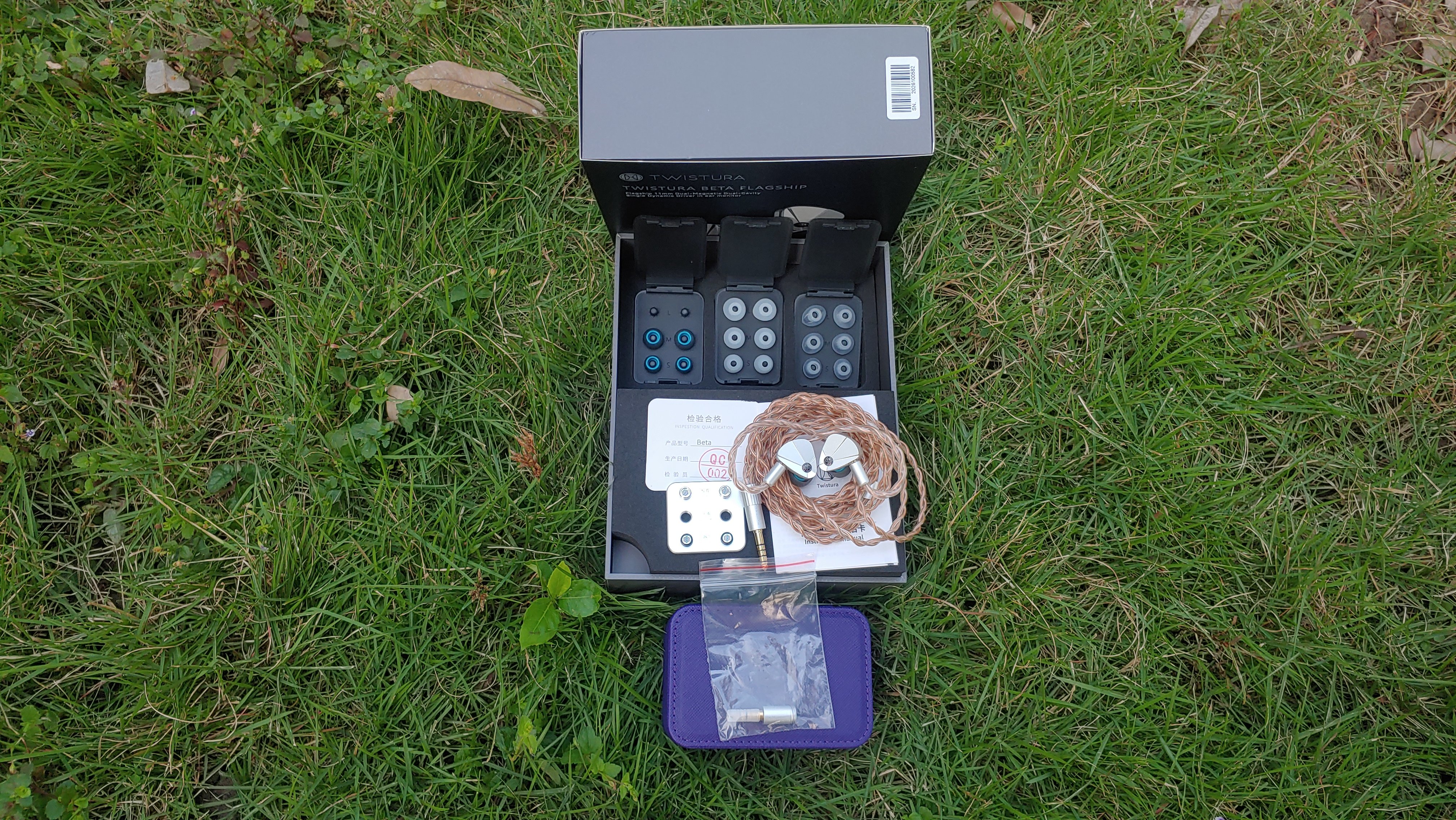
These are the following contents inside of its packaging box:
- Pair of TWISTURA BETA transducer earpieces
- Stock cable with modular termination feature
- 3.5mm single-ended plug adapter
- 4.4mm balanced plug adapter
- Detachable nozzles plate
- Pair of silver colour (standard) tuning filter nozzles
- Pair of black colour (instrumental) tuning filter nozzles
- Pair of gold colour (vocal) tuning filter nozzles
- Carrying case
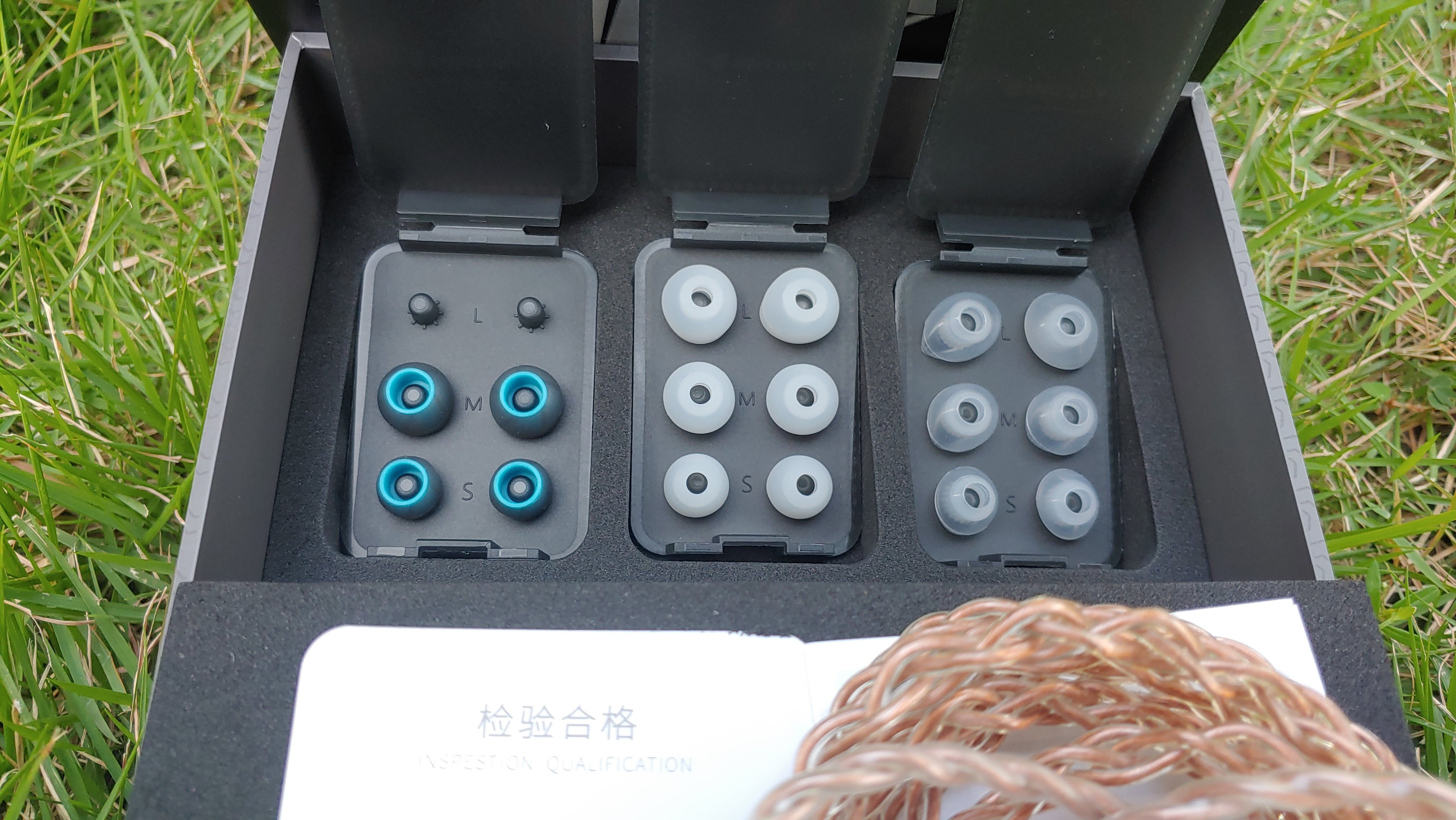
- Three eartips case
- Three (3) narrow bore silicone eartips in different standard sizes
- Three (3) balanced bore liquid silicone eartips in different standard sizes
- Three (3) na wide bore silicone eartips in different standard sizes
- Paperwork like instruction manual, warranty card and quality control stub
As for its driveability, this set is pretty sensitive that it is relatively easy to drive from devices like smartphones, DAPs and portable headphone amplifiers that a standard gain mode of amplification from sources would be enough. With enough power output, it will deliver a sound quality with good dynamics at full range on its overall sonic frequency.
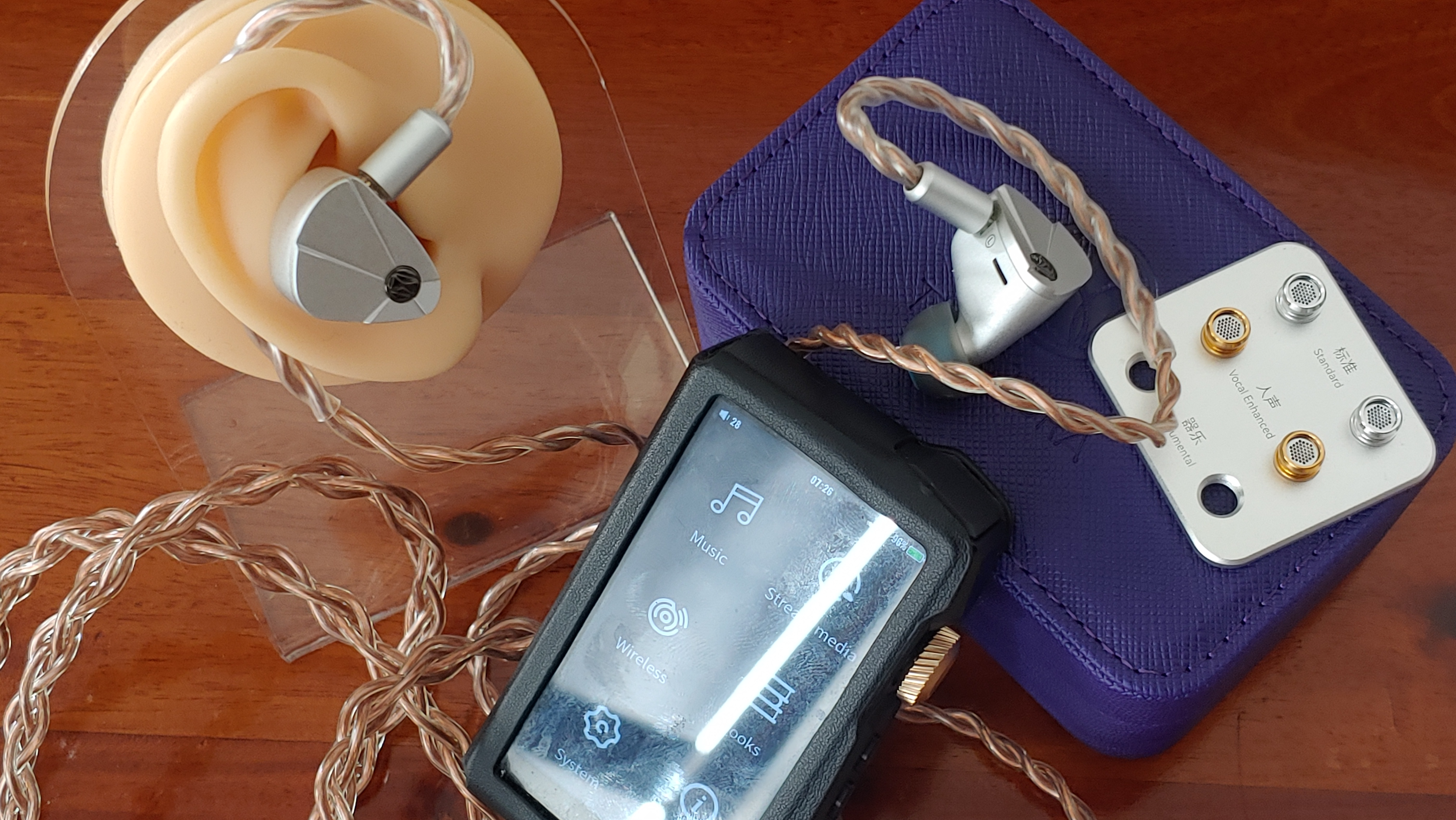
Here are the sound profiles from each corresponding tuning nozzle filter, and will be using QUESTYLE SIGMA and HIDIZS AP80 PRO MAX.
Tracks Tested:
**Fleetwood Mac - Everywhere**
**Stone Temple Pilots - Still Remains**
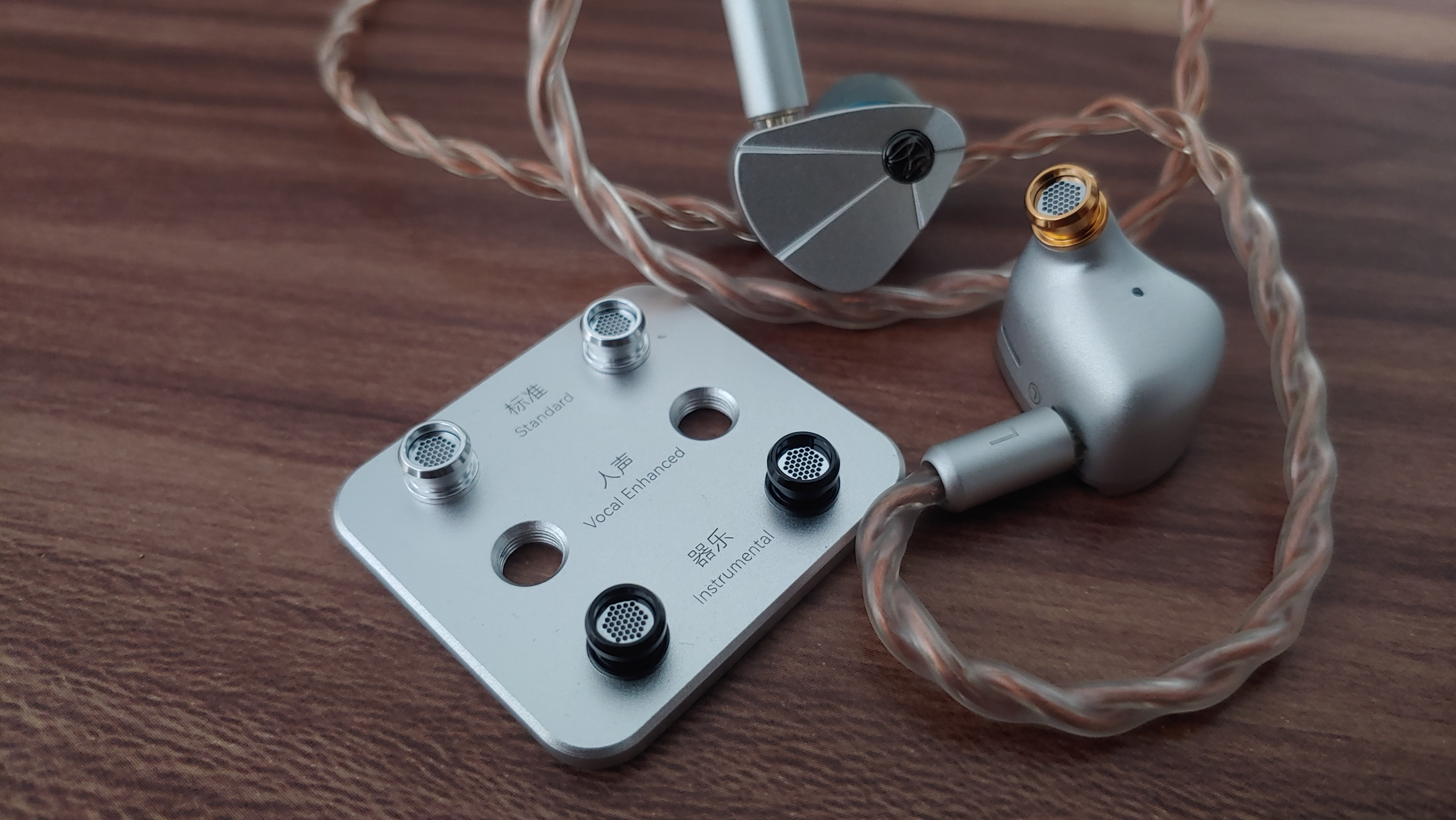
SILVER TUNING NOZZLE:
This tuning filter mode presents more of a “balanced” U-shaped sound signature, it has a balanced bass arrangement as it has adequate depth on its sub bass and enough mid bass texture albeit it has a bit of a hollowed body on it to deliver a tad tighter and rumbly bass. On the “Everywhere” track, the synthesiser that was played by Lindsey Buckingham produces sufficient rumbly and ringing sound while John McVie’s bass guitar lines have that mellow and sustaining sound, and then Mick Fleetwood’s bass kick drum produces precise and thudding sound that will give the overall rhythmic foundation. Meanwhile on the track “Still Remains”, Robert Deleo’s melodic bass guitar lines sound resonant and raspy, and Eric Kreutz’s bass kick drums deliver that sonorous and thudding sound on every stroke.
The midrange is a bit recessed on its overall presentation but it has an ample warmth and energy that will provide sufficient vocal weight on male vocals and then a sense of spaciousness and sheen on female vocals. On its instruments, it gives sufficient impact, crispness, brilliance and power on percussives, strings, woodwinds and brasses. To determine on how the vocals and instruments on the tested tracks, on the “Everywhere”, Christine McVie’s distinctive blues-like contralto vocals (sometimes, she sing in a mezzo-soprano) has a smooth, soothing and smoky although it doesn't have that deep and dense, which is quite in contrast with Stevie Nicks’ mezzo-soprano vocals which provide as a backing vocals has that sultry and velvety quality that in certain parts of the song were there are some vocal sections played in unison to produce those complex well-layered melodic vocal hooks, while on instrumental parts, the piano have that chime-like yet warm sound in tandem with Mick Fleetwood’s drum work on snares and tom-toms which delivers that incisive, warm and resonant sound, and then the guitars provided by Lindsey Buckingham (he was intended a talented multi-instrumentalist) delivers that sustaining and crisp sound on every strumming on its note strings. For a meantime, on the “Still Remains”, Scott Weiland’s baritone vocals known for its crooning and raspy timbre is somewhat a bit different as his vocal register as his voices here has a smooth, tender and soft delivery with enough vocal depth, while the guitar section presented in a well-layered manner in the mix, as Dean Deleo’s guitar lines has a warm and ringing sound, and then on Eric Kreutz’s drumming, a hard and precise sound on snares with the resonant and punchier sound from tom-toms.
The treble of this one has a smooth and clear sound with a modest airy extension. It has a mild elevation between the upper-mids and the presence section that gives some sense of clarity and definition on the attack on the instruments and articulation on vocals. Sibilance was kept under control and there’s not a hint of harshness on it although there are some occasional slight tinny sounds. On the “Everywhere” track, Mick Fleetwood’s cymbals and hi-hats were barely heard in the right channel on its mixing but they somehow sound undulating and tight respectively. As for the “Still Remains” track, Eric Kreutz’ consistent melodic pulse-driven cymbals and hi-hats strikes have these lustrous and ringing resonance sounds on them.
BLACK TUNING NOZZLE:
Apparently that tuning filter mode set-up presents a U-shaped sound signature albeit that it has a warmer tonality, it still retains that balanced bass response as it has enough depth on its sub bass presence but it has a bit less mid bass texture with a bit hollowed body as it still delivers a tighter, incisive and rumbly bass. On bassline part on the “Everywhere” track, the synthesiser that was played by Lindsey Buckingham produces sufficient rumbly and sustaining sound in support of John McVie’s bass guitar lines have that mellow and resonant sound, and then Mick Fleetwood’s bass kick drum produces precise and eerie sound that will give the overall rhythmic foundation. As for the track “Still Remains”, Robert Deleo’s melodic bass guitar lines still have those resonant and raspy although a bit more sustaining as it gives that overall track’s foundational melody in support with Eric Kreutz’s bass kick drums as it delivers that sonorous and thudding sound on every beat.
Still, the midrange is a bit recessed on its overall presentation but it has a sufficient warmth but it has a tad more energy compared to SILVER TUNING NOZZLE mode that is still provide an adequate vocal weight on male vocals and then a sense of extension and shimmer on female vocals. As for its instrument sections, the strings and woodwinds seem to have a brighter, crisper and airier sound. On how the vocals and instruments on the tested tracks sound like on this tuning filter nozzle, when it comes to the “Everywhere” track, the bluesy and soulful of Christine McVie’s voice has a smooth, pure and smoky although it doesn't still doesn't have that depth and strength, which is on pair with Stevie Nicks’ mezzo-soprano vocals that serves as a backing voice has that coppery and ethereal-like sound that were played in unison to produce those complex well-layered melodic vocal hooks, and on instrumental section, the piano have that chime-y and shimmering sound in tandem with the guitar lines done by Lindsey Buckingham as it delivers that sustaining, penetrating and crisp sound on every strumming on its note strings along with Mick Fleetwood’s drum work on snares and tom-toms which delivers that incisive, warm and resonant sound, and. As for the “Still Remains” track, Scott Weiland’s crooning baritone vocals known for its grungy and raspy timbre is somewhat a bit different as his voices has that raspy and emotional with enough vocal depth, while Dean Deleo’s guitar works have those a crisp and lingering sound, and then on Eric Kreutz’s drumming, a hard and rumbly sound on snares with the resonant, dry and a bit less punchier sound from tom-toms.
The treble quality of this one has a brighter, clearer sound with a modest airy extension. It has more accentuated parts between the upper-mids and the presence section that gives more clarity and definition on the sharper attack on the instruments and edgy articulation on vocals. The sibilance was still kept under control and it does not have any stridency although there are some occasional slight tinniness and a bit piercing sounds. On the “Everywhere” track, Mick Fleetwood’s cymbals and hi-hats were barely heard in the right channel on its mixing but they somehow sound brilliant and dry respectively. As for the “Still Remains” track, Eric Kreutz’ consistent melodic pulse-driven cymbals and hi-hats strikes have these glistening and crisp sounds.
GOLD TUNING NOZZLE:
This tuning filter mode setting probably has more colouration while it still presents a U-shaped sound signature but it has the brightest sounding among the three tuning profile settings. The bass quality of this one has an adequate sub bass presence but it seems that it has more textured mid bass among the three tuning profile settings as it delivers a striking and tactile bass response. As for its bassline parts “Everywhere” track, the synthesiser that was played by Lindsey Buckingham produces sufficient rumbly, punchy and sustaining sound in tandem with John McVie’s bass guitar lines have that broader and resonant sound, and then Mick Fleetwood’s bass kick drum produces a pounding and sonorous sound on every beat as it will give the overall melodic and rhythmic foundation. On the track “Still Remains”, Robert Deleo’s bass guitar sound still has those resonant and raspy lines although it lingers a bit more, while Eric Kreutz’s bass kick drums as it delivers that sonorous and full sound on every stroke of its drumhead.
The midrange is a bit recessed on its overall presentation but it has a sufficient warmth but it has a tad more energy compared to SILVER TUNING NOZZLE and even BLACK TUNING NOZZLE as it still provides an adequate vocal weight on male vocals but it has an expansive and brighter on female vocals. Regarding its instrumental parts, the most noticeable observation that I've heard is that the strings and woodwinds seem to have a more airier presence as it has a crisper and vibrant sound compared to the other two tuning nozzle settings. As on how the vocals and instruments on the tested tracks sound like on this setting, on “Everywhere” track, the bluesy voice of Christine McVie’s voice has a smooth, pure and smoky albeit a bit brighter, which is on pair with Stevie Nicks’ mezzo-soprano vocals that serves as a backing vocalist, has a fiery and expressive sound that they complements well as it played in unison to produce a well-layered complex vocal hooks on its melodic structure, while on its instrumental section, the piano have that richer, bell-like and shimmering sound, along with the guitar lines done by Lindsey Buckingham as it delivers that sustaining, penetrating and crisp sound on every strumming on its note strings, and then on Mick Fleetwood’s drum work on snares and tom-toms which delivers that incisive, warm and resonant sound, and. As for the “Still Remains” track, Scott Weiland’s crooning baritone vocals known for its grungy and raspy timbre is somewhat a bit different as his voices has that rich, raspy and emotional with enough vocal depth, while Dean Deleo’s guitar works have those a warm and sustaining sound, and then on Eric Kreutz’s drumming, a hard and rumbly sound on snares with the resonant, dry and a bit less punchier sound from tom-toms.
As for its treble response, this one seems to have a brighter sound with more livelier sound but its airy extension is still modest in my opinion. It has a more noticeable elevated part between the upper-mids and the presence section that gives more clarity and definition on the sharper attack on the instruments and edgy articulation on vocals. The sibilance was still kept under control and it does although there are some instances of metallic, shrill and piercing sounds. On the “Everywhere” track, Mick Fleetwood’s cymbals and hi-hats were barely heard in the right channel on its mixing but they somehow sound brilliant and dry respectively. As for the “Still Remains” track, Eric Kreutz’ consistent melodic pulse-driven cymbals and hi-hats strikes have these glistening and crisp sounds.
SOUNDSTAGE, IMAGING & OTHER TECHNICALITIES:
On any tuning nozzle settings, it seems that this set can project an above average soundstage size as it has a moderate wideness on its lateral span, good height and excellent depth from front to back on its spatial cues. As for its imaging aspect, it also presents a concave-like stereo presentation fairly layered on its soundscape and good separation of musical elements in which I can locate their placement in an acoustic landscape although not the most accurate one that I’ve heard from a dynamic driver.
As expected from one of the latest breakthroughs of dynamic driver technology, it has an excellent driver performance in terms of coherency as on how pretty responsive its transient speed on bass attack and also a respectable clarity and detail on vocals and instruments. On its resolution capabilities, it has a firm macrodynamics which is able to differentiate the varying degree of its volume dynamics from quietest part up to the loudest level on the chorale lines and instrumental section, while the microdynamic of this one apparently a bit soft and blunted on its definition but enough retrieve some fine details and other nuances like vocal delays, instrumental reverb tails and note textures.
PEER COMPARISON:
SIVGA QUE UTG
- Probably one of the first IEMs that utilises this type of dynamic technology, and like the BETA, it has a single driver set-up and they are in the same price range.
- This set also features an ultra thin glass diaphragm on its dynamic driver and like most SIVGA models, it has a composite shell chassis made of metal alloy and wood panel with a more compact size compared to the BETA.
- It is fully-packed with accessories inside of its packaging box like different types of ear tips, a leather case and a stock cable with modular termination feature.
- Since it doesn't have a detachable tuning nozzle feature just the BETA, it only offers a sound signature which is a bright U-shaped sound as it has tighter yet rumbly bass response, a bit recessed midrange but it has some clean and transparency on it as it has enough warmth with more energetic presence which is crucial for tracking on some female vocals and instrument-types like woodwinds and strings as they sound accurately with almost correct timbre, and then, a brilliant and airy treble response that shows the capabilities of this new driver technology.
- As for its technical capabilities, it projects a wider and a more roomy soundstage with a concave-like stereo imaging, but compared to the BETA, it has a sharper definition on its microdynamics as it can retrieve more details and other subtleties from its sonic background.
My final verdict on this product that it really simply good for its asking price that it has solid build quality that TWISTURA uses an excellent material on its shell structure known for its wear and tear resistance for better longevity, a detachable tuning filter nozzles that offers three sound profiles, a high quality stock cable with modular termination feature and other quality inclusions like eartips and storage case. Sound quality-wise, while it is quite a bit coloured in my liking as I am a neutral-headed type of an audio enthusiast but if you are looking for a fun, engaging and lively sound quality that aligns with your musical listening preferences, no doubt that this set is suitable for your listening session.
TWISTURA BETA is now available on TWISTURA’s online store on their official site, check out the link below if you are interested in this product.
LINK:
https://twistura.com/products/beta-flagship-11mm-glass-diaphragm-dynamic-wired-earphone
SPECIFICATION:
MODEL: TWISTURA BETA
IMPEDANCE: 32Ω
SENSITIVITY: 104dB
FREQUENCY RESPONSE: 10Hz – 20KHz
CABLE LENGTH: 1.2m
PIN TYPE: 0.78mm 2-PIN CONNECTOR
PLUG TYPE: (MODULAR) 3.5mm, 4.4mm
DRIVER UNIT(S): (1) DYNAMIC DRIVER
PROS:
● All aluminium alloy built on its shell frame for better structural integrity.
● Detachable tuning filter nozzle to switch on different tuning styles.
● Three tuning formats to choose from according to your tonal preference.
● The product packaging of this one is fully packed with a quantitative amount of inclusions.
● Modular termination on its stock cable.
● More choices on different types of eartips are included inside of its packaging box.
● Pretty sensitive therefore easy to drive.
● Fun and coloured tonality for casual listeners.
● Punchy and impactful bass response. (Black & Gold tuning nozzle)
● Incisive and rumbly bass response. (Silver tuning nozzle)
● Clean and transparent midrange presentation with ample warmth and energy.
● Vibrant, crisper and energetic sound on vocals and instruments (Gold tuning nozzle)
● Rich and smooth male vocals, clear and vivid female vocals.
● Lustre and smooth treble response. (Silver tuning nozzle)
● Bright and lively treble response. (Gold tuning nozzle)
● Competent technical capabilities.
CONS:
● Too coloured sounding for neutralheads.
● Still a bit hollow and less texture on its midbass (Silver tuning nozzle)
● Modest airy extension.
● There are some sharp edges on its shell that I got some minor cut in my finger during tuning filter nozzle switching.
● Somewhat a bit sterile and dry sound, particularly if you are into an analogue-type of tuning. (Gold and Black tuning nozzle)
● Instances of piercing, tinny and a tad shrill-y sound. (Mostly on Gold tuning nozzle)
● Apparently its microdynamics are somewhat a bit blunted and soft on its definition.
TRACKS TESTED: ( * = 16-bit FLAC, ** = 24-bit FLAC, *'* = MQA, '*' = DSD, *'= .WAV)
Alison Krauss -When You Say Nothing At All *
Jade Wiedlin - Blue Kiss**
Led Zeppelin - When The Levee Breaks **
Mountain - Mississippi Queen *
Queen - Killer Queen **
Guns N' Roses - Patience *'*
Eric Clapton - Tears in Heaven '*'
Sergio Mendes- Never Gonna Let You Go '*'
Pearl Jam - Daughter **
Roselia - Hidamari Rhodonite *
Assassin - Fight (To Stop The Tyranny)*
Celtic Frost- Visual Aggression *
New Order - Blue Monday *
The Corrs- What Can I do (unplugged version) *
Jimi Hendrix Experience - Voodoo Child *
The Madness- Buggy Trousers *
Metallica - Motorbreath **
Mariah Carey- Always Be My Baby *
Destiny's Child - Say My Name *
Malice Mizer- Au Revoir *
Mozart - Lacrimosa *
New York Philharmonic Orchestra - Dvorak- Symphony 9 " From the New World." *
Eva Cassidy - Fields of Gold (Sting cover)*
Michael Jackson - Give In To Me *
Exciter - Violence and Force *
Diana Krall - Stop This World **
Debbie Gibson - Foolish Beat *'*
The Sisters of Mercy – Lucretia My Reflection**
Suzanne Vega – Luka **
Lauren Christy – Steep *
Ottoman Mehter - Hucum Marsi *
Diana Damrau - Mozart: Die Zauberflöte*
Type O Negative - Black No.1 *
Felix Ayo - Vivaldi: Presto **
Three Tenors - Nessum Dorma *
Mercyful Fate - Witches' Dance *
P.S.
I am not affiliated to TWISTURA nor receive monetary incentives and financial gains as they provide me a review unit for an exchange of factual and sincere feedback from yours truly.
Once again, I would like to send my gratitude to the TWISTURA REP for providing this review unit. I truly appreciate their generosity and trust towards me and other reviewers.

Comments
Post a Comment