HIDIZS AP30 MUSIC BOY: A Definition of Compactness
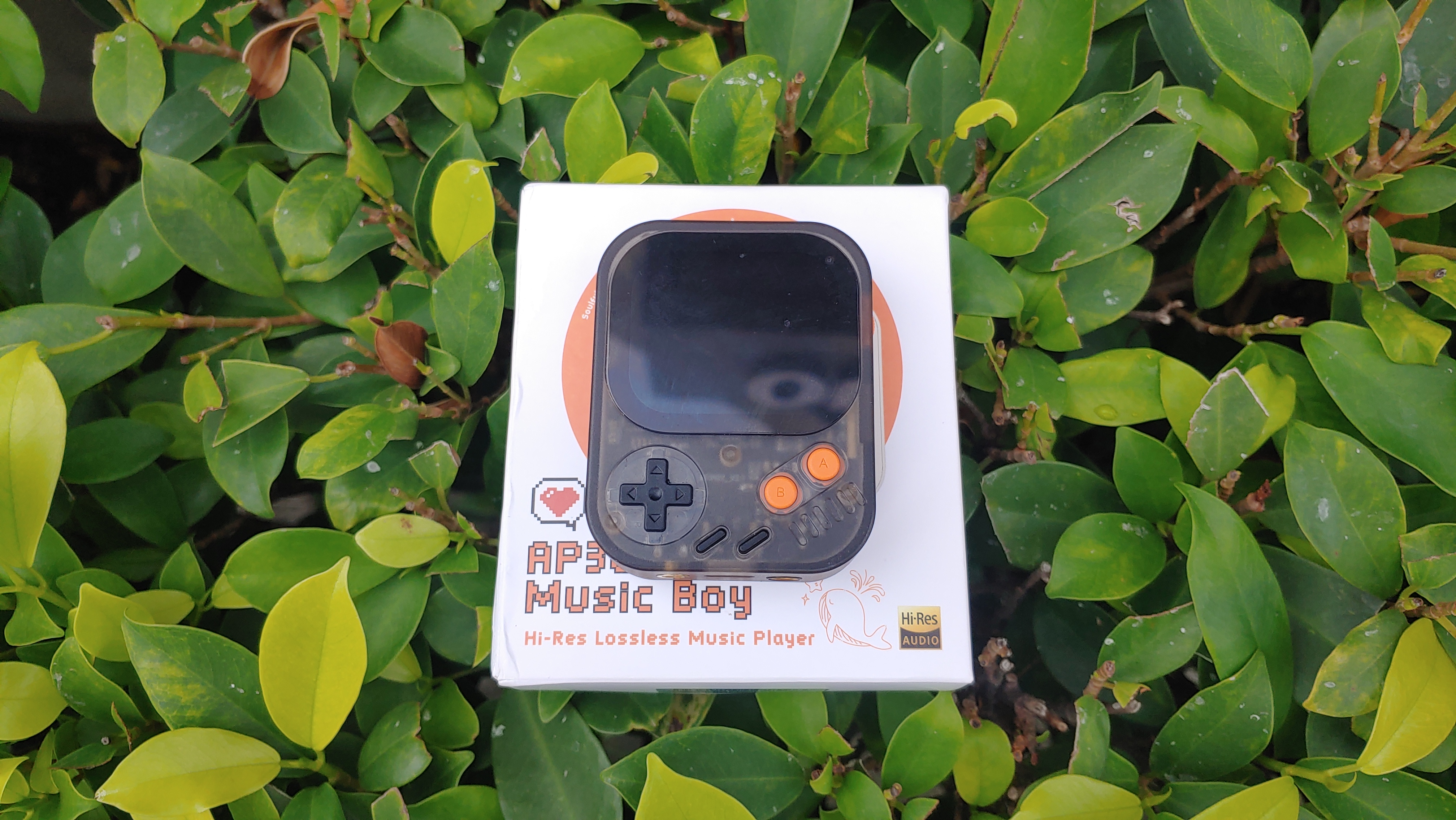
The first electronic portable game console was actually introduced around 1970’s and it was Mattel’s Auto Race, but it was Nintendo that revolutionised the handheld game consoles in the 1980s, the Game & Watch series, and its most influential successor, the Game Boy that truly defines this part of the consumer electronic segment. And HIDIZS just released their latest, affordable digital audio player that was heavily inspired by the Game Boy’s aesthetics with a more compact profile and this is also another product collaborative project with WDC (Whale & Dolphin Conservation) that they also have a strong commitment to protect these magnificent marine creatures for the future generations as they are the bio-engineers that maintains a balanced , healthy and productivity in the marine biome while they also drive nutrient development to other lifeforms in the ocean through their feces.
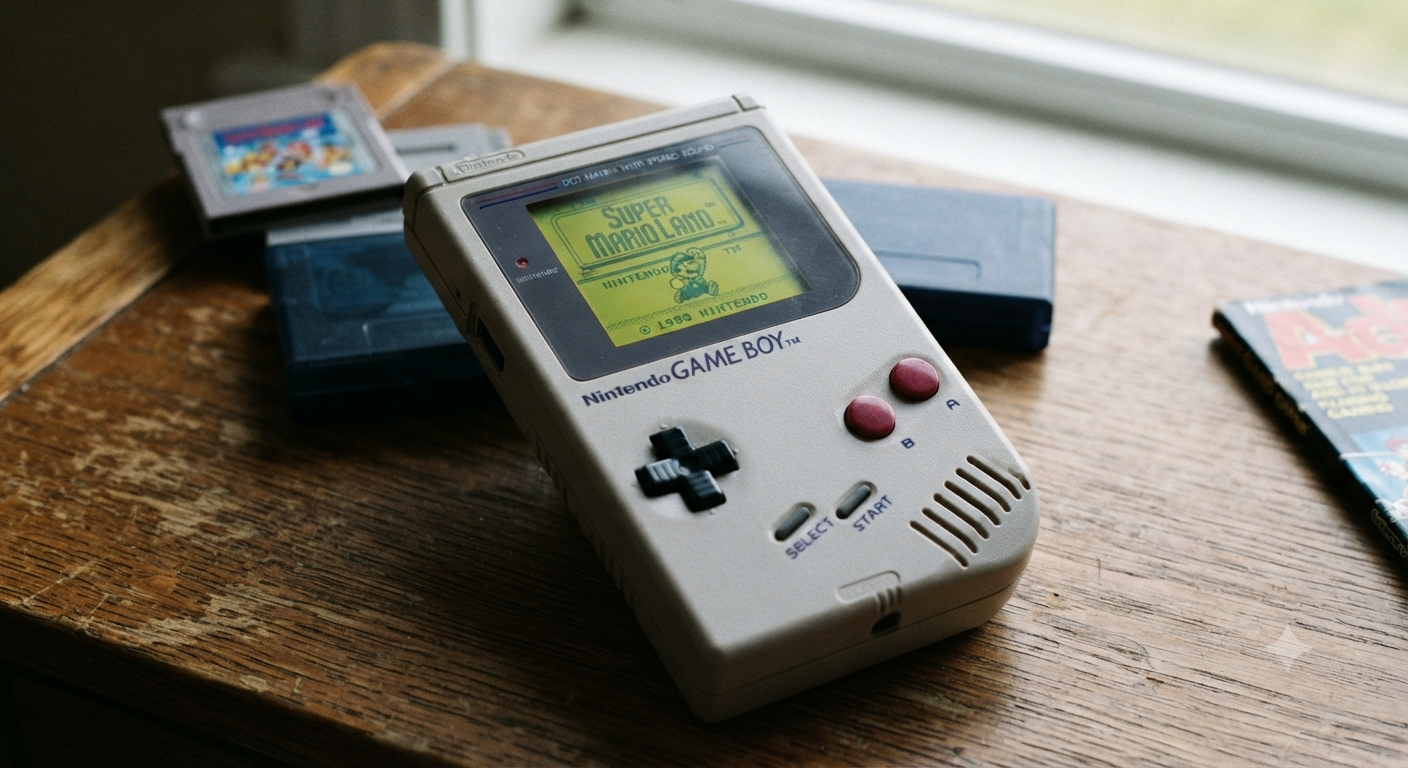
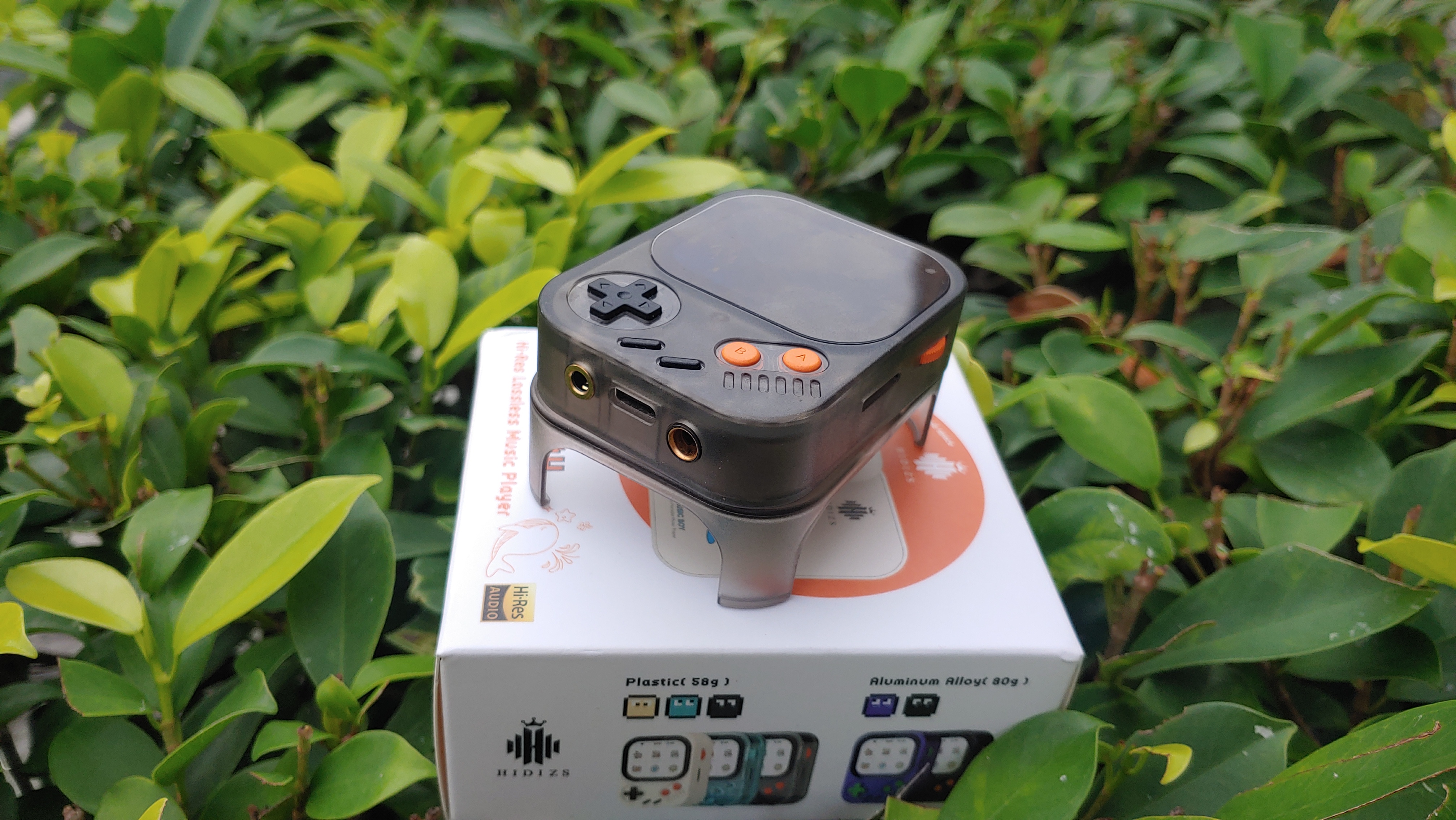
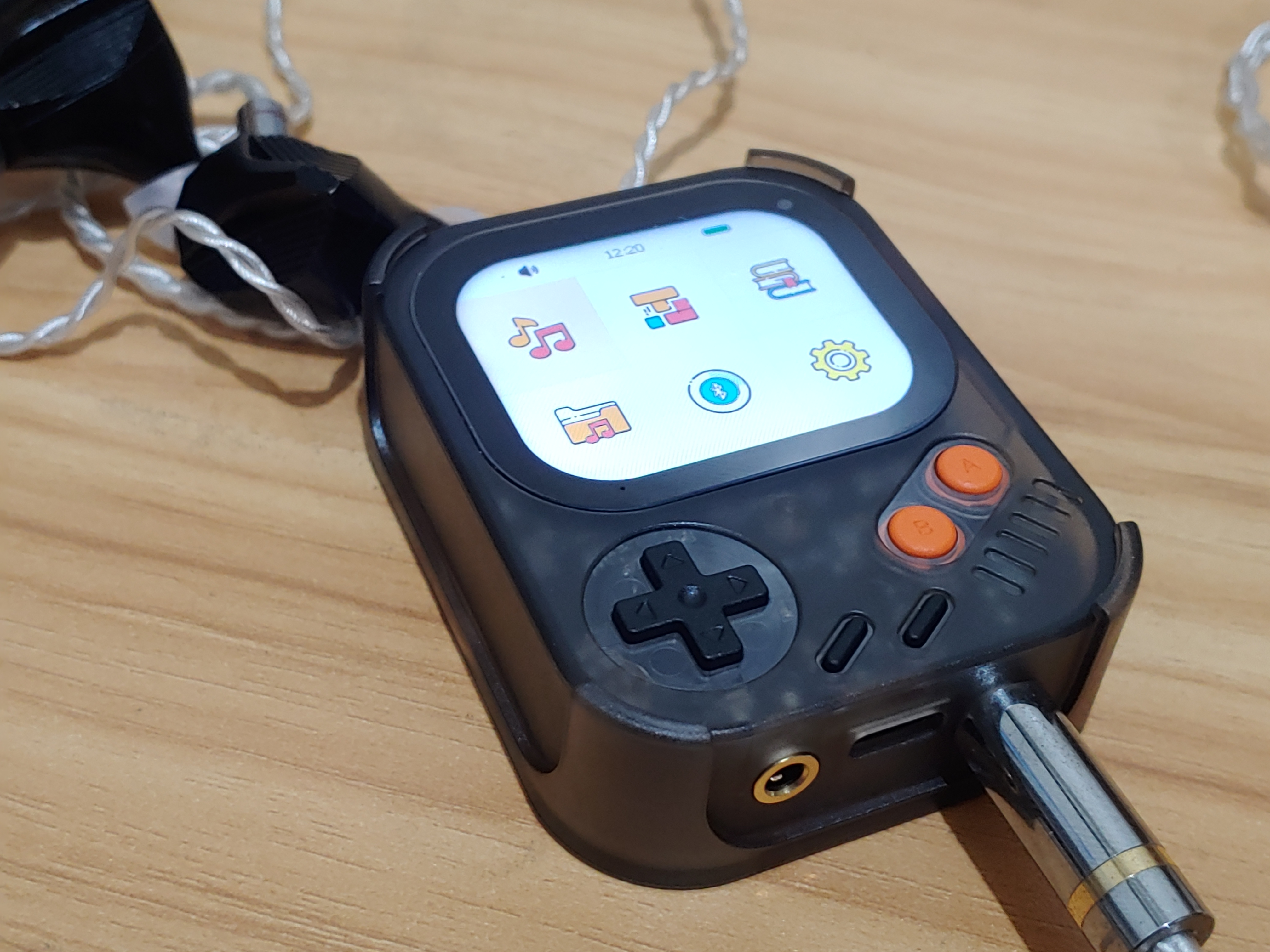
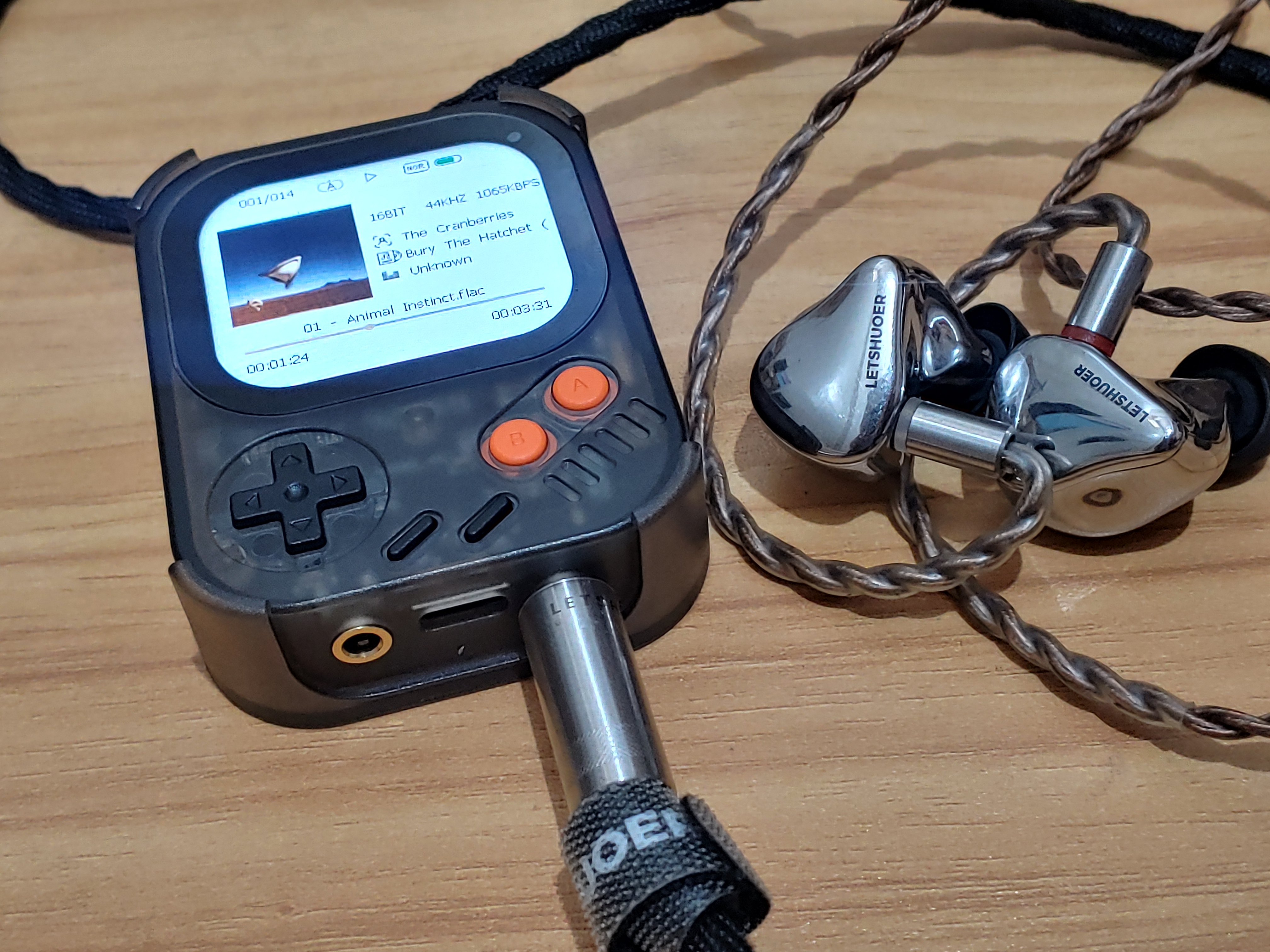
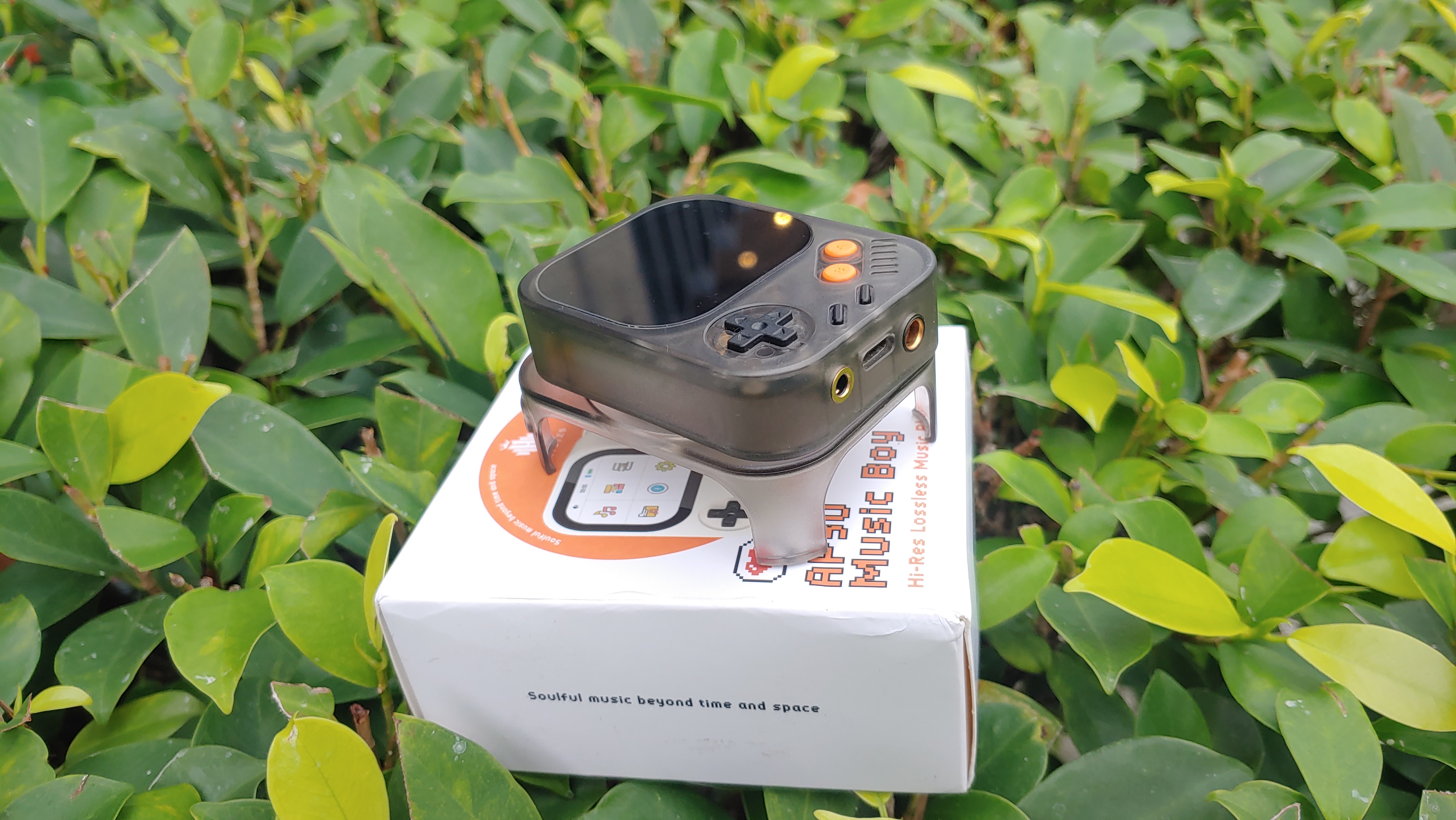
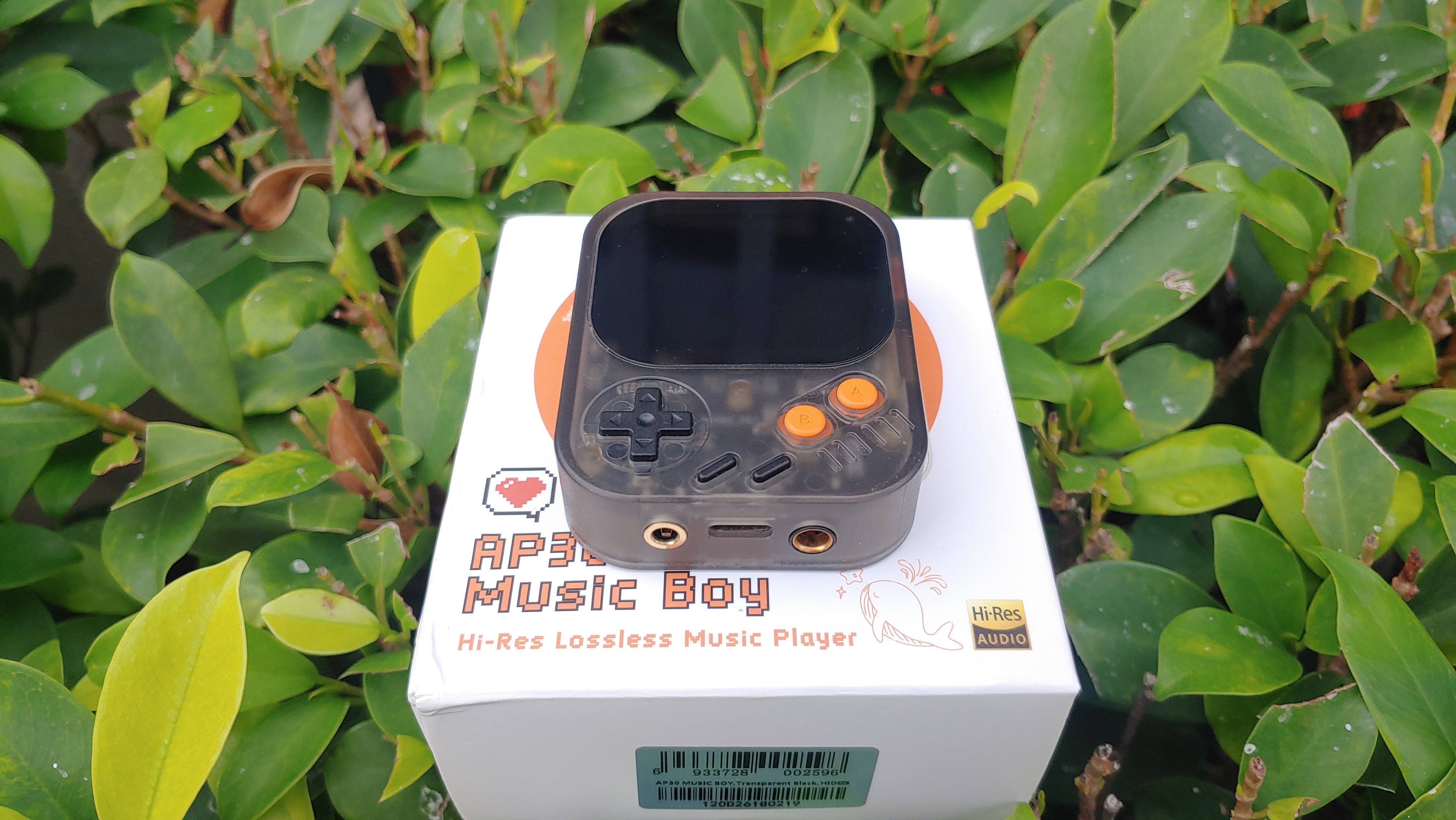
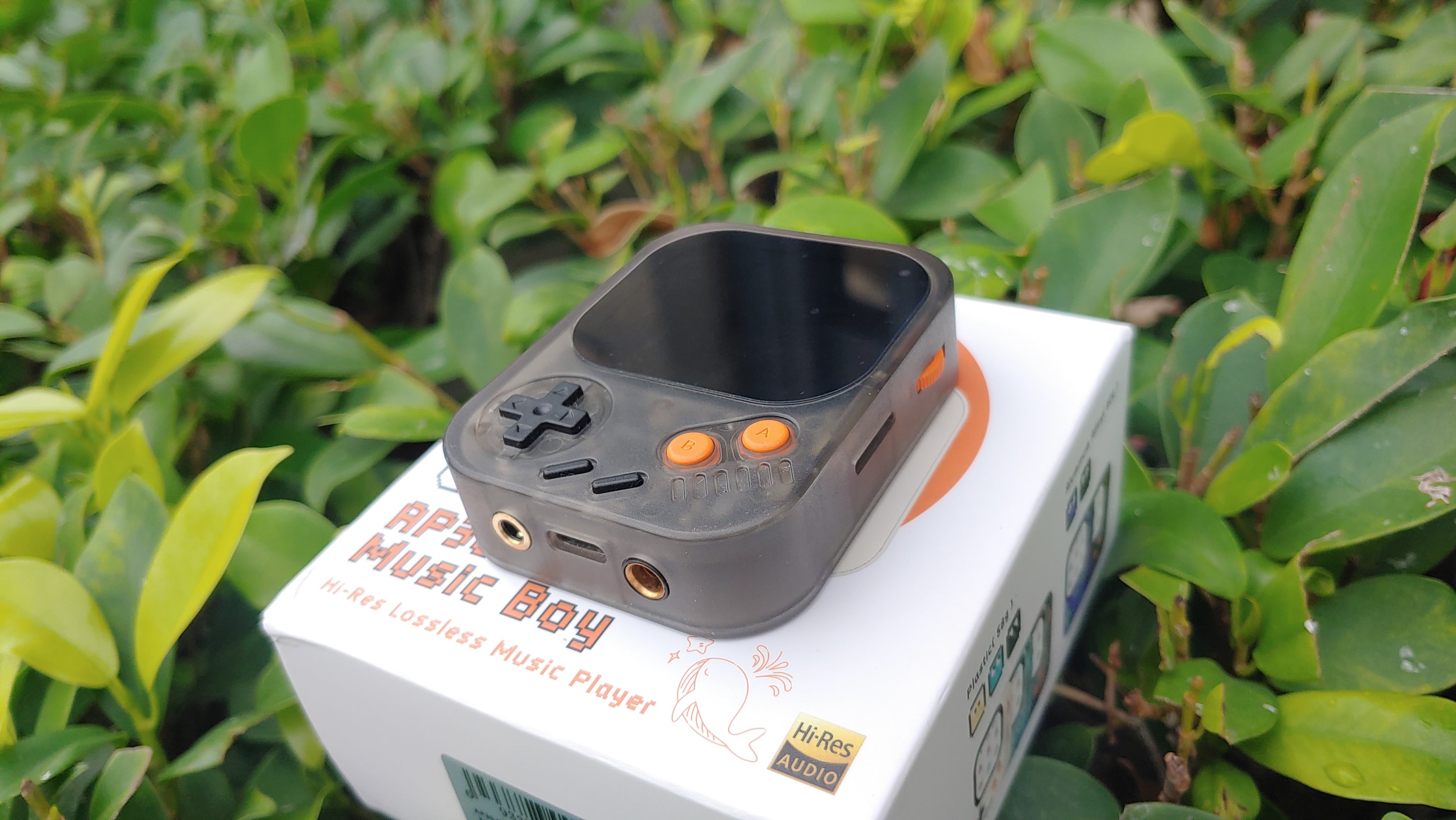
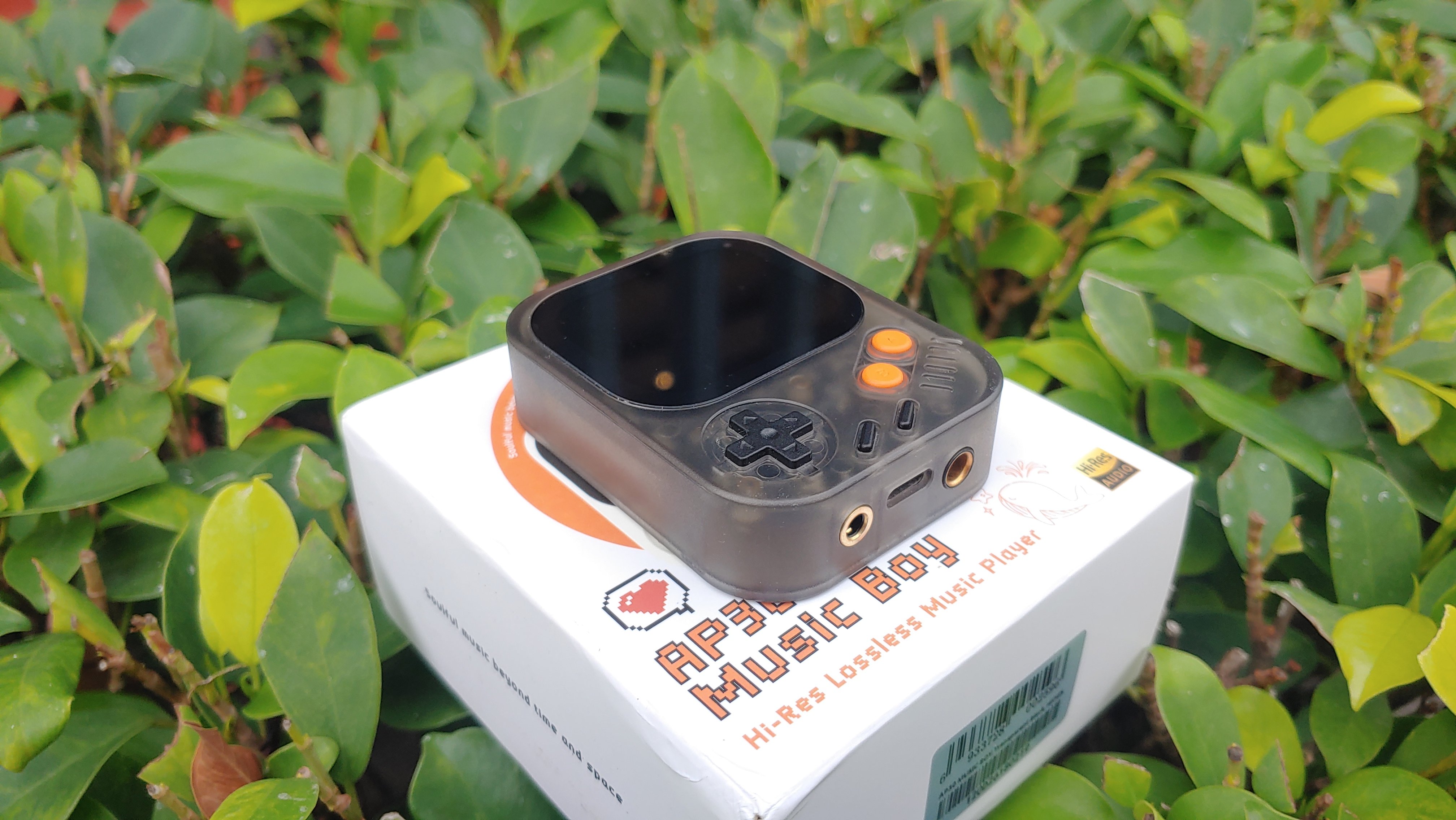
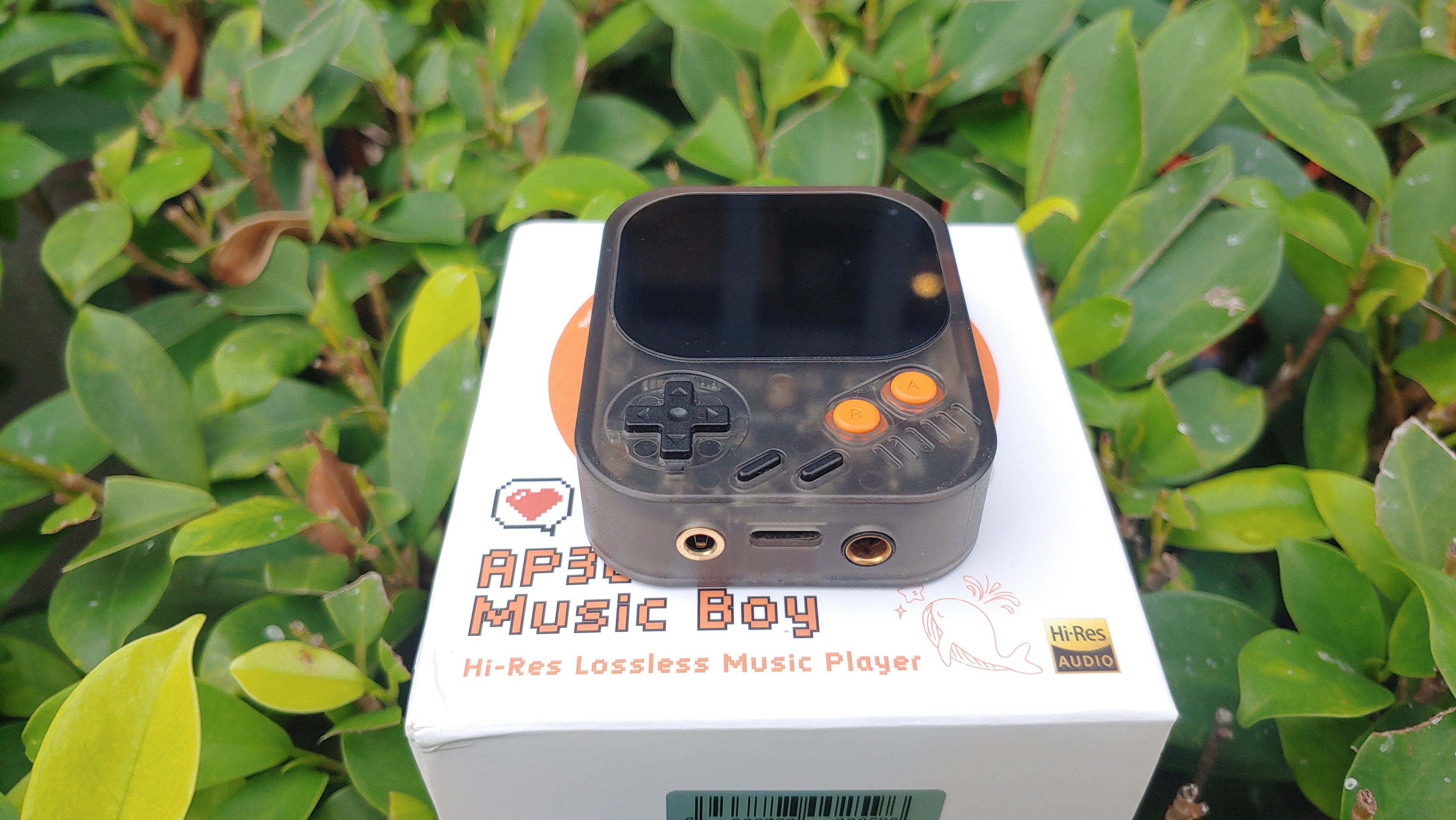
This is HIDIZS AP30 MUSIC BOY and it has a compact size with a total dimension of 68mm x 53mm X 17mm which makes it one of the smallest DAP in the market. HIDIZS offer two types of material chassis to choose from either an aluminium alloy or a high quality polycarbonate plastic in which the latter is a bit lighter, along with a variety of colourway. And this one that I will be reviewing is a plastic variant and all I can say is it has a lightweight and also a matte-like surface texture albeit a bit plasticky in my liking (I’m more of a fan of metal and glass materials).
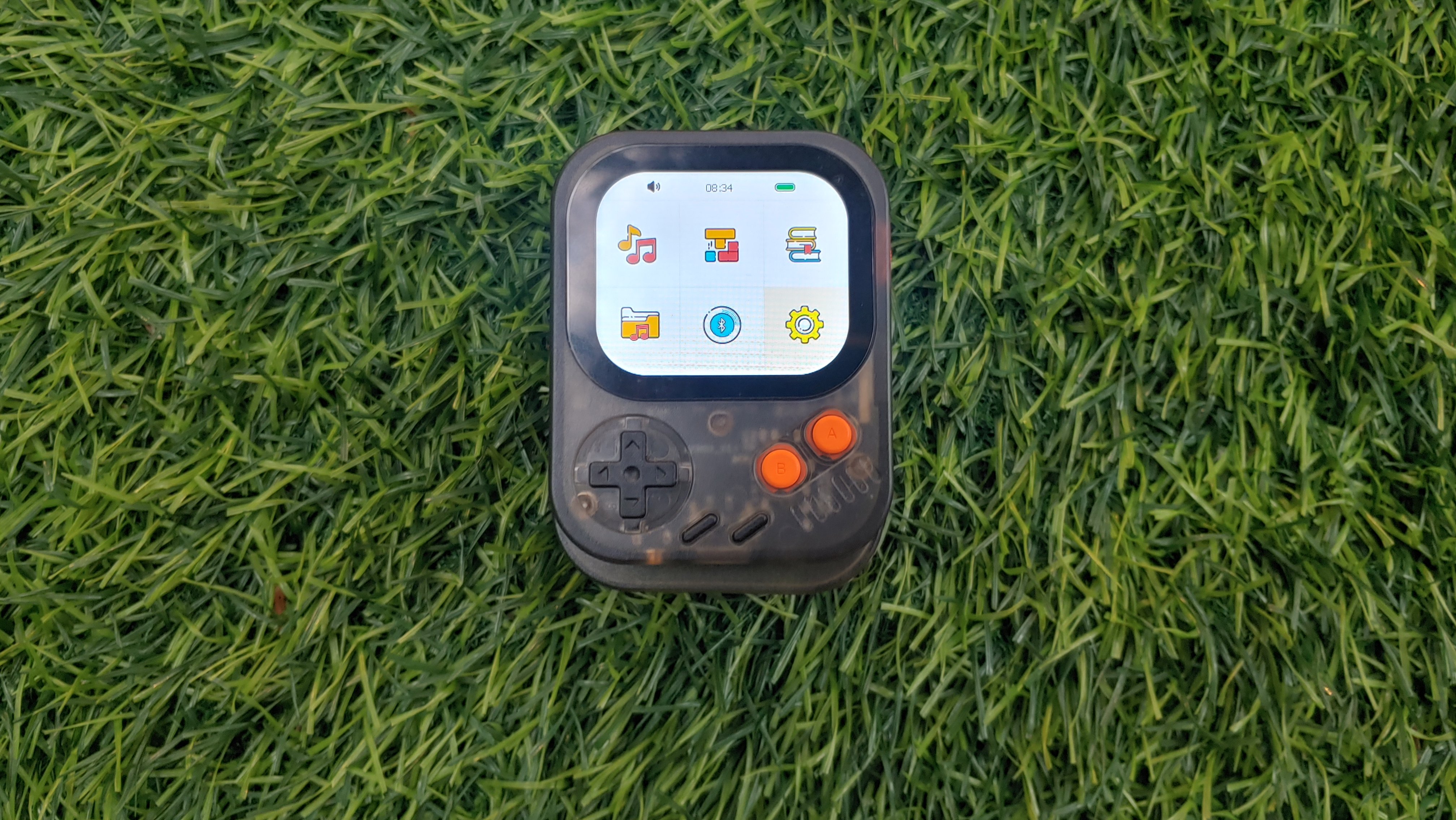
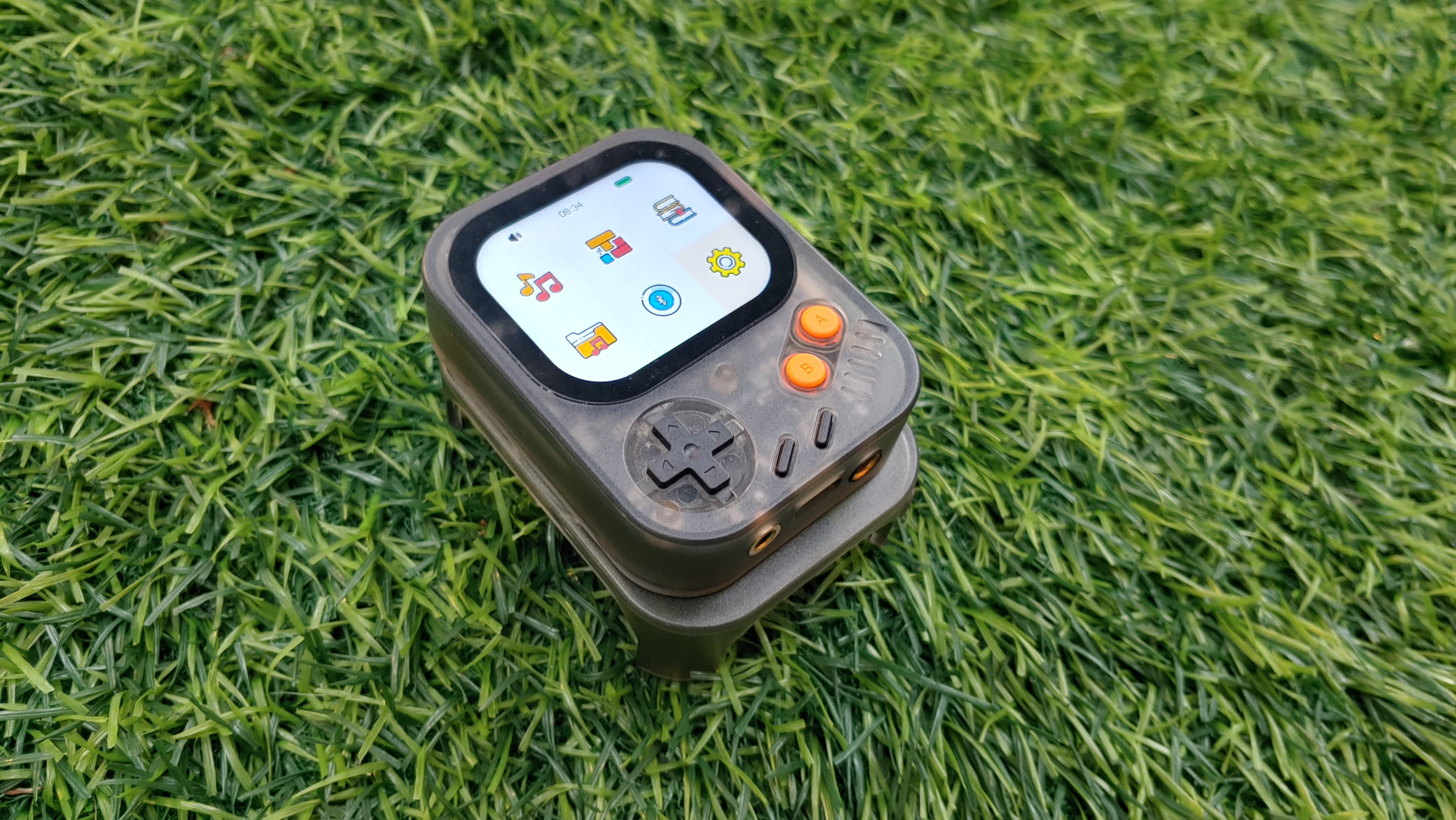
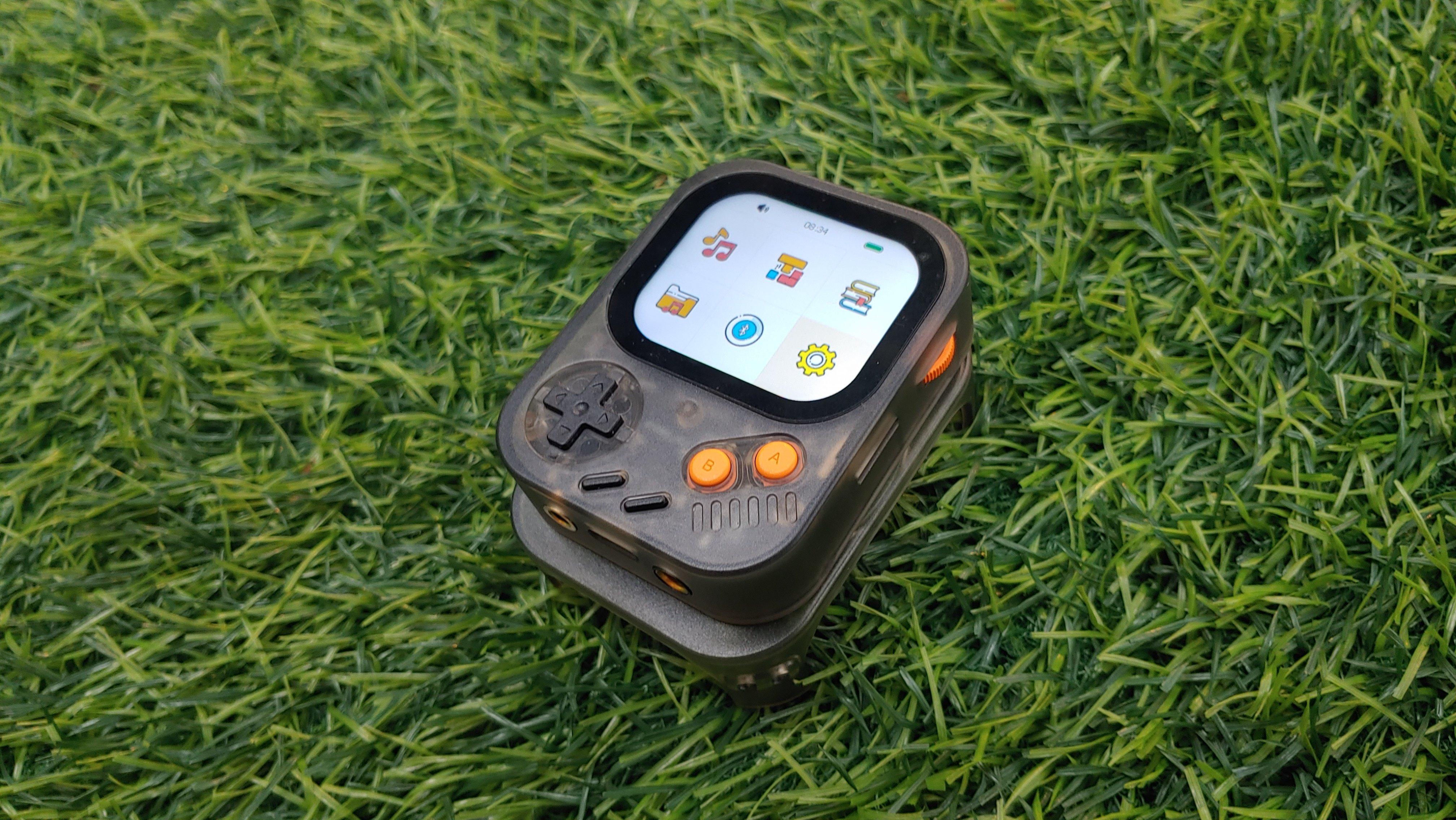
The AP30 MUSIC BOY has a small 2.0-inch IPS screen with a resolution display of 296 x 240 pixels with a good brightness for better legibility on its visual interface. As for its UI, it has basic operating system called HidizsOS in which its interface is somewhat similar to Nokia’s Series 30 in terms of operational intuitiveness and responsive that makes is a bit hassle and cumbersome if you are used into finger touchscreen operation which is more natural with better intuitive due to its more direct interaction on UI, but you are used to handle old feature phones before, it is easy to navigate through muscle memory.
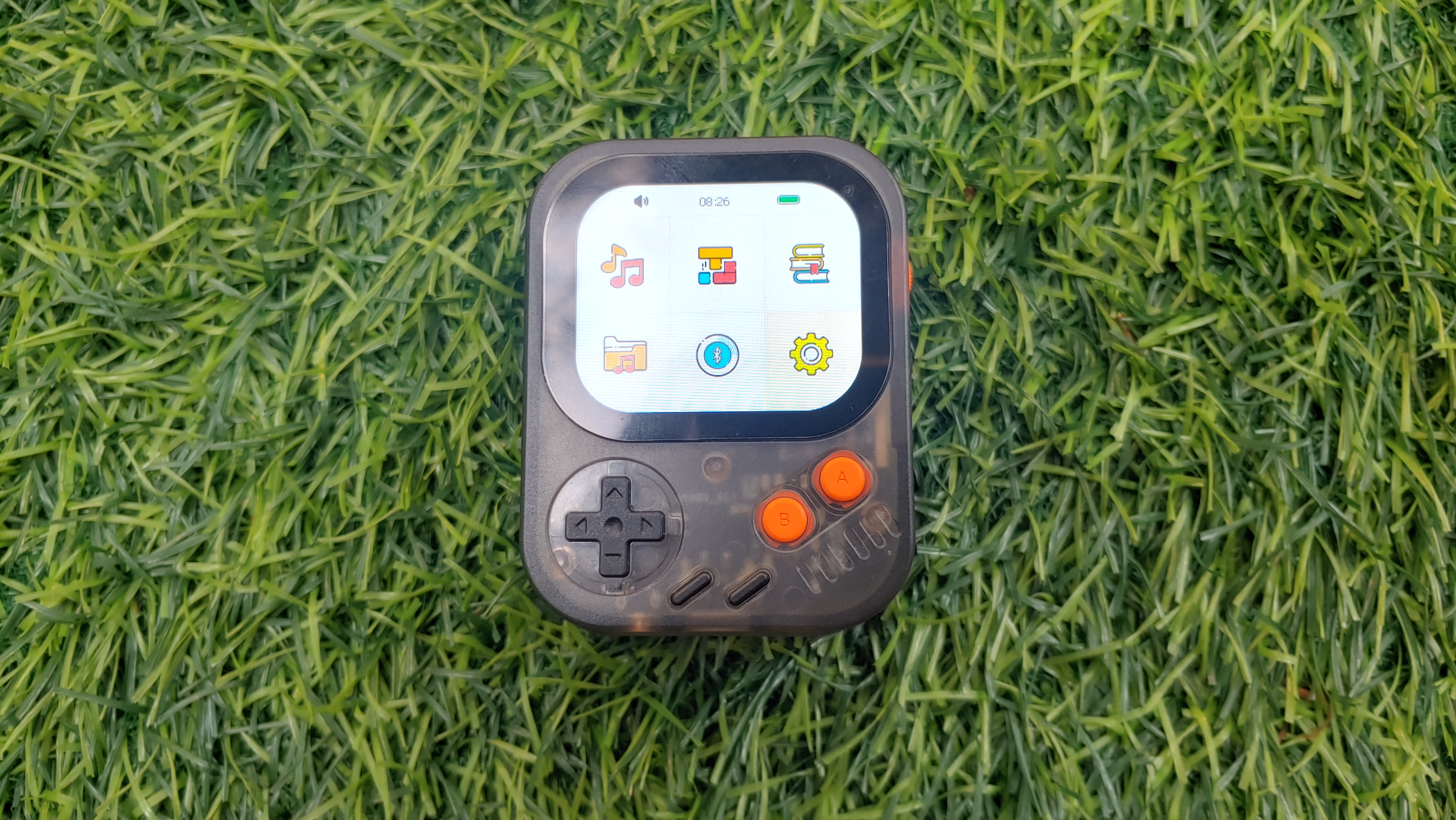
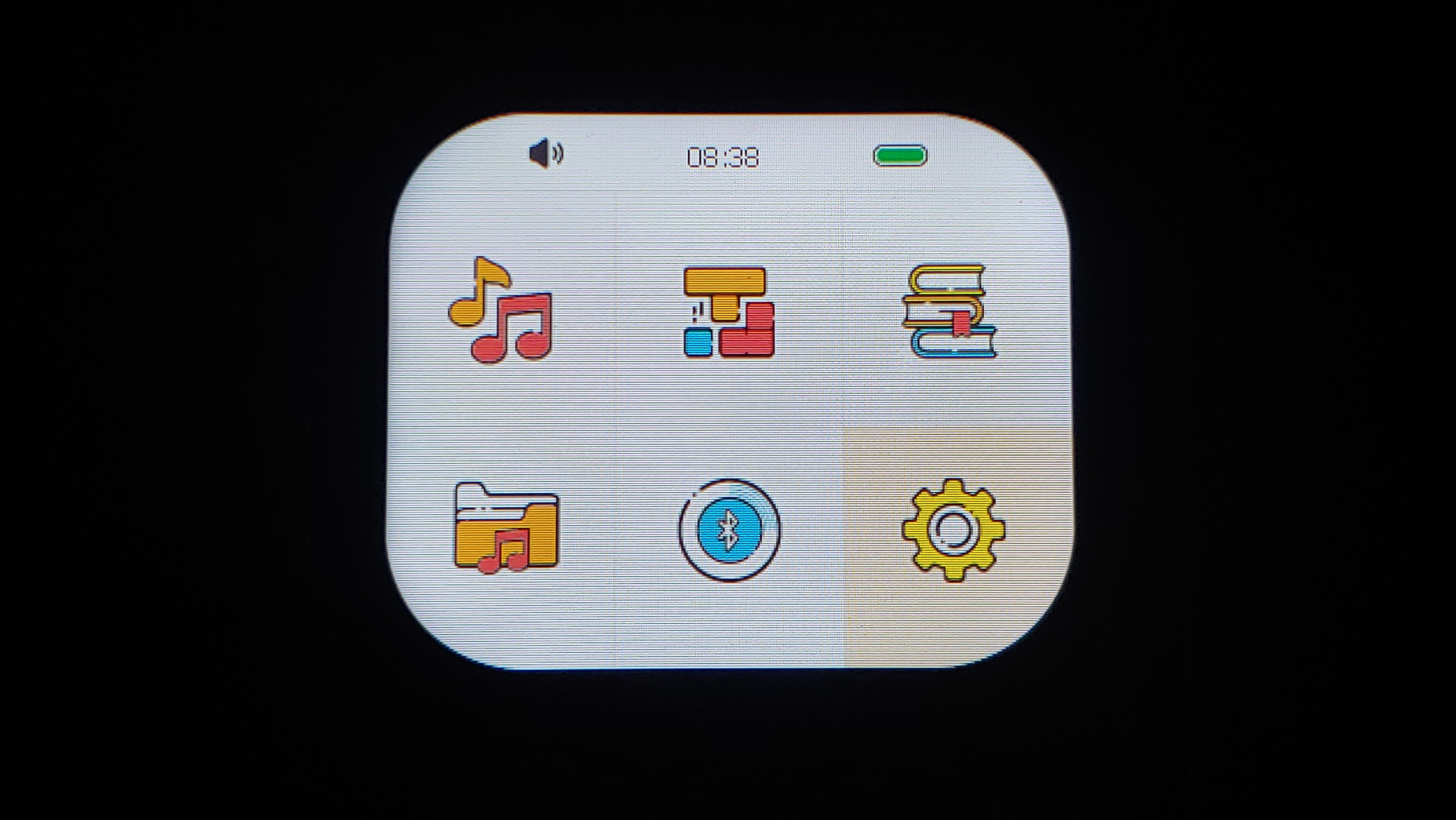
Here are the following contents on its user interface:
MEDIA LIBRARY
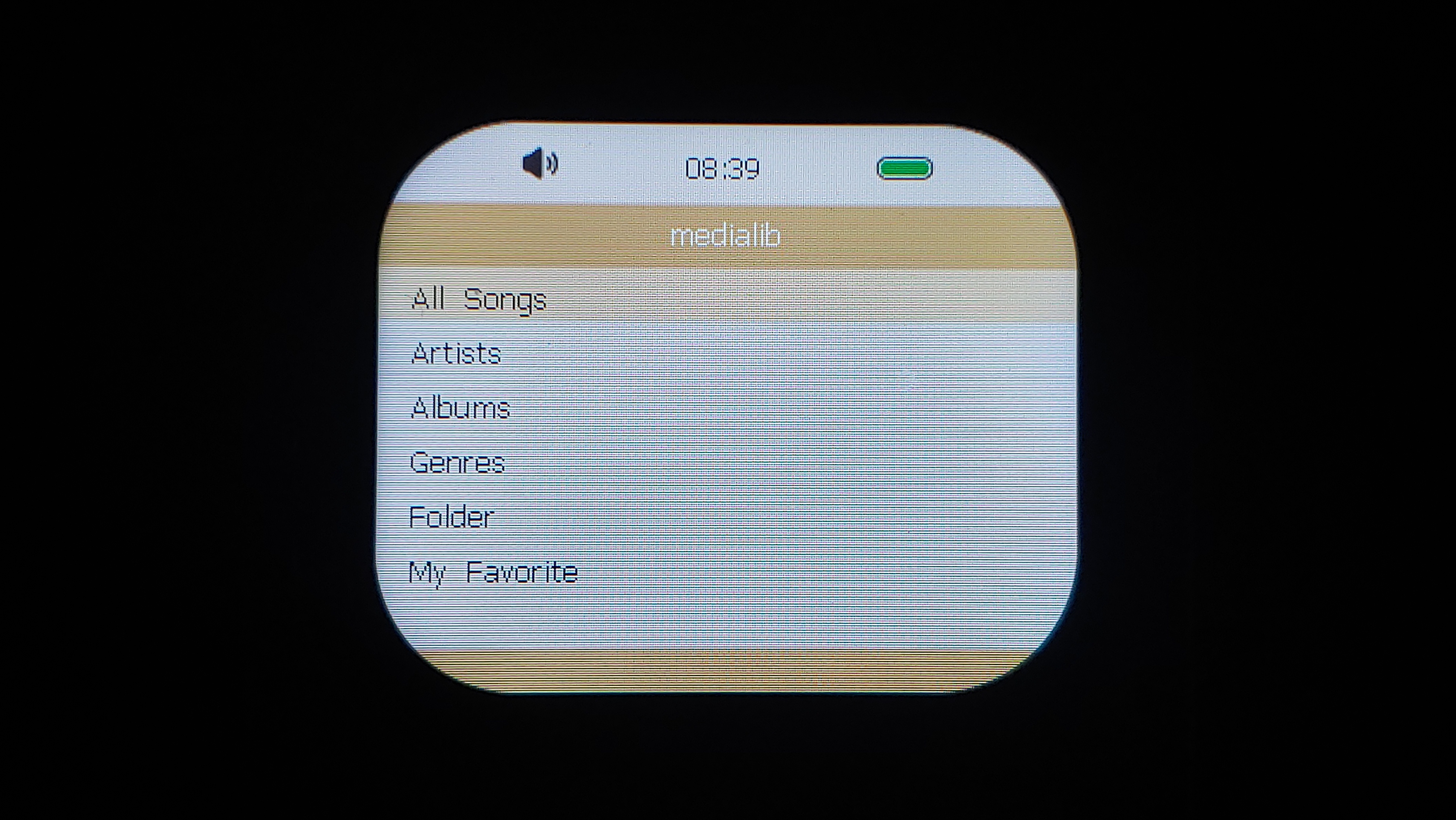
- All Songs
- Artists
- Genres
- Folder
- My Favorite
GAMES
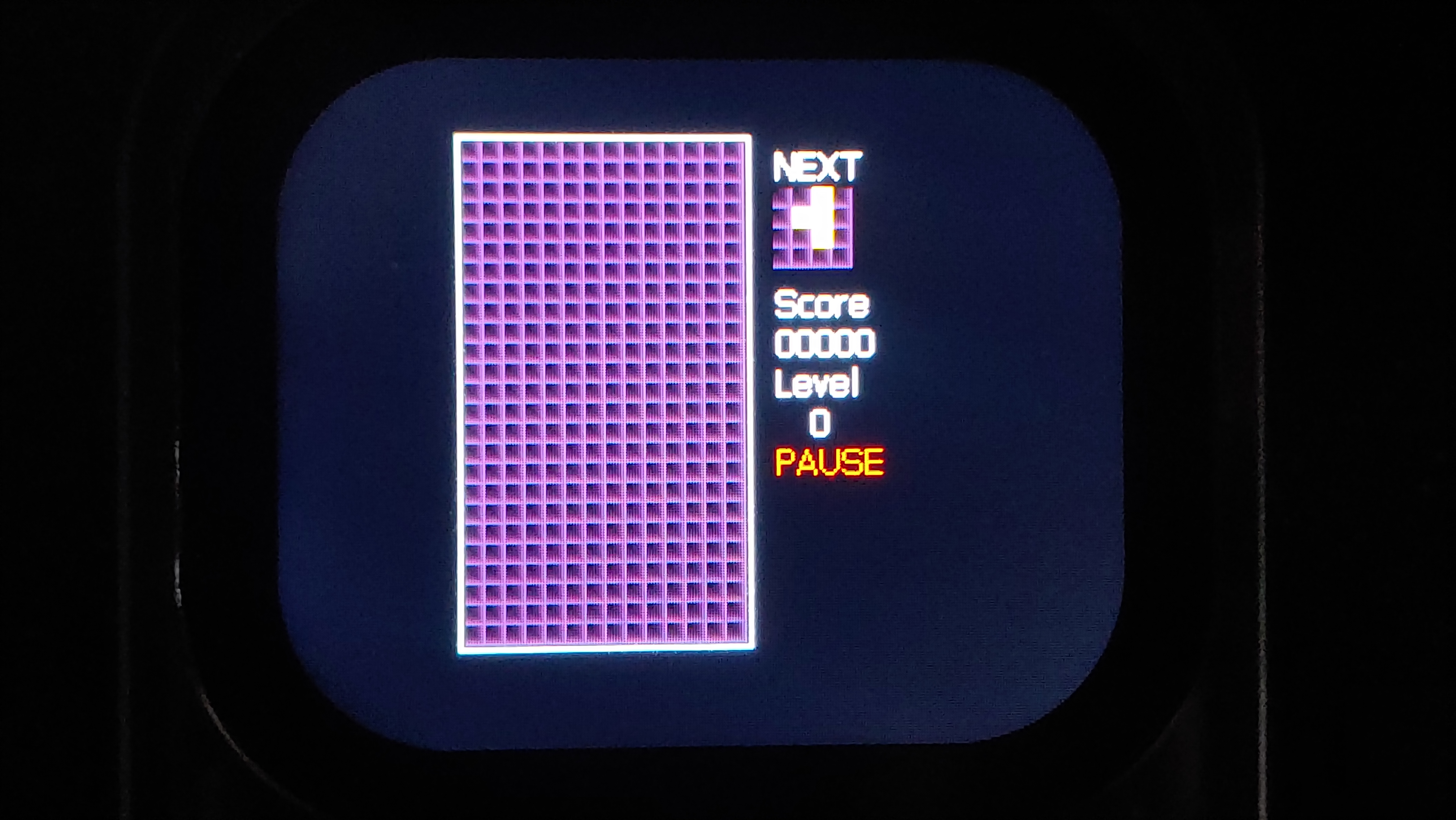
- Tetris
E-BOOKS
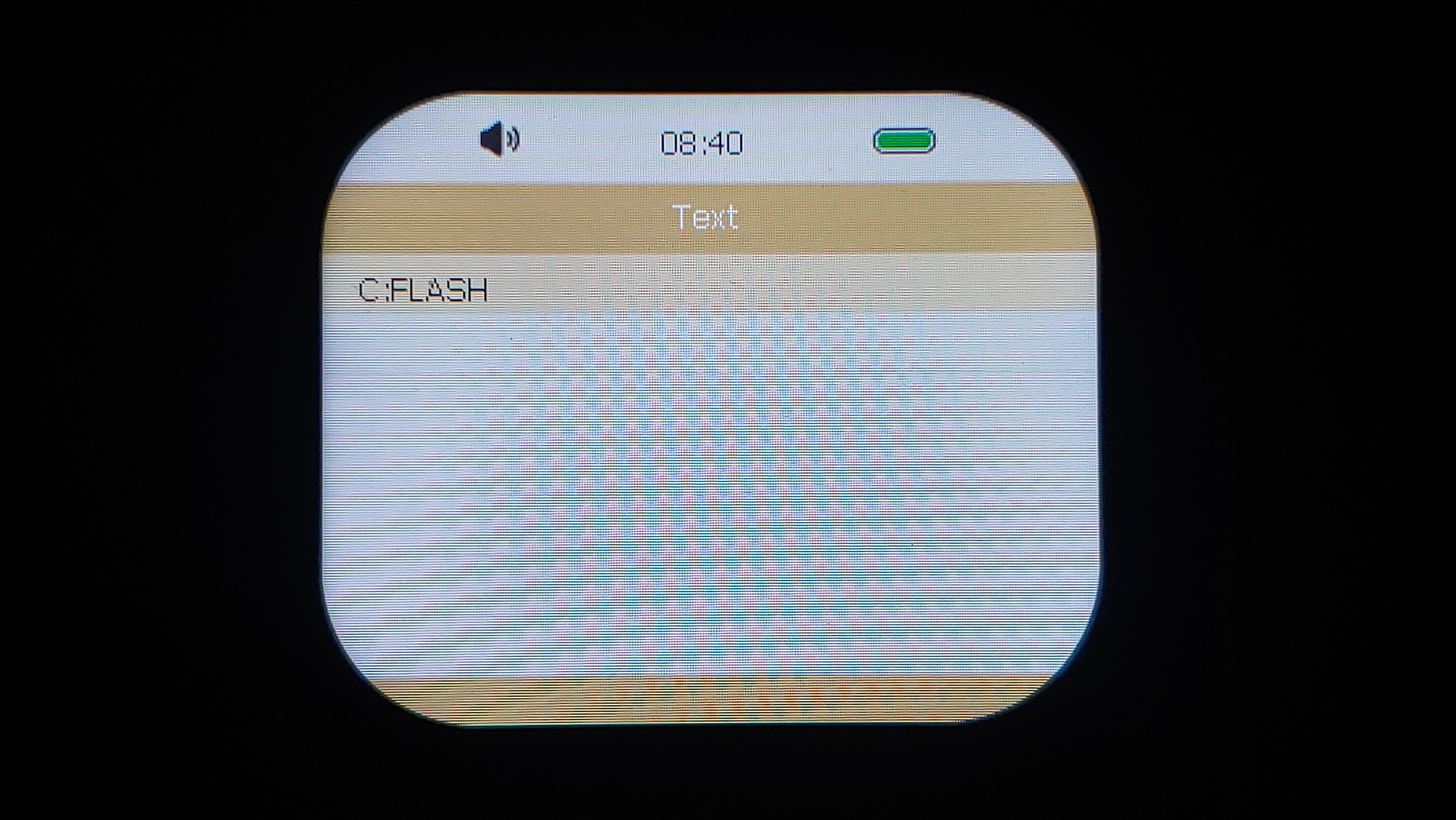
- C:FLASH
- D:SD CARD
FILE EXPLORER
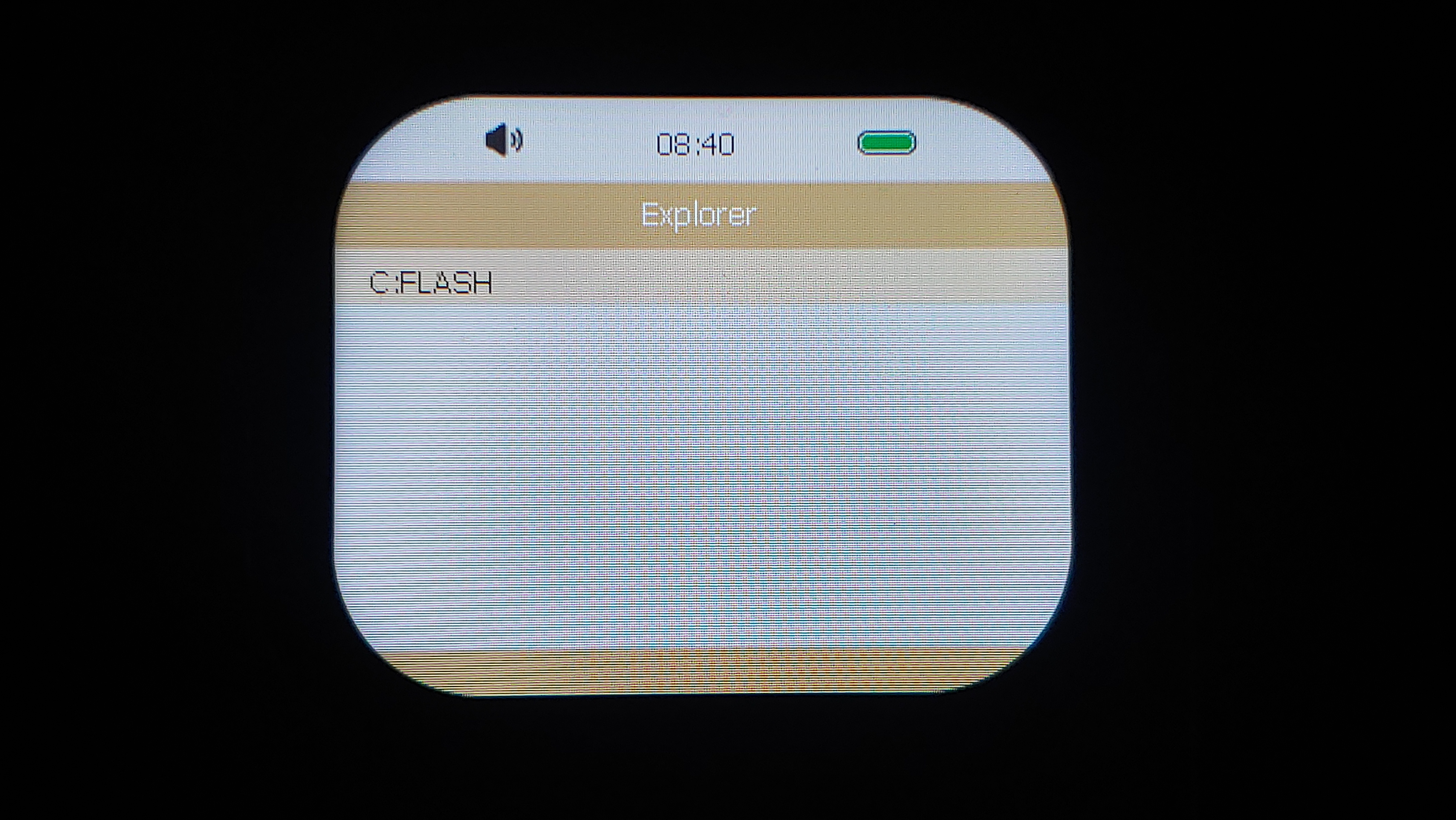
- C:FLASH
- D:SD CARD
BLUETOOTH
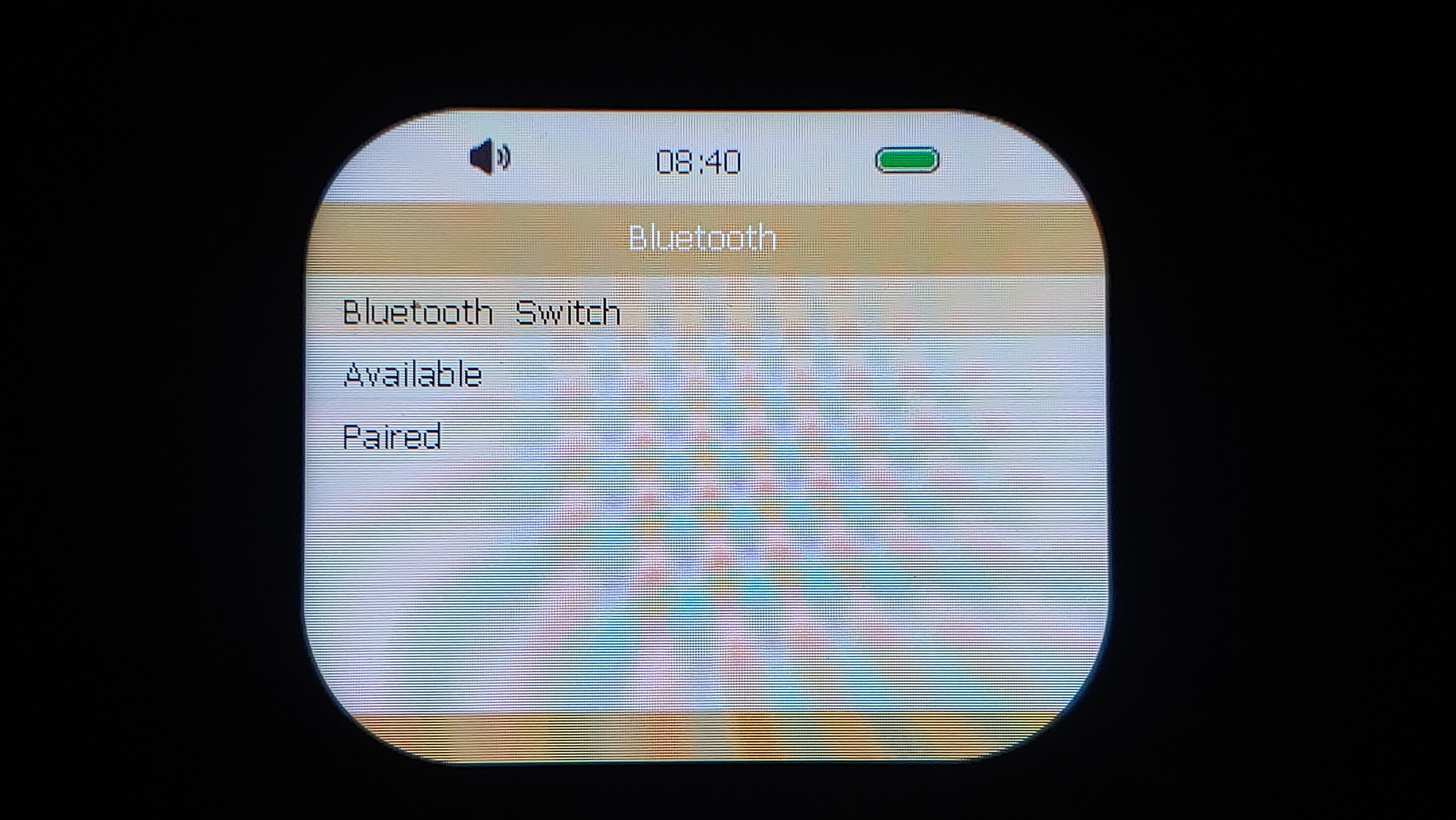
- Bluetooth Switch - Bluetooth On/Off
- Available
- Paired
SETTINGS
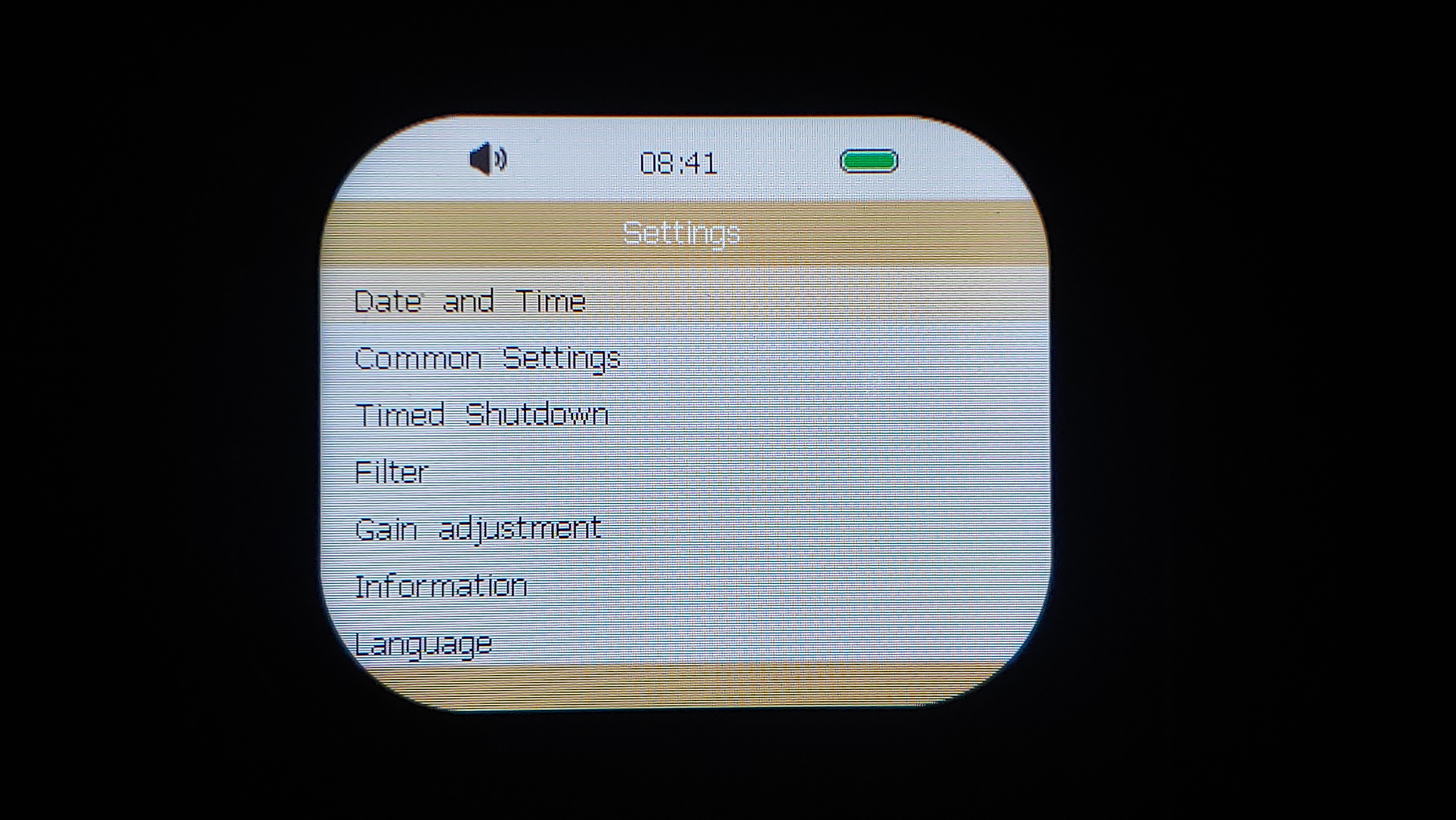
- Date and Time
- Common Settings - Screen Off Timer, Brightness
- Time Shutdown - Power off, Auto Power off
- Filter - Fast Roll-Off - Minimum Phase, Fast Roll-Off - Linear Phase, Slow Roll-Off - Minimum Phase, Slow Roll-Off - Linear Phase, Non-oversampling (NOS)
- Gain Adjustment - Low Gain, High Gain
- Information
- Language - Chinese (two types), English, Korean, Japanese, Spanish, French, German, Italian, Portuguese, Russian, Swedish, Thai, Polish, Danish, Dutch, Greek, Czech, Turkish, Hebrew, Arabic.
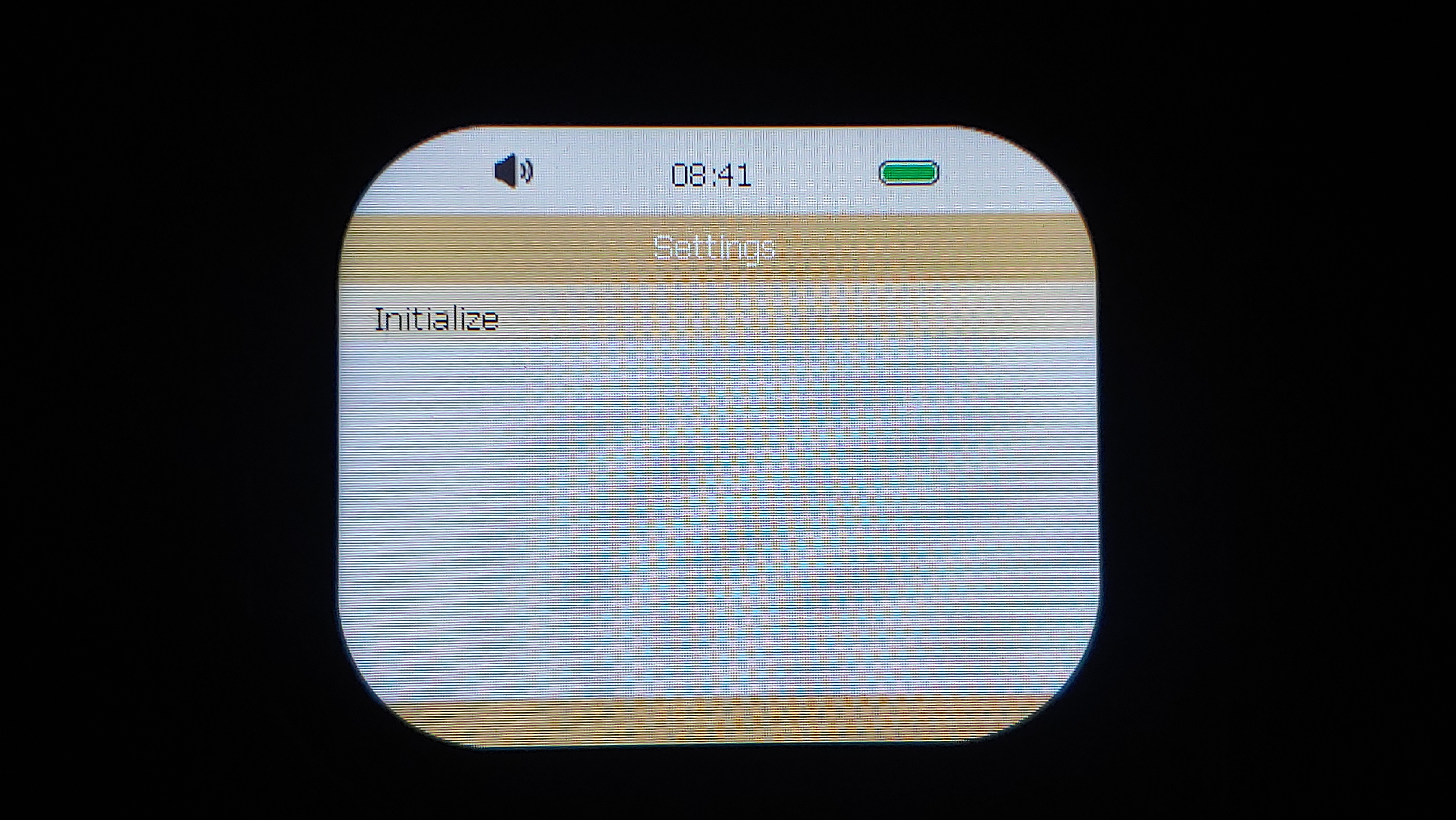
- Initialize - Reset All Settings, Format, Format SD Card
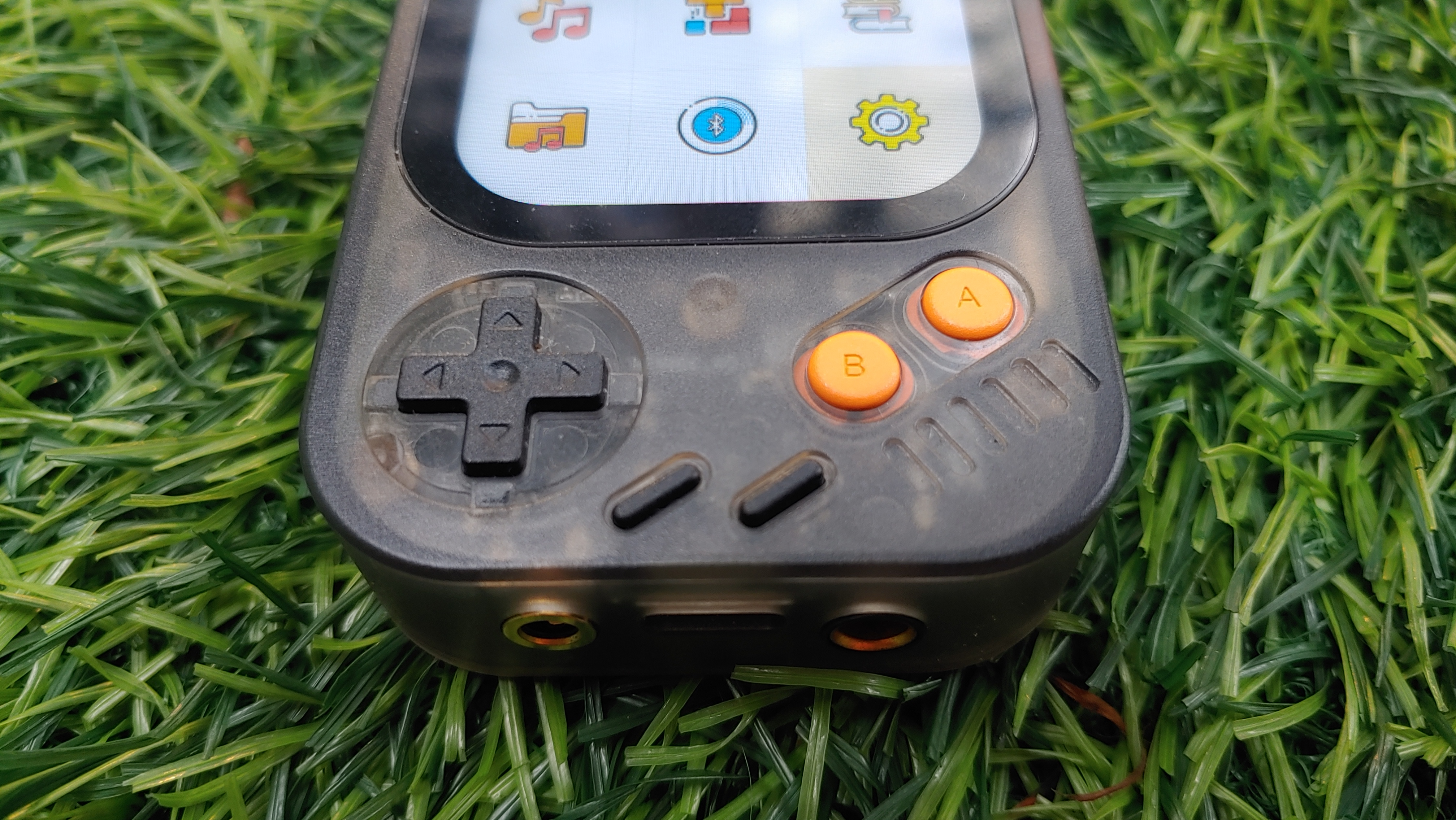
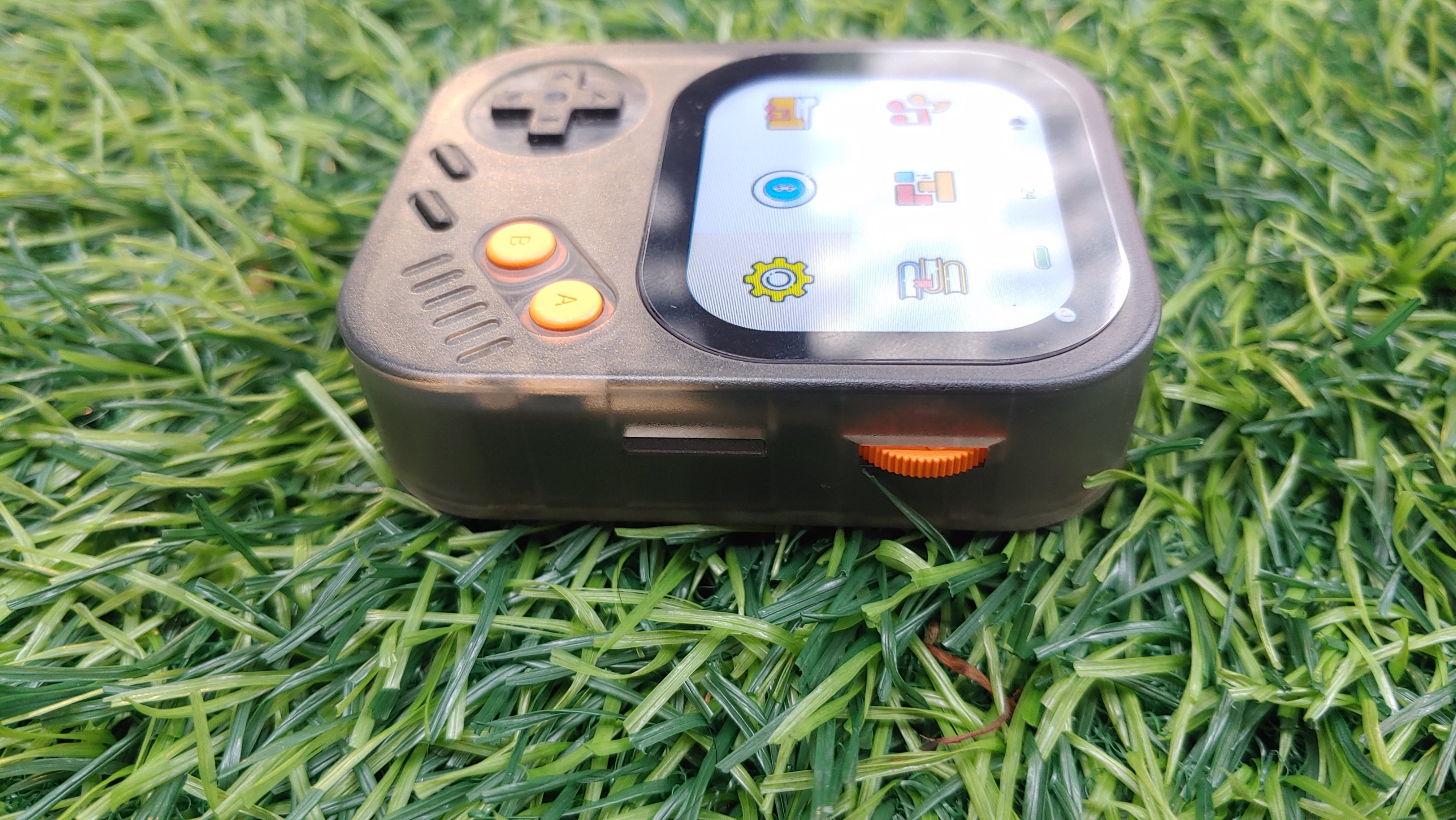
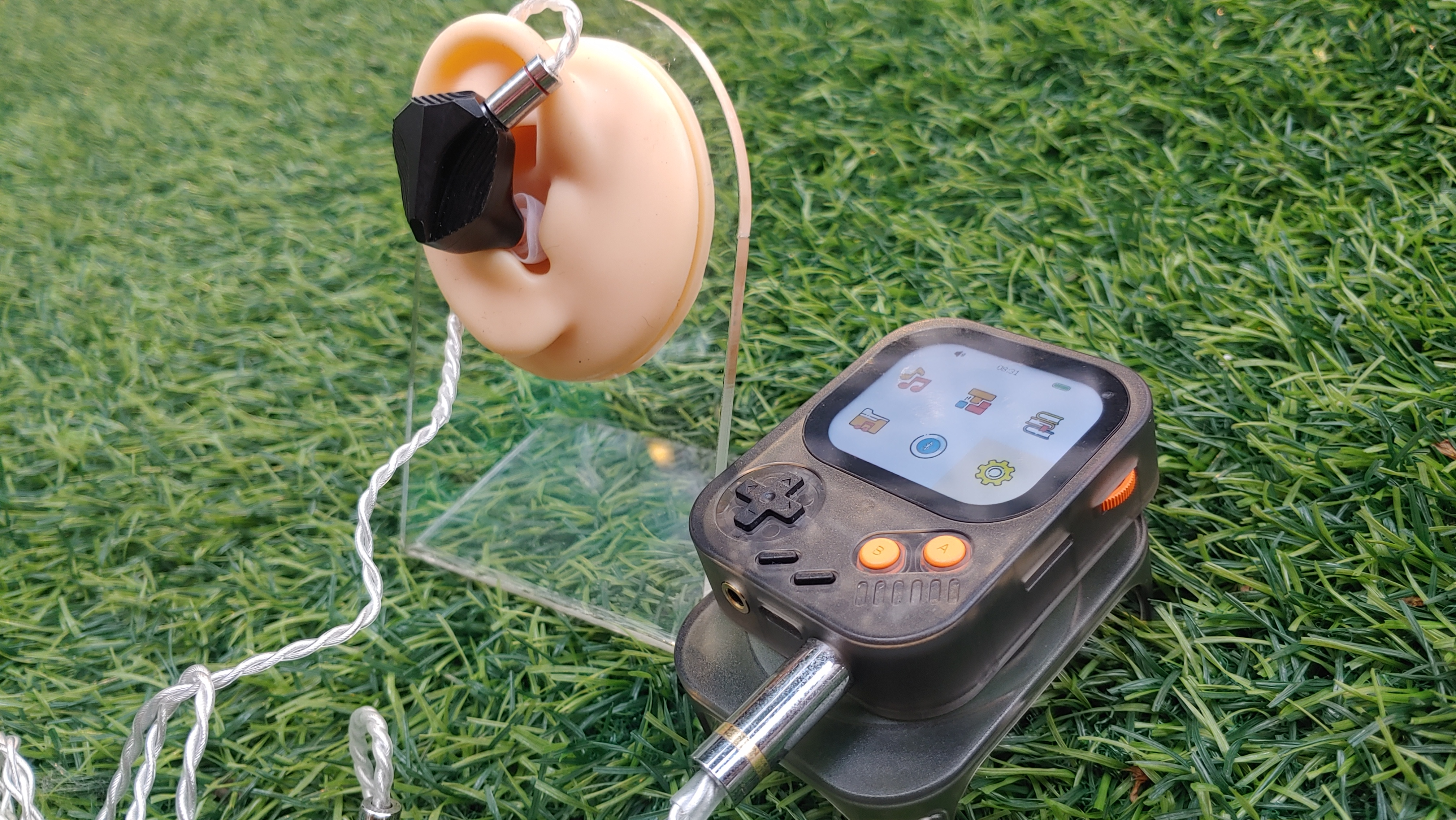
Since this device is a non-touchscreen, it offers a D-pad key button as you will able to move into a usual four cardinal directions, along with a two circular key buttons (B for Back, A for Enter) and another tiny elongated key buttons, one is to access for Music Settings and the other one for play/pause. The buttons are pretty responsive and tactile to give that satisfying click for every press.
MUSIC SETTINGS
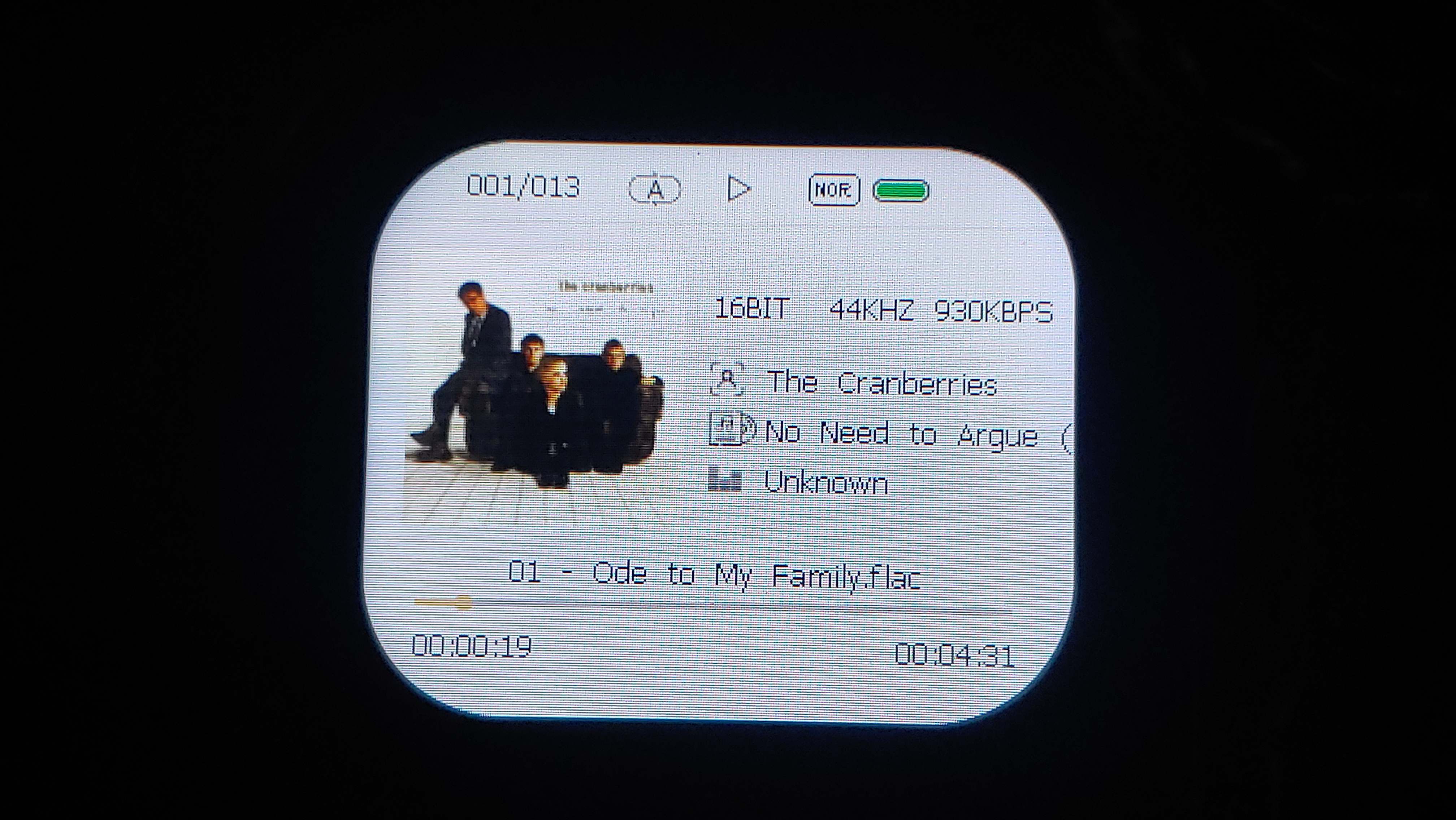
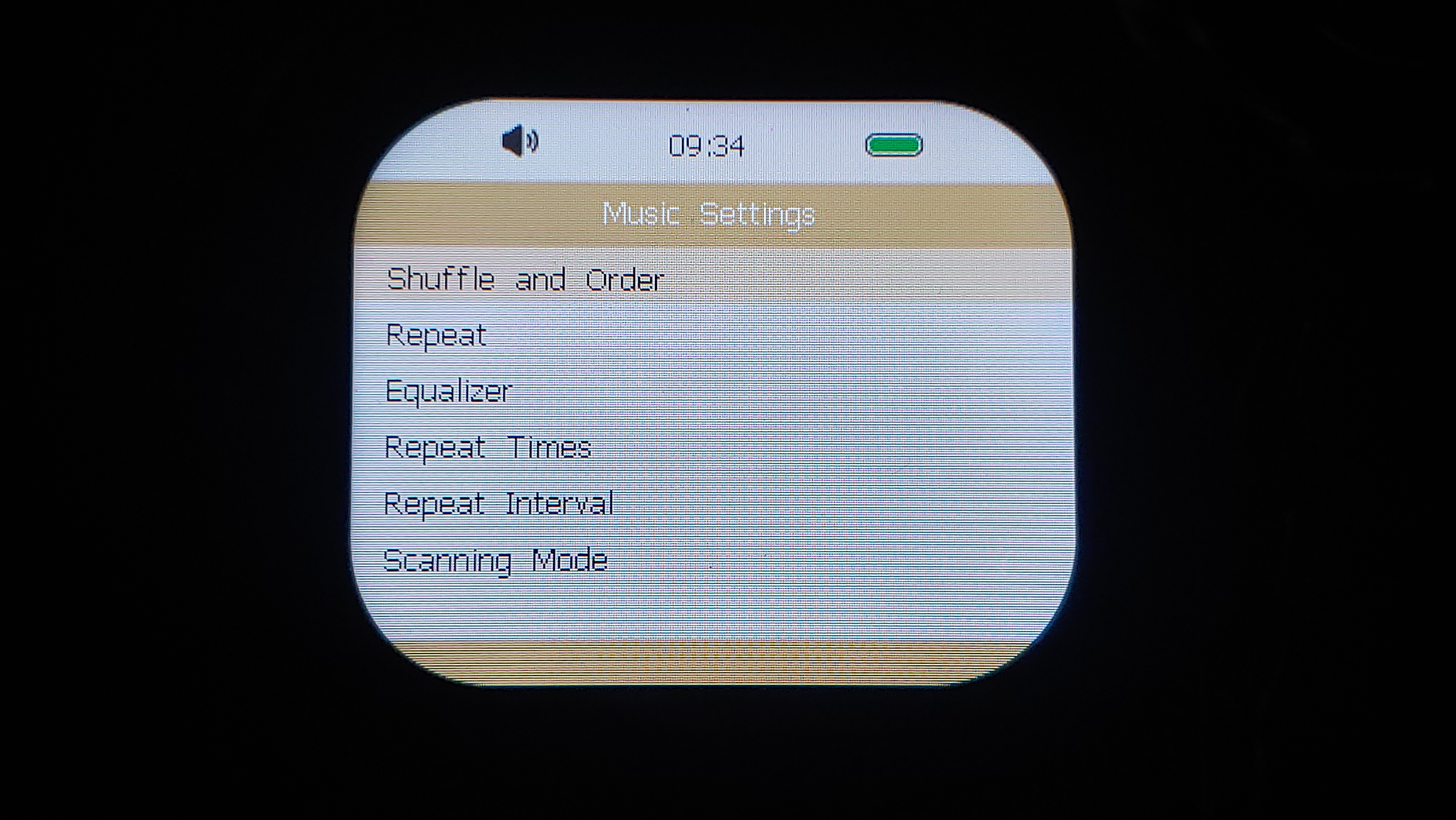
- Shuffle and Order - Order, Shuffle
- Repeat - Normal, Repeat, Repeat 1 Song, All Once, All Repeat
- Equalizer - Normal, Bass, Heavy, Pop, Jazz, Unique (?), Equalizer
- Repeat Times - Unlimited, 1-10 Times
- Repeat Interval - 1-to-7 Second
- Scanning Mode - Accelerating Mode, Uniform Mode
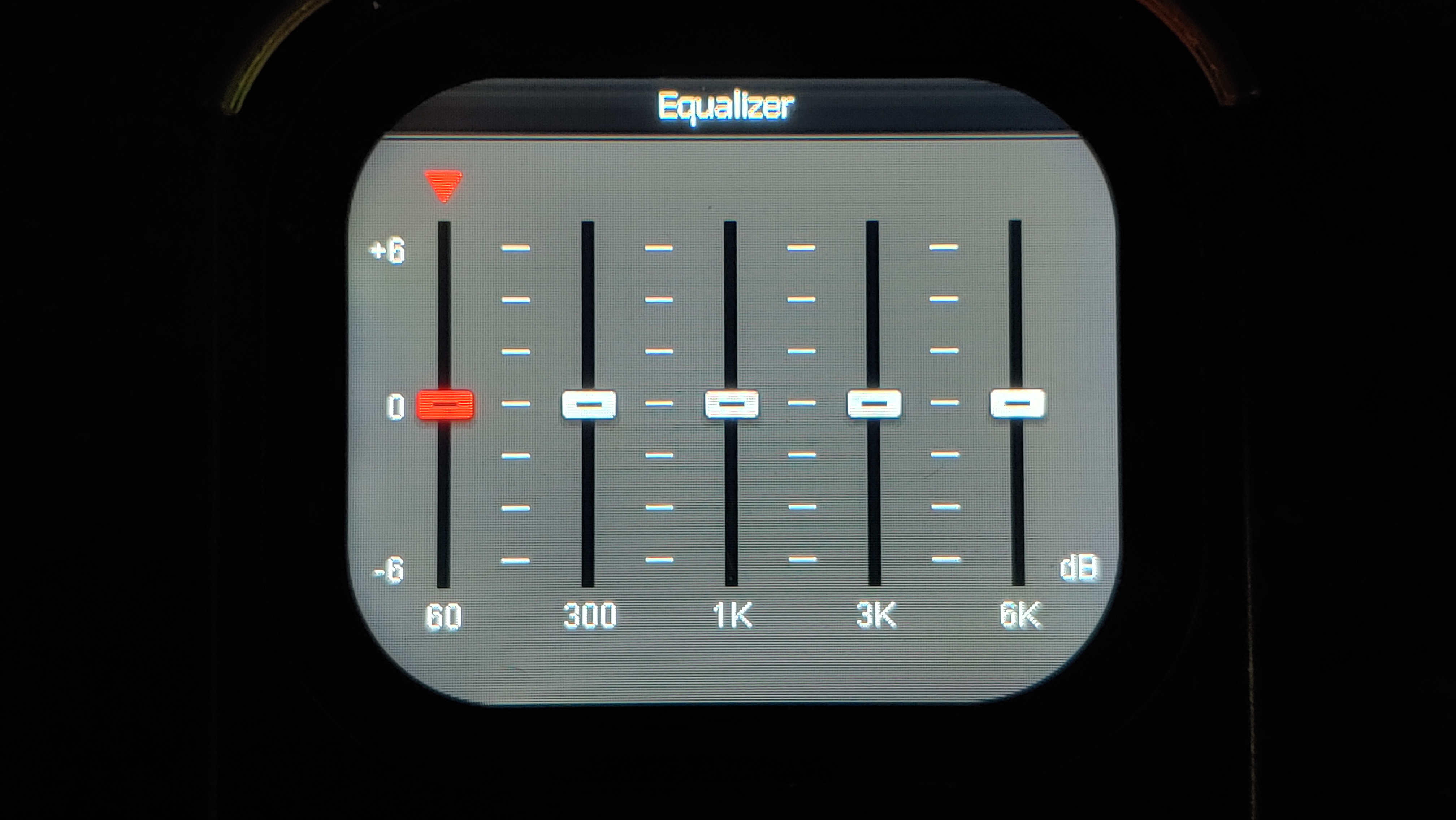
In regards to its equalizer settings, it offers a 5-band audio frequency spectrum to adjust sound wave frequency, gain to boost up to +6 db and a cut down to -6 dB to control and modify according to your preferences.
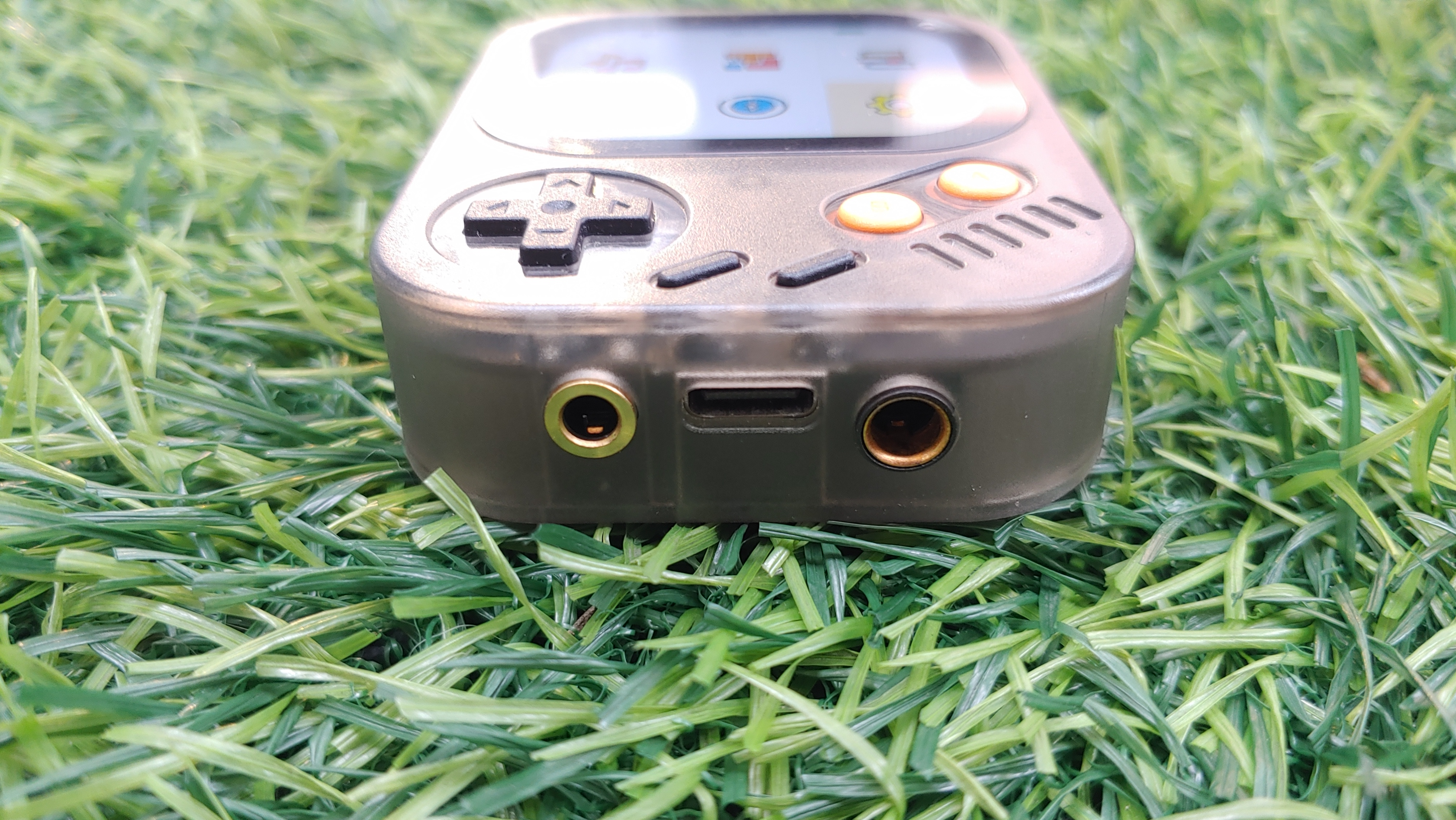
As for its audio output interface, just like a modern DAP, it offers two types of audio outputs, a 3.5mm single ended with a power output rating of 61mW + 61mW@32ohms, and a 4.4mm Balanced with a power output of 137mW + 137mW@32ohms, and with these registered power outputs, they are enough to drive an IEM either with single driver or multiple drivers and also, most of the low impedance, high sensitivity headphones although it will not be enough on powering up to some planar magnetic driver cans in my collection. The dual audio jacks are supported by a proven Ricore Tech’s audiophile-grade operational amplifier and headphone driver, the RT6863 in which it delivers a low-noise, low distortion clean sound, and paired with a power efficient and highly capable audio DAC chip from Cirrus Logic, the CS43198 that can decode and process high-resolution audio files for better accuracy and reproduction on audio signals, up to 32bit/384kHz on PCM format, and up to DSD256 on DSD format.
Another important component of this device that serves as its main processor is a Rockchip’s RKNanoD which is a specialised microcontroller chip which is a very low-powered energy efficient dual-core ARM-based processor architecture that also has a dedicated built-in audio hardware decoder for both lossless and lossy formats, and it also controls some basic connectivity, and peripherals like USB OTG, storage interfaces, and wireless connectivity like bluetooth. The AP30 MUSIC BOY has a very limited ROM of 209MB on its built-in storage as it will likely rely on the capacity of its external memory card for audio file playback that can support up to 256GB memory storage which is sufficient enough in my opinion. Its USB Type-C supports 2.0 USB protocol which its data speed up to 480 Mbps for charging,data sync and transfer in which you can use this device as a stand-alone USB headphone DAC/amplifier, and also it can use as a bluetooth transmitter as it has a built-in Bluetooth 5.3 module although it only supports SBC bluetooth codec which is pretty standard and lossy.
The AP30 MUSIC BOY is powered by a small Li-Po battery with a 1200 mAh w/3.8V capacity with a quick charge protocol that allows to fully charge this device from 0% to 100% within an hour, and it has a standby time up to month with an audio playback runtime up to 12 hours on PO and up to 10 hours on balanced output on wired mode, and up to 8 hours for wireless bluetooth receiver connection. As for its control control, it utilises a wheeled volume knob by ALPS for a precise and smooth fine-tuned increment of increasing and decreasing volume levels.
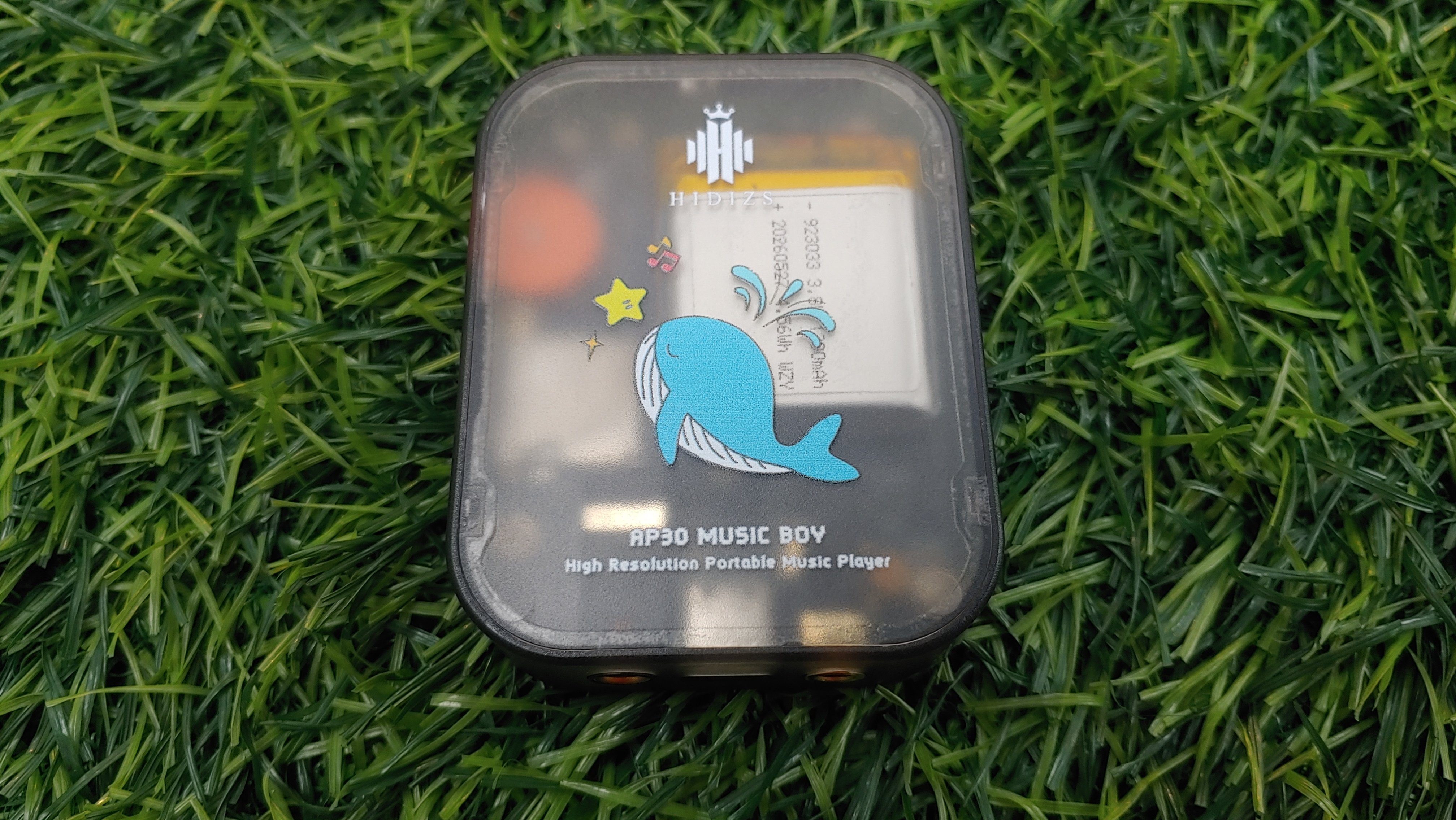
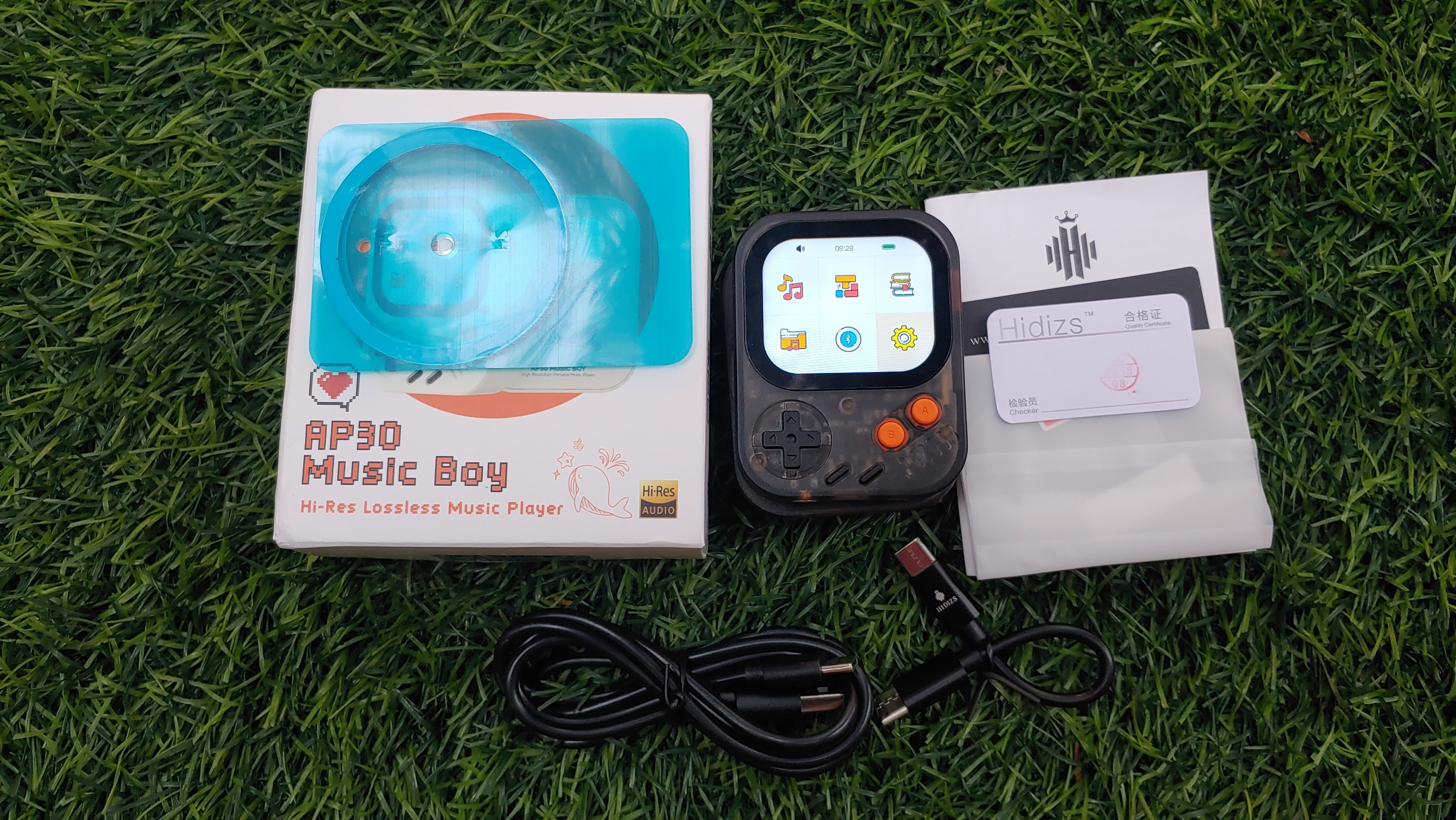
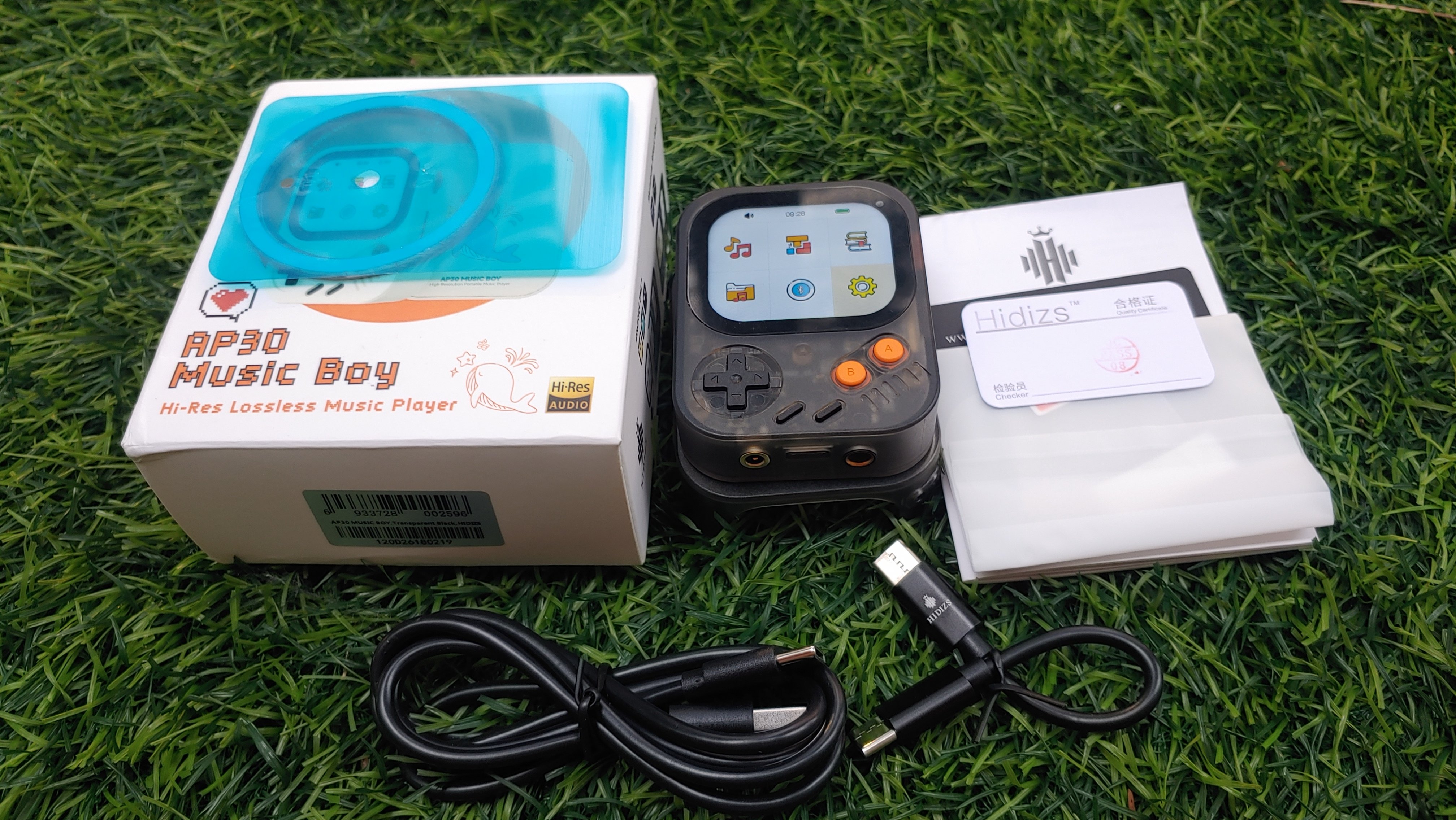
When it comes to its product packaging, the HIDIZS AP30 MUSIC BOY has a small packaging box but it is well-packed with accessories inside.
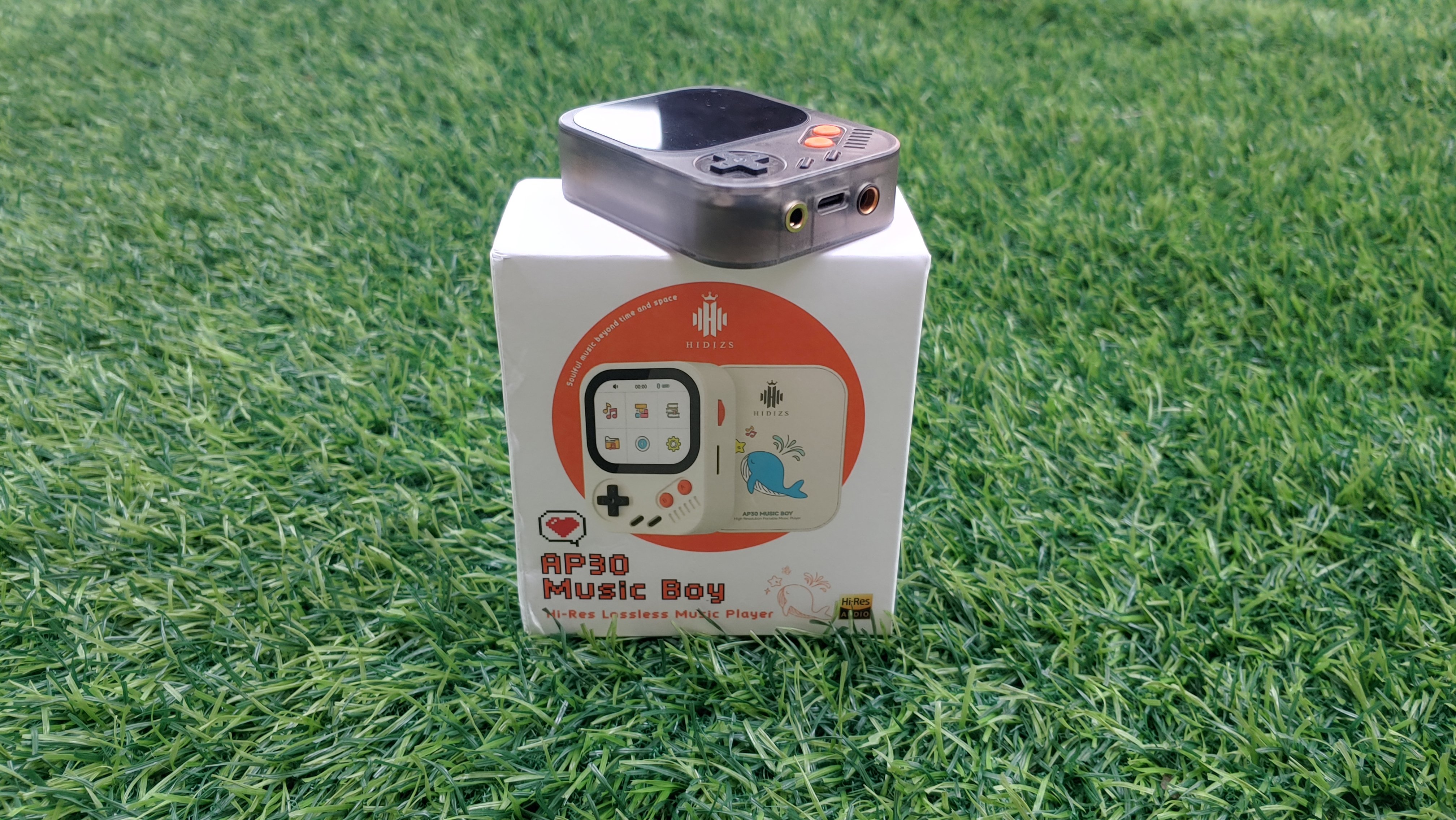
These are the following contents that were included of its packaging box:
- HIDIZS AP30 MUSIC BOY DAP
- USB TYPE-C cable
- USB TYPE-C to TYPE-C OTG cable
- 2x Screen Protectors
- Magnetic Protective Case
- Paperwork like user manual, warranty card and quality control stub
As I mentioned a while ago that this device has a decent power output delivery given with its diminutive size that it can amplify most of the IEMs that I've tested from single dynamic driver up to hybrid driver set-ups but it barely drive one of the harder to drive planar IEM in the market, The TINHIFI P2 Ultra and also other headphones in my collection like HIFIMAN HE400 and SENDY AUDIO’s Aiva II and Egret in which they sound less dynamic and lacking of the headroom as it requires more power output. In that regard, I can certainly declare that this DAP is designed for portability only for easy pairing with IEMs, ear buds and low impedance, high sensitivity cans.
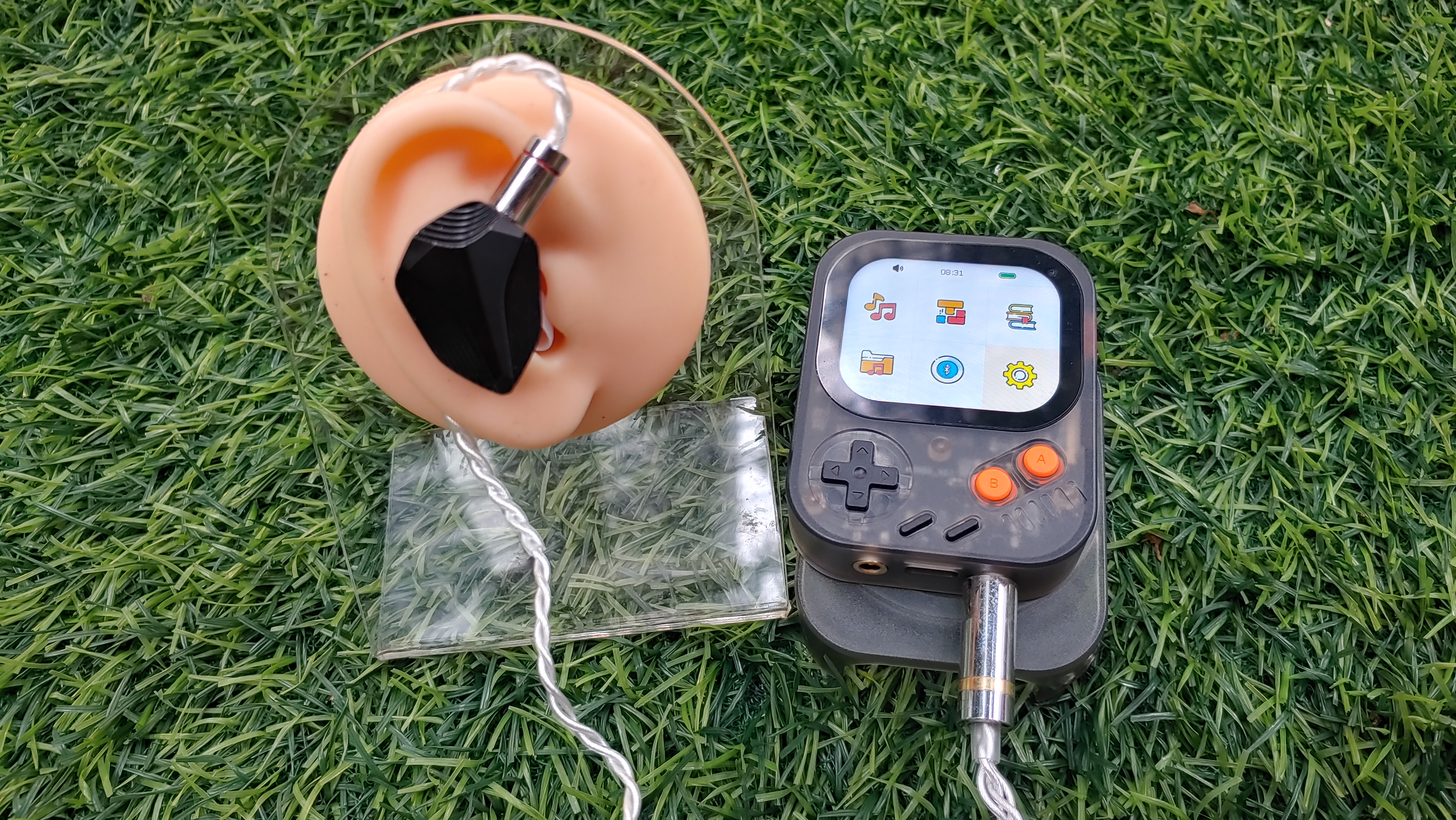
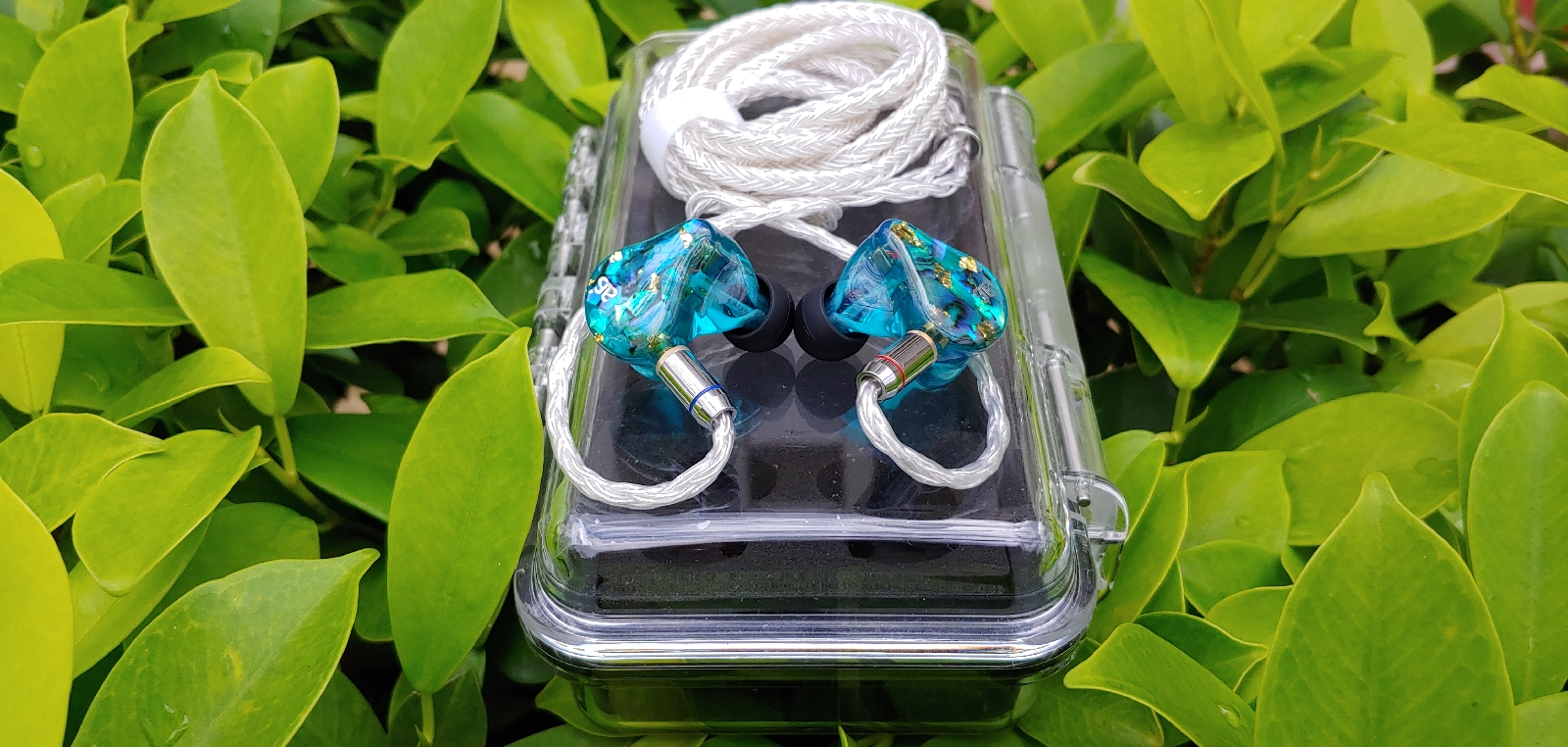
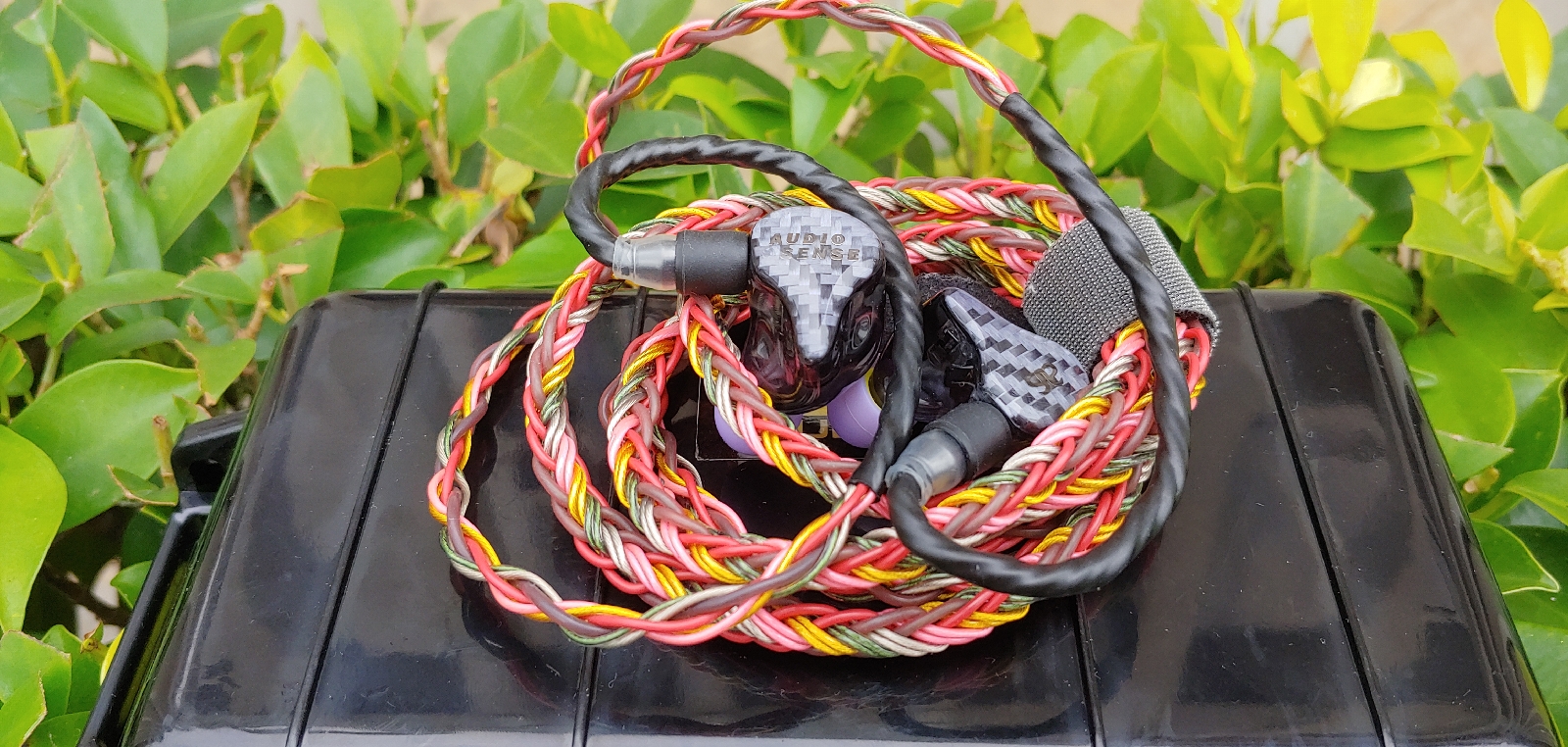
The following earphones and headphones that were used on this test:
- HIDIZS MY LIN
- HIDIZS MP145 PRO
- HIDIZS MK12 x DUCBLOKE
- LETSHUOER EJ07
- LETSHUOER EJ09
- LETSHUOER CADENZA 12
- TINHIFI T6
- TINHIFI P2 ULTRA
- SENDY AUDIO AIVA II
- SENDY AUDIO EGRET
- HIFIMAN HE400SE
As for its sound profile, in a NOS digital filter mode, the AP30 MUSIC BOY has a warmish-neutral tuning which gives a more balanced, realistic audio presentation for an organic sound on both vocals and instruments. With this tuning, it presents more on the “musical” aspect rather than being too clinical and analytical sound as it has a bit of colouration on its overall sound quality.
LOWS/BASS:
As I paired it with MP145 PRO on its balanced tuning nozzle settings, it somehow adds a bit of mid bass texture without smudging the lower midrange. It sounds a bit more rich, full and punchier bass response while maintaining that fast and precision on the low end.
- It still retains that deep and reverberating sub bass presence as it was able to produce a satisfying rumble that was produced from low-tuned strings, drum machines and synthesisers.
- On bass-clef instruments, a resonant and sustaining sound on bass guitars, a broad and raspiness on the double-basses’ sound, and the fullness and sonorous sound on every stroke from bass kick drums.
- The low octave male vocals like bass and bass baritones will somehow sound full with some deep resonance that will add some dense and “marbly” on its overall sound characteristics.
MIDRANGE:
It seems that it adds some gentle boost on the lower mids section that will give a rich, warmth and natural sound on vocals mainly on the male singing voices and more impact and power on instruments like percussions and brasses. Meanwhile the upper mids have enough lift just to give some sense of clarity, airiness and gleam on female vocals, and also on instruments, notably strings and woodwinds.
- The male vocals like baritones have a smooth and plush sound, the tenors sound juicy and sweet and then the countertenors have velvety and rich with a bit less silvery.
- Female voices like contraltos have a rich and fullness on its vocal weight, while the mezzo-sopranos have smooth and smoky quality, and then sopranos have a more satiny and silky sound rather than brilliant and gleaming in which these vocal types are known for.
- On instruments of percussive and string types, snares drums have a penetrating and crisp sound on every stroke and the tom-toms have a warm resonant sound, while guitars have a bit of buttery and rich sound, violins have full and lustrous sound, and lastly, the cellos sound round and mellow.
- As for the other class of instruments, on the woodwinds, concert flutes sound mellow, piccolos sound less brighter and lighter as they have some weight on it, and saxophones have rich, soft and sombre, while on brasses like trumpets, trombones and horns, they sound full, weight and rounded respectively.
- Pianos seems to have a rich, full and a tad warmer side of its overall sound characteristics.
HIGHS/TREBLE:
This is what I noticed on this particular frequency region as it sounds pretty smooth and relaxed with little to none of colouration that it seems that it subdued the some parts on upper mids up to the presence section on the treble region. Even on the brilliance section, it doesn't add more air and at the same time, less sparkly presence.
- With a more gentle boost on its presence section, it has less sharper definition and resolution on the attack on instruments and articulation on vocals.
- It has a slight roll-off but in exchange for no sibilance and eliminates piercing and harshness in which it colours a bit on the neutral-ish bright sounding IEMs to cut some of its sharpness and brightness
- On treble-clef instruments, cymbals have a lustrous and undulating sound, while hi-hats have short, clack-y and tight sound, celestas sound soft and mellow sand, while glockenspiels sound less shimmering.
OVERALL TECHNICALITIES:
This is probably the AP30's inherent shortcomings on its overall audio performance. While it delivers a clean, pitch black sonic background, it won't deliver a wider soundstage, nor it improves its layering and separation.
The resolution capabilities of this one is quite good for its price as it has a distinction between its macrodynamics and microdynamics as the former is able to differentiate the varying degree of its volume dynamics from its quietest section and loudest level on both of its instrumental line and chorale section, while the latter has a reasonably sharp definition to extract fine details and other nuances like instrumental reverb tails, notational attacks and vocal delays from an audio track.
PEER COMPARISONS:
HIBY R1
- An older entry-level from HIBY and it is now priced at US$69/£52.
- It has a bit larger size profile and its frame is made of metal alloy.
- Its screen is a bit larger with touchscreen support.
- The DAC chip of this one is also a Cirrus Logic but different model as this one uses a CS43131.
- It uses a faster processor that runs a linux-based HIBY OS that supports some lossless audio streaming service like Qobuz.
- It only has a 3.5mm headphone jack
- It has Wi-Fi connectivity and also has a bluetooth with support of advanced bluetooth audio codec like apt-X HD and LDAC.
- It has a warmish-neutral sound profile which sounds similar to the AP30 MUSIC BOY but it has a bit better air extension.
XDUOO X5
- More expensive than the AP30 MUSIC BOY.
- Its dimension is a bit larger and it is made of metal alloy.
- The screen of this device is larger as it has a 3.5 inch display with a resolution of 800 x 480p.
- This one also sports a proven Cirrus Logic DAC chip, a CS43131.
- It uses a rather basic operating system which is pretty similar to some old Chinese “Bandit” phones from the 2000s (I used to have one).
- It features dual audio jacks and both deliver a stronger output compared to the AP30.
- It has Wi-Fi connectivity and it has a bluetooth that supports advanced bluetooth codecs like apt-X HD and LDAC.
- It supports memory card capacity up to 1 terabyte.
- This one also has a warmish-neutral sound profile.
HIDIZS seems to appeal to classic aesthetics as it evokes some feeling of nostalgia on some older audio enthusiasts like me as I lived in that era, and used to have some Game and Watch consoles and also a first generation Game Boy. The D-pad-like control design itself is a strong reminder to me that I was once a child before just to enjoy playing some video games either in a desktop form or portable form, and the form factor of AP30 MUSIC BOY itself piques my interest. Again as I mentioned, the AP30 MUSIC BOY is a solid entry-level music player for beginners who want to elevate their listening experience with strong emphasis on portability and good build quality.
Despite of its unique form factor, it still has its compromises like plasticky build, no dark theme mode, a clunky UI, a bit hard to navigate if you are attuned to use on touchscreens devices, limitation on memory card capacity, no advanced bluetooth codec support and no OTA update through Wi-Fi connectivity. As for its sound quality performance, while it has some drawbacks that it will deliver less output power compared to its competitors, but again, this device isn't built to drive power-hungry headphones but rather it was designed with portability and accessible to low impedance, high sensitivity IEMs, ear buds and headphone, that if you are looking for an affordable yet capable music player, this is probably one of my highly recommended device for you.
The HIDIZS AP30 MUSIC BOY is now available and HIDIZS launch a kickstarter for this device that I just provided a link below:
And also you can visit on their official site:
More HIDIZS PRODUCT REVIEWS?
SPECIFICATION:
MODEL: HIDIZS AP30 MUSIC BOY
PROCESSOR CHIP: ROCKCHIP RKNANOD
DAC CHIP: CIRRUS LOGIC CS43198
AMP CHIP: RICORE RT6863
HOUSING MATERIAL: Aluminium Alloy + Glass, Polycarbonate Plastic
OPERATING SYSTEM: HIDIZS OS
SCREEN RESOLUTION: IPS LCD 296 x 240p (NON-TOUCHSCREEN)
USB PORT: TYPE-C
POWER OUTPUT: 137mW + 137mW (Balanced), 61mW + 61mW (Single-ended)
AUDIO OUTPUT: 4.4mm, 3.5mm
BATTERY CAPACITY: 1200 mAh 3.8V Lithium-Polymer
STANDBY: 60 DAYS
AUDIO PLAYBACK RUNTIME: WIRED (BAL) 8-10 hrs, (PO) 10-12 hrs.
OVERALL DIMENSIONS: 3.25 x 2.0 x 0.62 inches
PROS:
● One of the cheapest DAPs in the audio market as it was priced under US$100.
● Small, lightweight with a compact design for easy to carry.
● Offers a variety of colourway options.
● Well-packed with inclusions inside of its packaging box.
● Inclusion of a magnetic case holder that allows easy to install on the back of a smartphone.
● Nostalgia-feel on its overall design aesthetics as it resembles that classic portable game console.
● Tactile key buttons that give a satisfying click for every press.
● Good brightness for better readability on its UI.
● Uses a high quality and proven components like DAC chip, op-amp and master chip.
● It features dual headphone jacks with different outputs with its small profile.
● Wheel-type volume control for a precise and fine-tuning increment on adjusting its volume level.
● It has a tetris-like game as an added feature.
● Can be used as stand-alone portable USB headphone DAC/Amplifier, and also as a bluetooth receiver.
● Given its small profile, surprisingly it has a good playback time that makes this device power efficient as it drags less battery power.
● It has a warmish-neutral profile for a balanced sound with a fuller and natural sound on vocals and instruments.
● Somehow it has a clean pitch-black sonic background.
CONS:
● It doesn’t have enough ROM on its built-in memory to store more audio files, therefore you will rely on an external memory card (Micro-SD) and it is only able to handle up to 256 GB of memory capacity.
● With its small screen, I can’t play seriously on tetris nor I could use it as an e-book.
● A bit clunky UI and navigation especially if you are used to operating on touchscreen devices.
● No Wi-Fi that OTA update is impossible for this device.
● No dark theme option on its UI.
● It doesn’t support bluetooth codecs like LDAC, UAT and apt-X HD, and so it will rely on a more lossy SBC format.
● Absolutely that this one is not designed for power-hungry high impedance headphones.
● Noticeable a bit roll-off on its high frequency (NOS digital profile).
TRACKS TESTED: ( * = 16-bit FLAC, ** = 24-bit FLAC, *'* = MQA, '*' = DSD, *'= .WAV)
Alison Krauss -When You Say Nothing At All *
Jade Wiedlin - Blue Kiss**
Led Zeppelin - When The Levee Breaks **
Mountain - Mississippi Queen *
Queen - Killer Queen **
Guns N' Roses - Patience *'*
Eric Clapton - Tears in Heaven '*'
Sergio Mendes- Never Gonna Let You Go '*'
Pearl Jam - Daughter **
Roselia - Hidamari Rhodonite *
Assassin - Fight (To Stop The Tyranny)*
Celtic Frost- Visual Aggression *
New Order - Blue Monday *
The Corrs- What Can I do (unplugged version) *
Jimi Hendrix Experience - Voodoo Child *
The Madness- Buggy Trousers *
Metallica - Motorbreath **
Mariah Carey- Always Be My Baby *
Destiny's Child - Say My Name *
Malice Mizer- Au Revoir *
Mozart - Lacrimosa *
New York Philharmonic Orchestra - Dvorak- Symphony 9 " From the New World." *
Eva Cassidy - Fields of Gold (Sting cover)*
Michael Jackson - Give In To Me *
Exciter - Violence and Force *
Diana Krall - Stop This World **
Debbie Gibson - Foolish Beat *'*
The Sisters of Mercy – Lucretia My Reflection**
Suzanne Vega – Luka **
Lauren Christy – Steep *
Ottoman Mehter - Hucum Marsi *
Diana Damrau - Mozart: Die Zauberflöte*
Type O Negative - Black No.1 *
Felix Ayo - Vivaldi: Presto **
Three Tenors - Nessum Dorma *
Mercyful Fate - Witches' Dance *
P.S.
I am not affiliated to HIDIZS nor receive monetary incentives and financial gains as they provide me a review unit for an exchange of factual and sincere feedback from yours truly.
Once again, I would like to send my gratitude to Ms. JESSIE CHEUNG of HIDIZS for providing this review unit. I truly appreciate her generosity and trust towards me and other reviewers.

Comments
Post a Comment