QUESTYLE SIGMA: Probably A Peerless One
The Greek letter SIGMA (Σ), is the 18th alphabetical order in the Greek alphabet which is derived from the 21st letter of Phoenician alphabet, Sheen. This letter is one of the important symbols in the field of science and mathematics as it was used as mathematical logic particularly on summation, algebra and statistics,and on science for, it was used as a term for a cellular receptors on biology and on reaction and equilibrium rate of chemical reaction on chemistry. And according to QUESTYLE on their interpretation of this letter, it signifies its pinnacle of their innovation on audio technology in which they summed up the best and latest revolutionary breakthrough in the portable audio technologies that they painstakingly implemented on this model which is the main focal point of this product review.
QUESTYLE is one of the audio companies that I really admire since I've got their M15 that still works well and became an important part of my tool on audio product reviewing. This audio company hailed from Shenzhen situated in Guangdong Province, China and it was established in December 2012 that marks its 13th year in the premium Hi-Fi solution market.
As we all know that this company is known for its high quality products and also its striving for innovation approach to elevate audio technology up to the next level as they have some patented audio technologies under their portfolio. QUESTYLE offers an assorted product line-ups from portable headphone amplifiers up to the desktop-grade DAC/Amplifiers and each of these models has a proprietary audio technology core, a very capable and a highly regarded CMA (Current Mode Amplifier) technology.
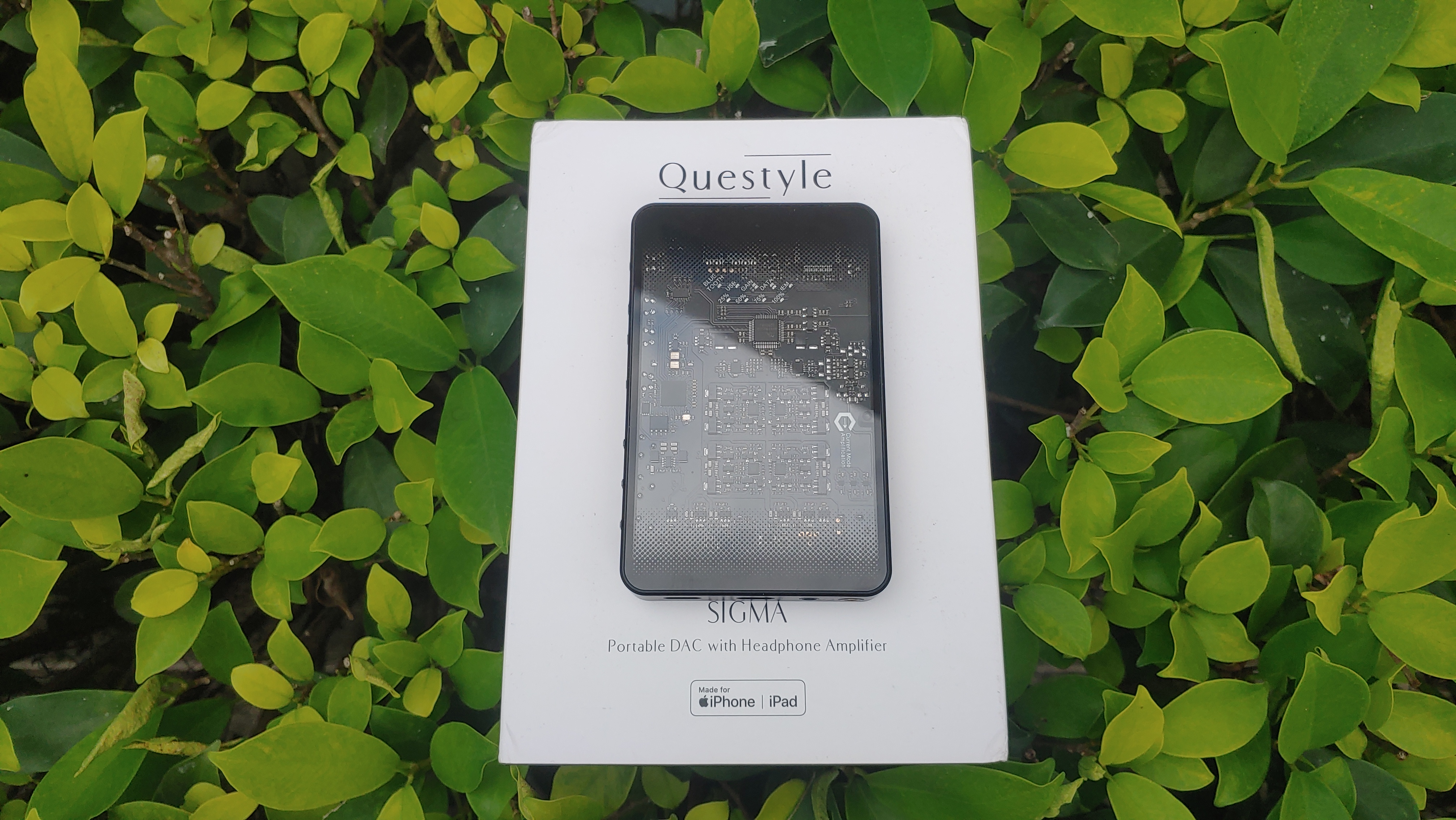
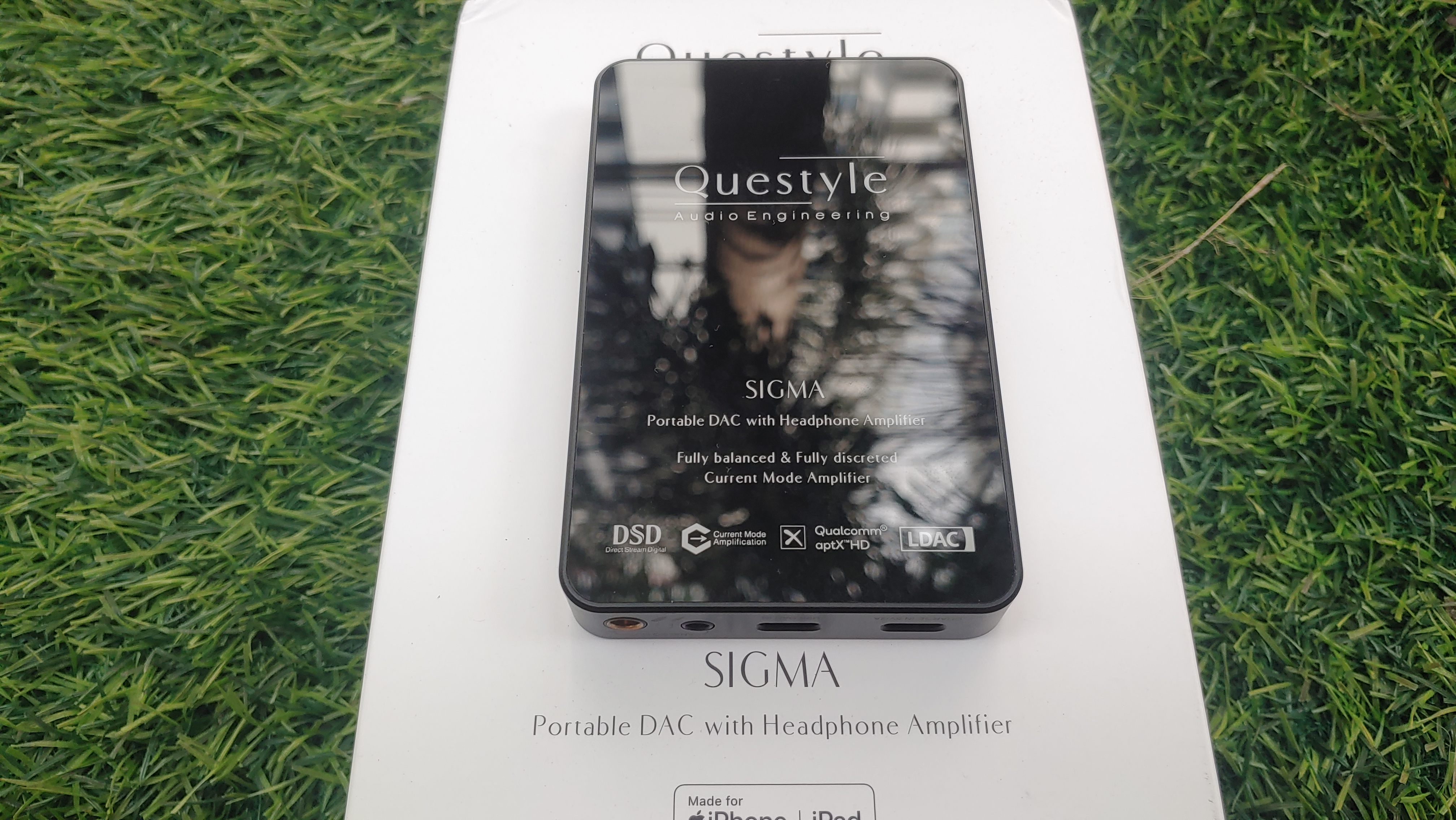
What I have here is QUESTYLE's latest portable device, The QUESTYLE SIGMA, and it is a portable bluetooth headphone DAC/Amplifier. This model has a lot of features that it can offer to audio enthusiasts, either a standard wired headphone amplifier with some new features or a wireless bluetooth receiver with some of the latest breakthroughs of advanced bluetooth audio codecs.
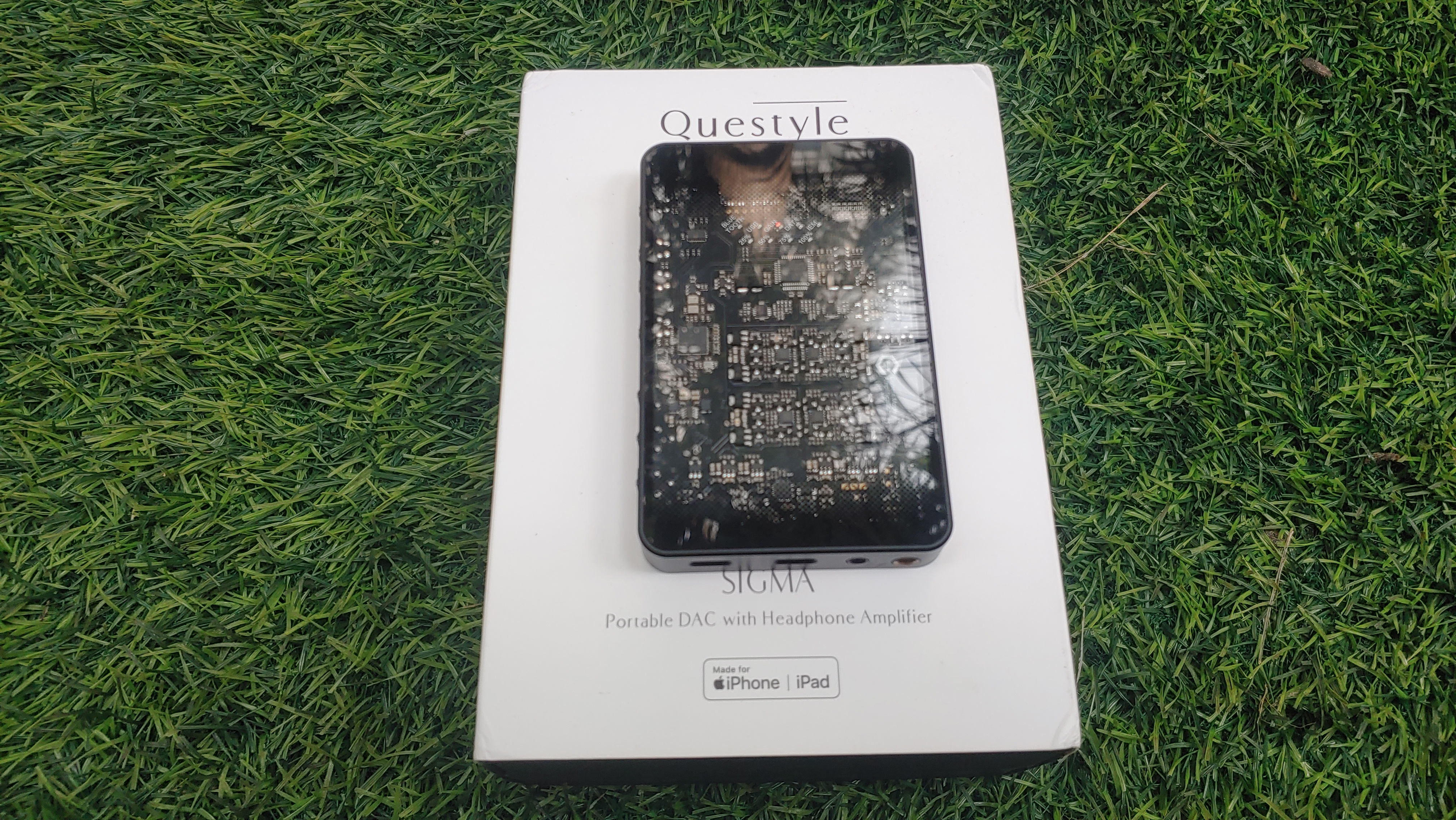
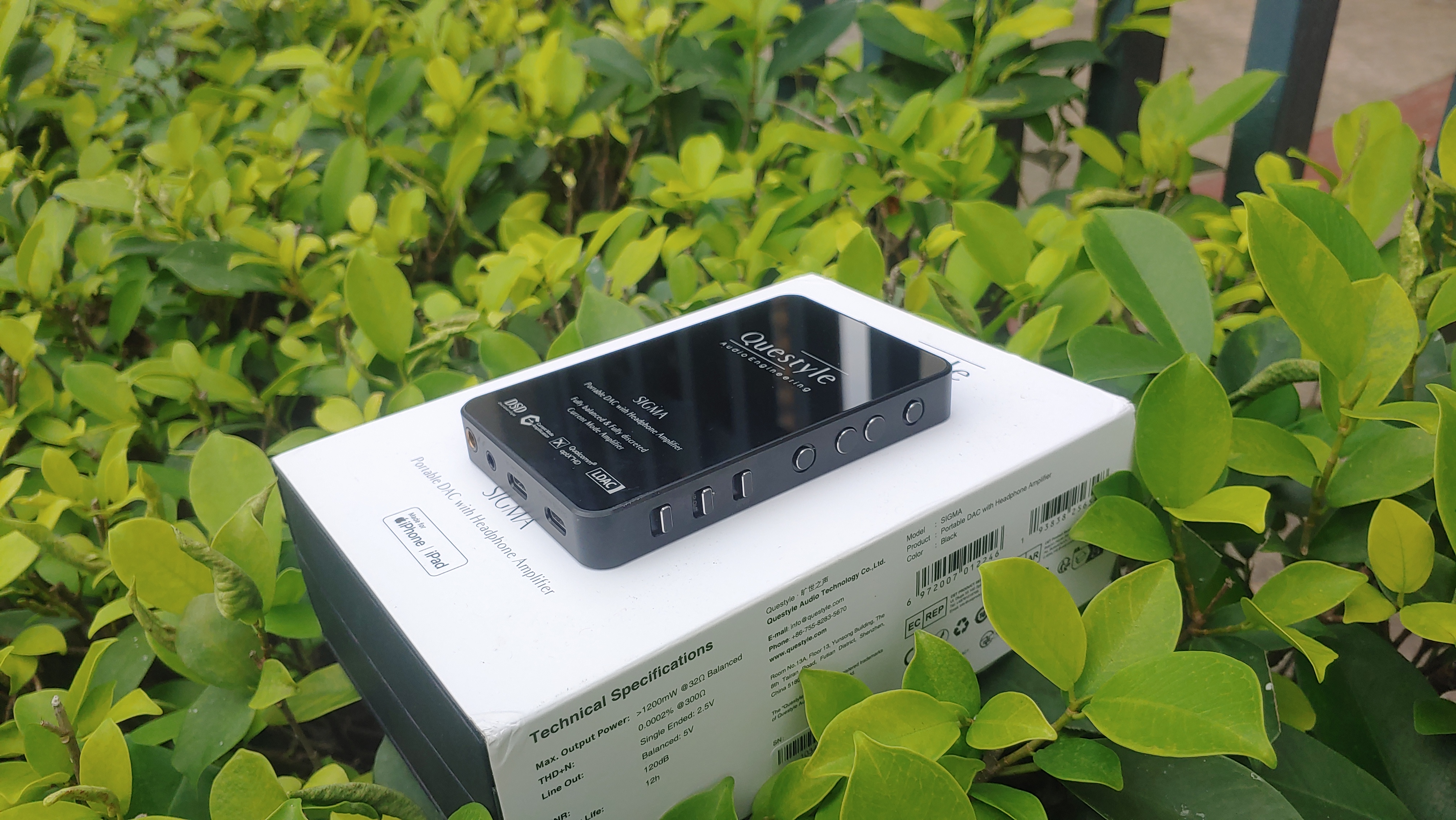
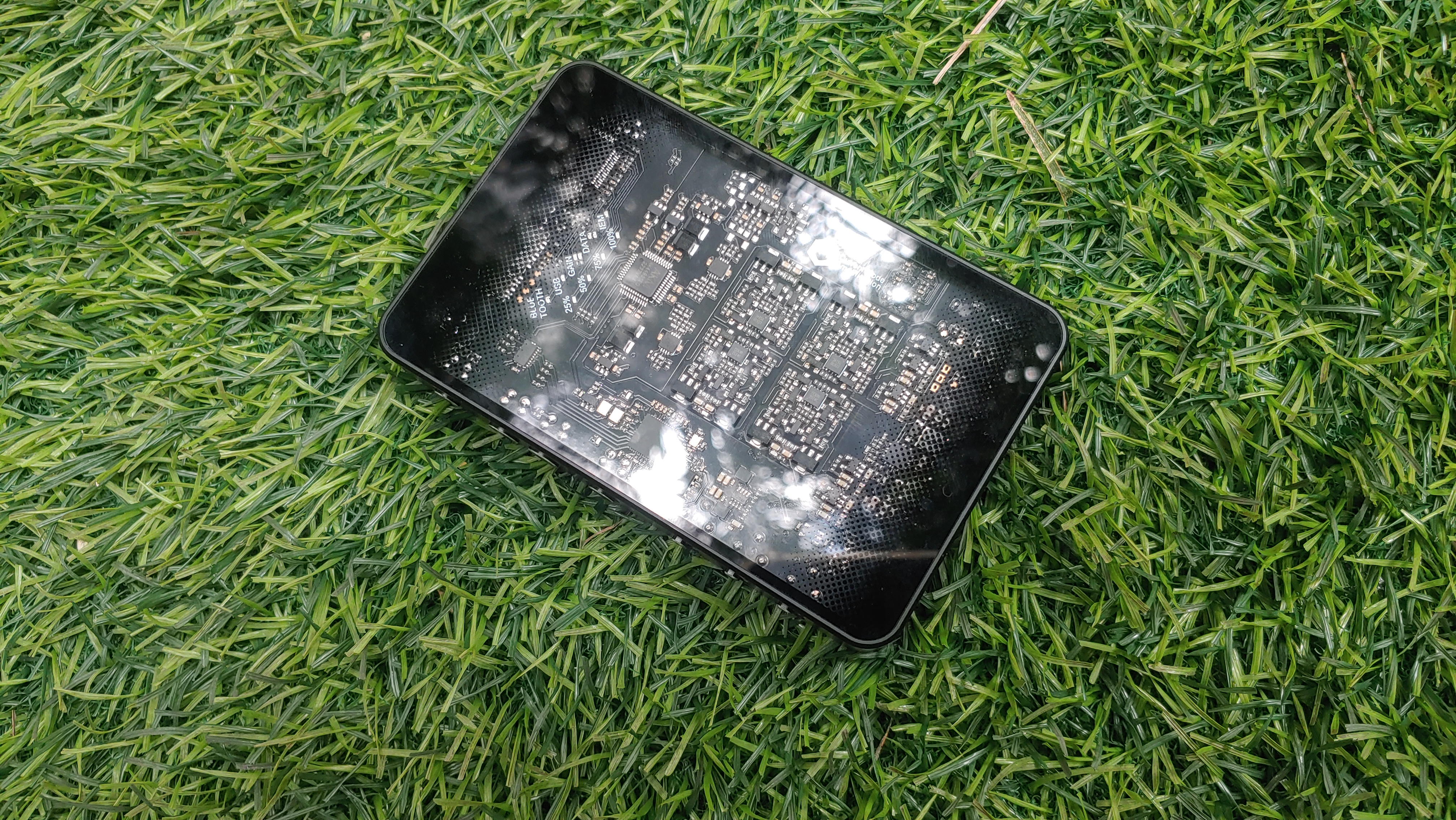
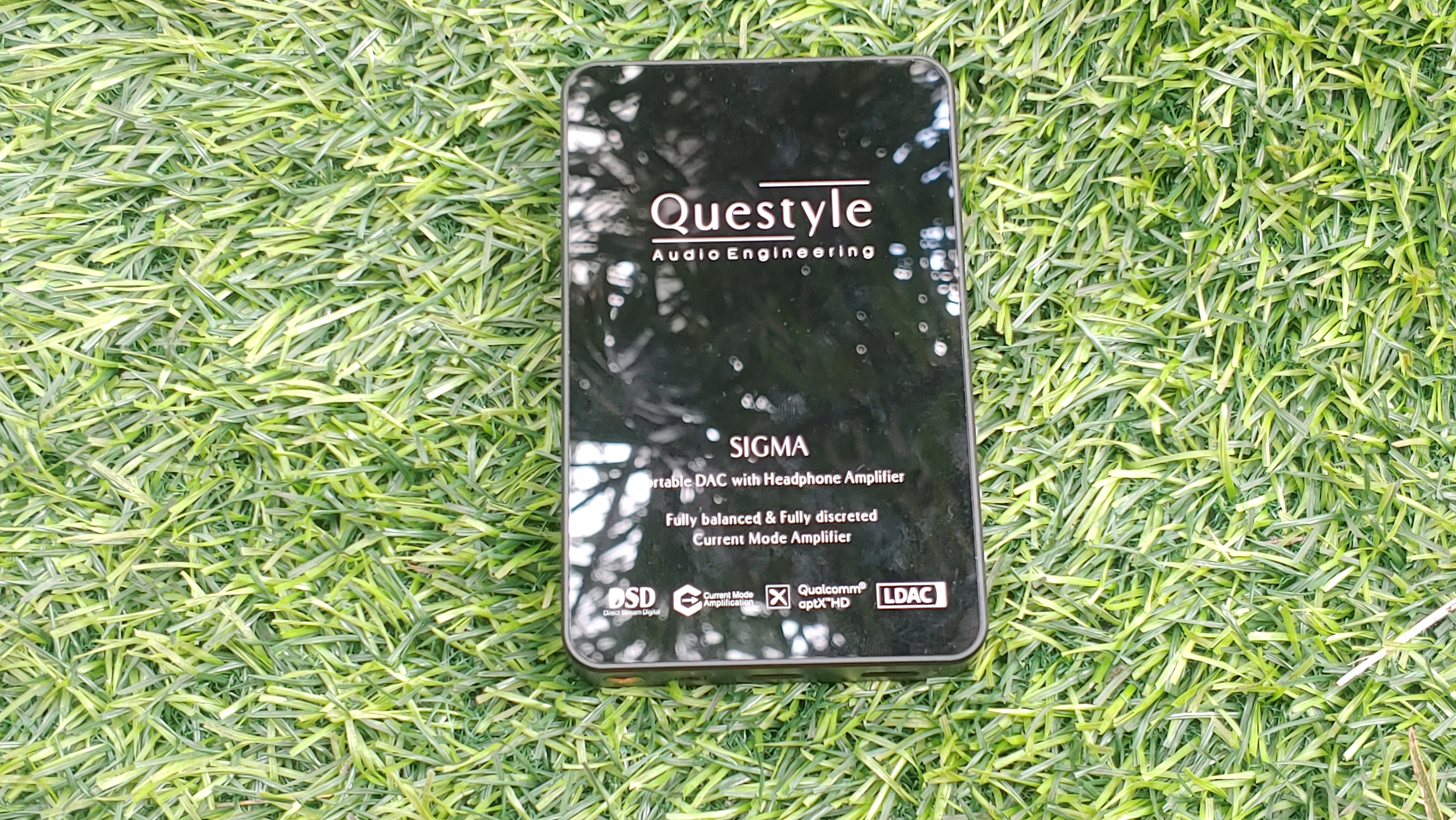
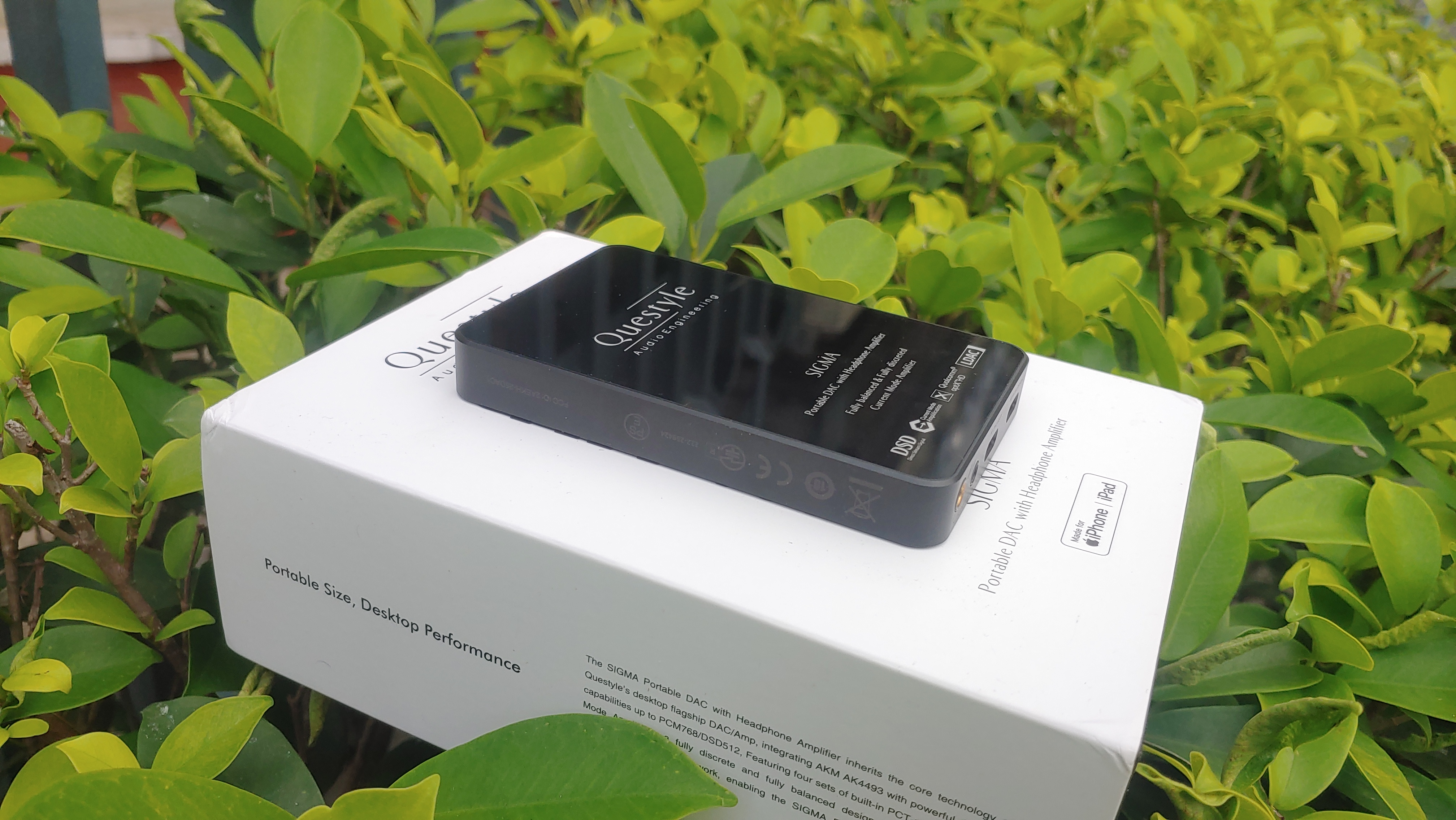
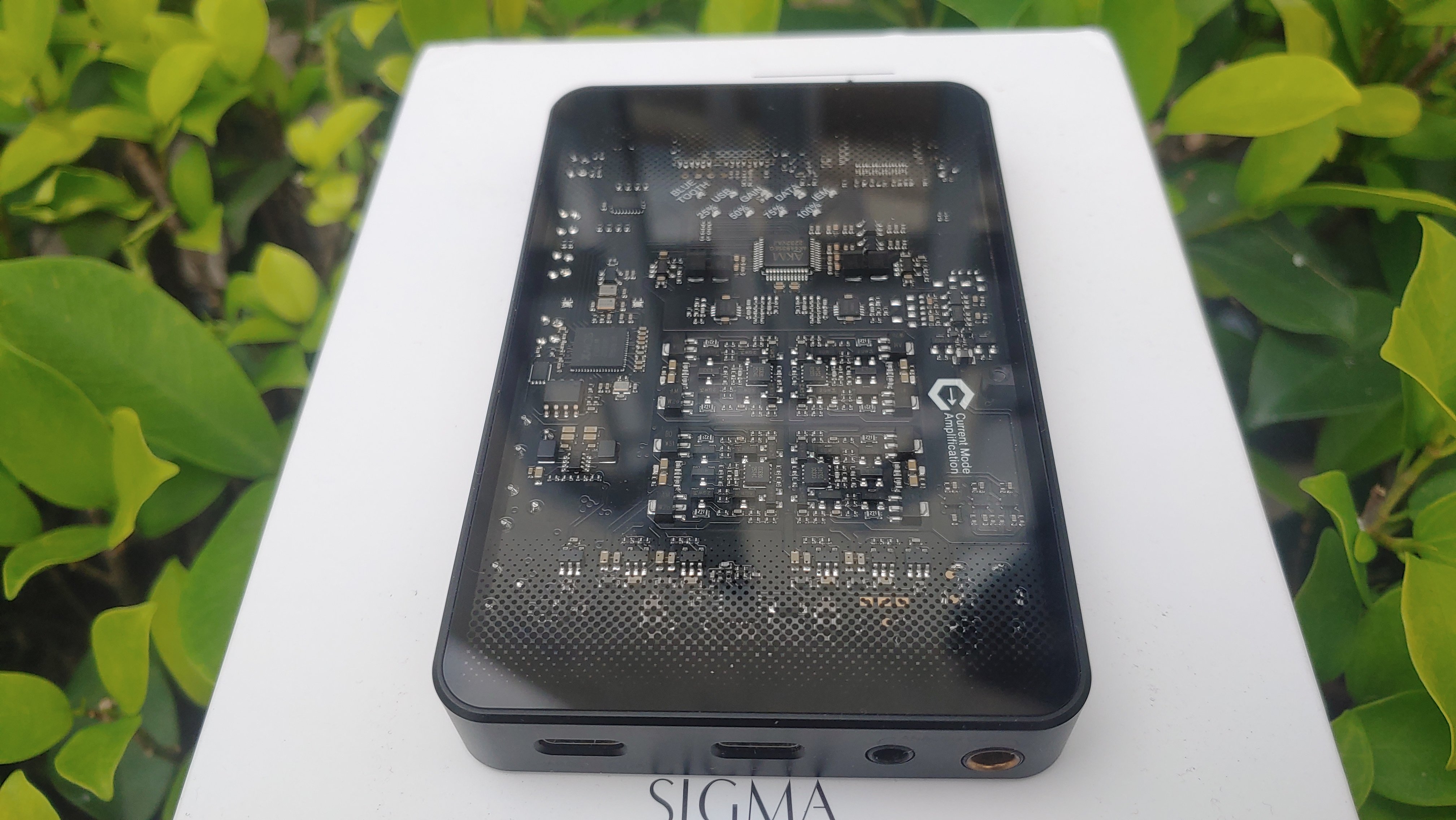
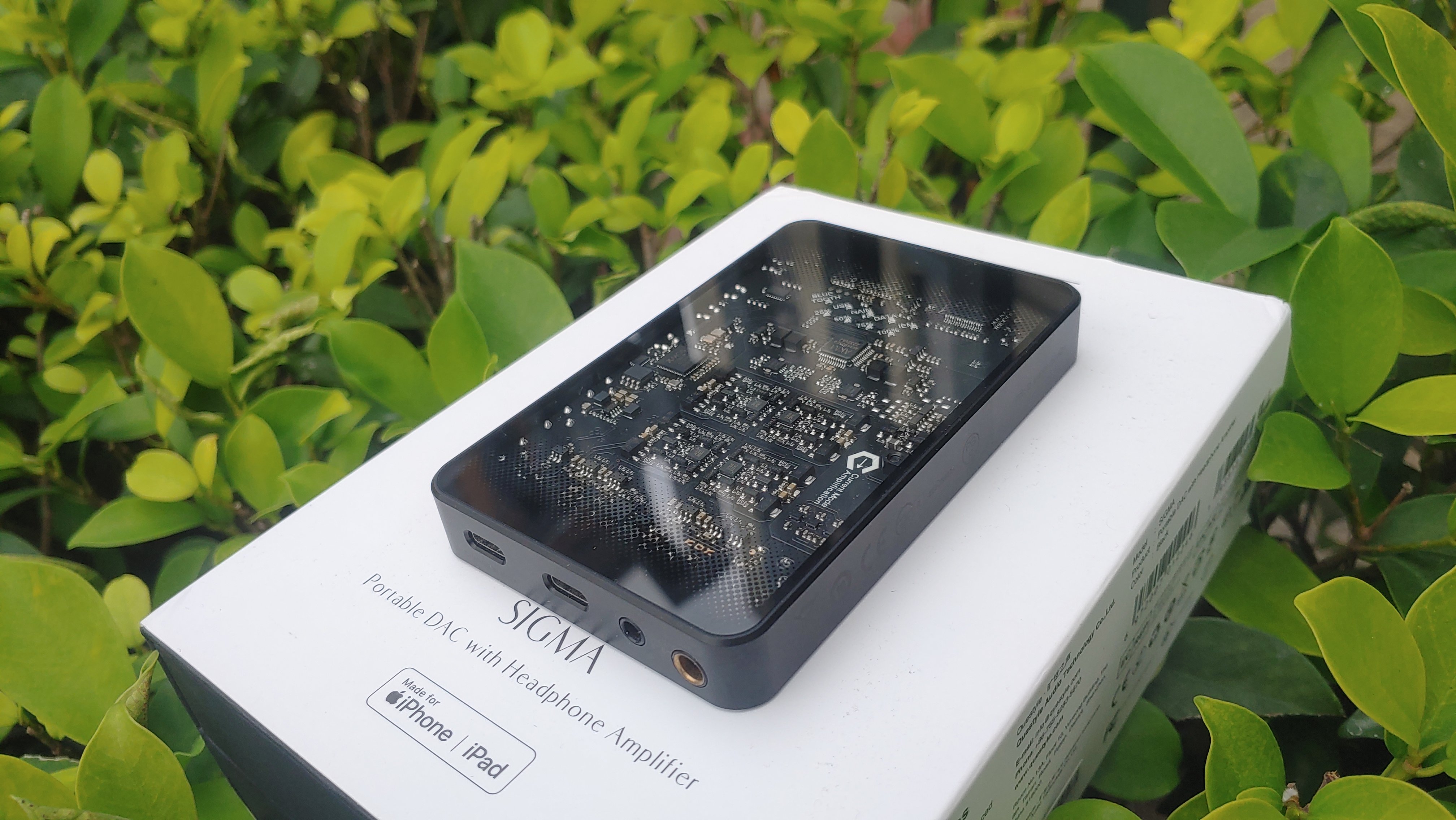
The SIGMA has a rather larger profile compared to most portable USB DAC/Amp dongles but its size offers some functionalities that USB DAC/Amp dongles don't feature due to their limited sizes. The device has rectangular shape with Bauhaus-inspired aesthetic as it has that utilitarian and minimalist appeal and it has a CNC-milled aviation-grade aluminium alloy frame that undergo some process like anodising and sand-blasting to achieve that smooth and matte-like texture on its surface and also it was coated with material that is highly resistant from radio frequency interferences that might affect the overall performance. Both the front and rear panel were covered by high strength tempered glass provided by KUNLUN which is known material that were implemented on some Huawei phones’ glass screen, and it is known for its clarity, scratch resistance and durability as it has good resistance drop.
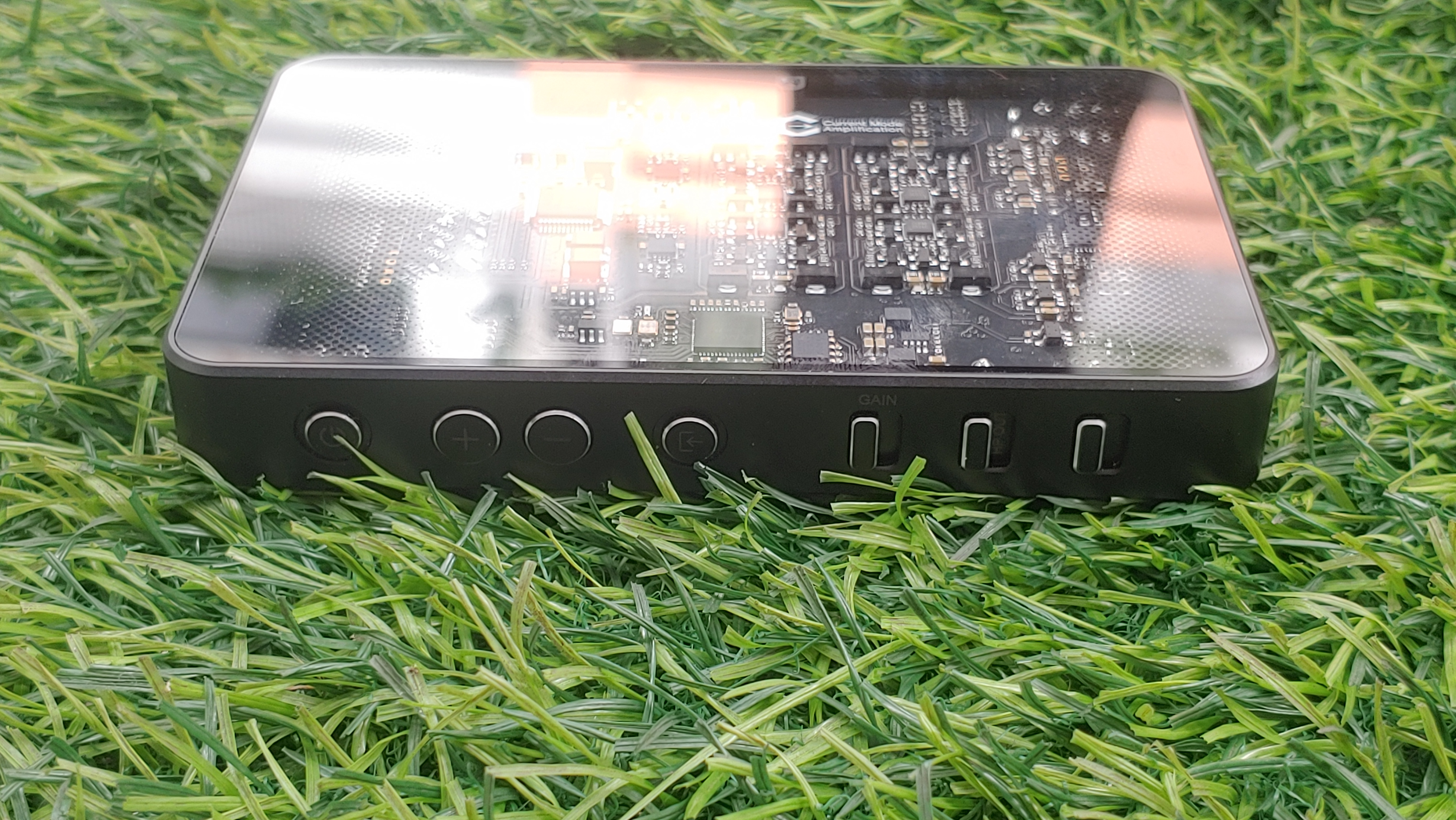
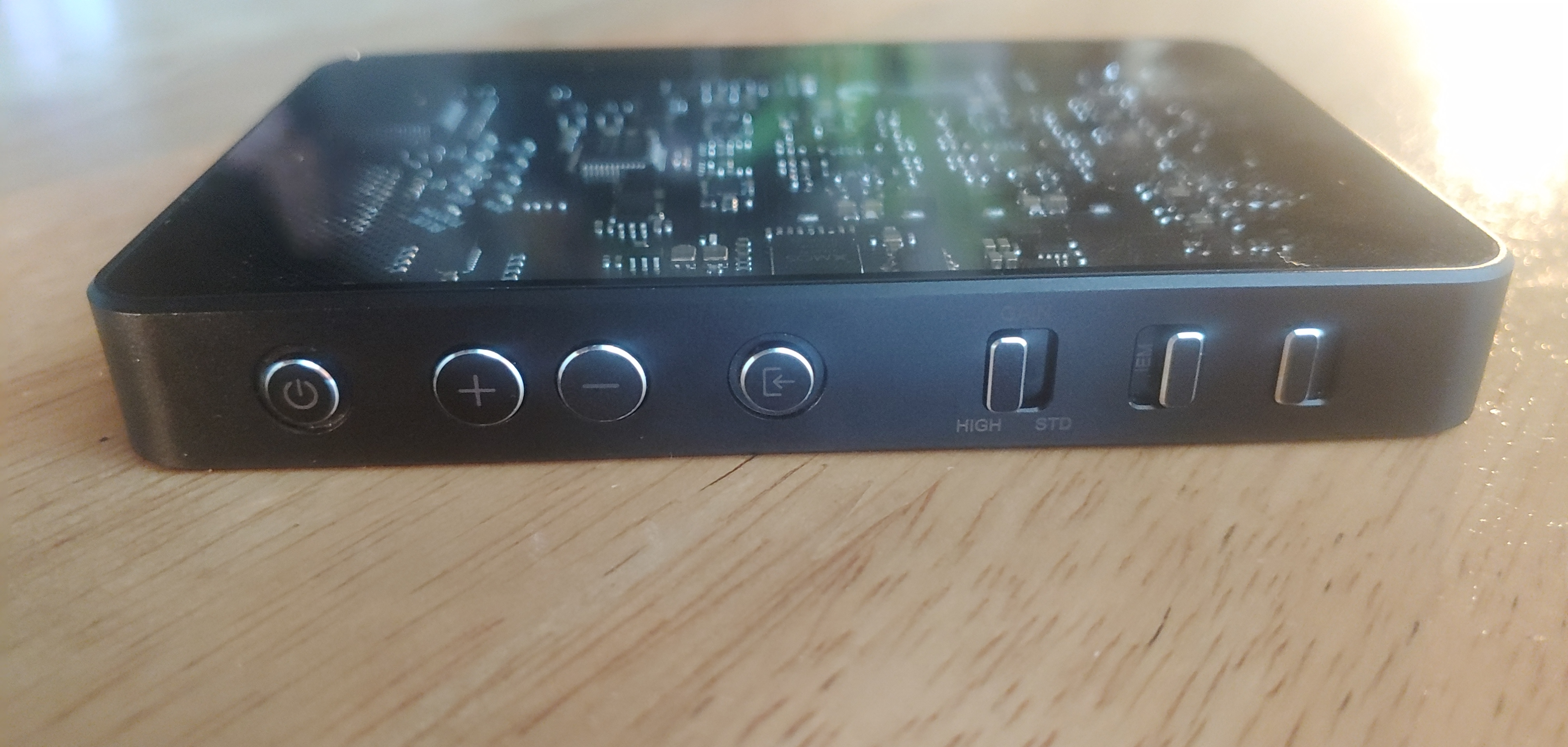
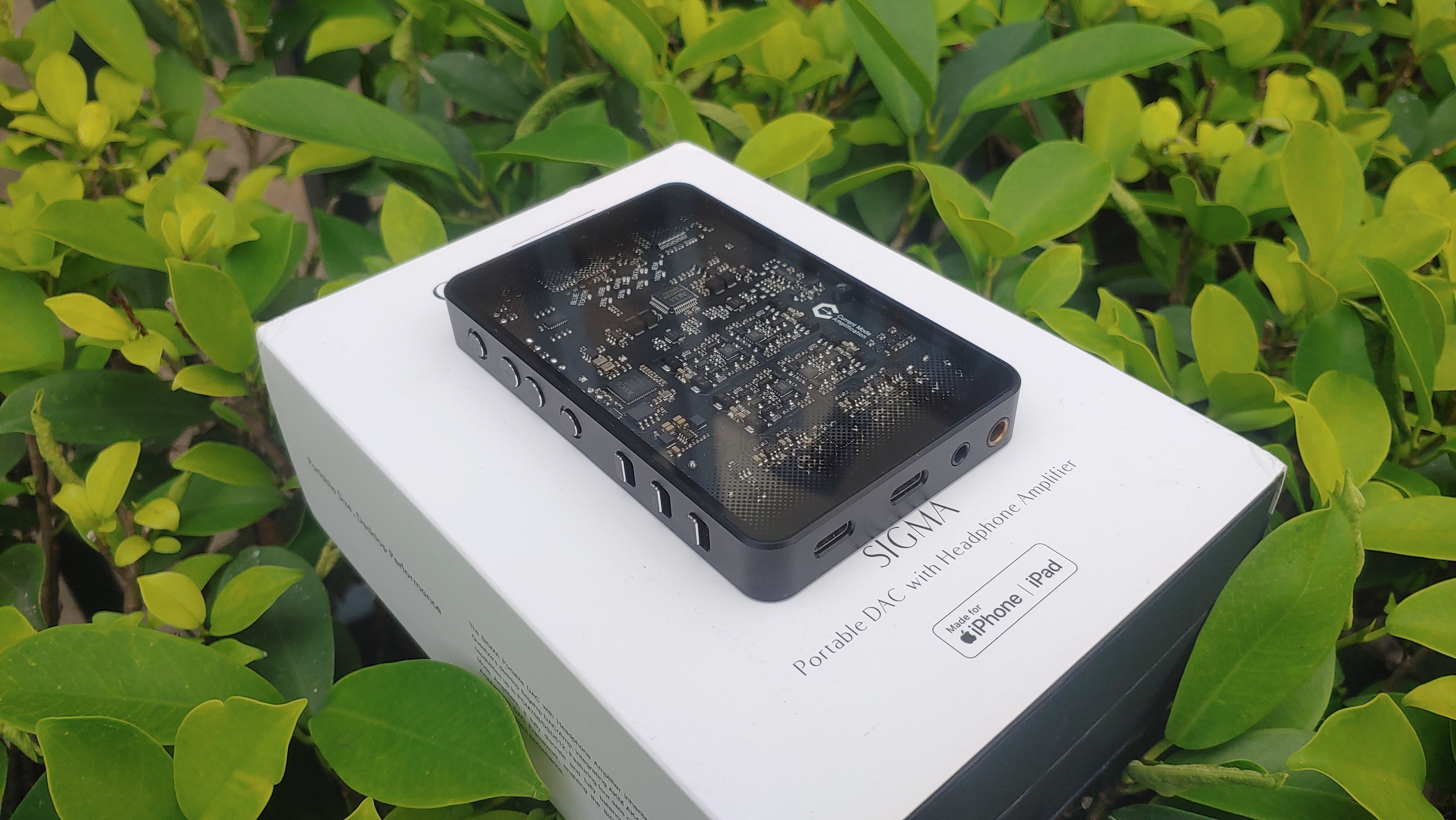
On the left side panel, there are some physical buttons and toggle switches; a power button, increase volume button, decrease volume button, functionality mode button for switching between USB DAC/Amp mode and Bluetooth mode, gain switch (Standard/High), Headphone/IEM mode switch, and lastly, the Lock Switch to prevent any accidental presses. Overall, the build quality of this device is pretty solid, compact that I can simply hold it firmly and feels premium, along with snappy and tactile response on its physical buttons and a firm and nifty switch that satisfying click on my fingers.
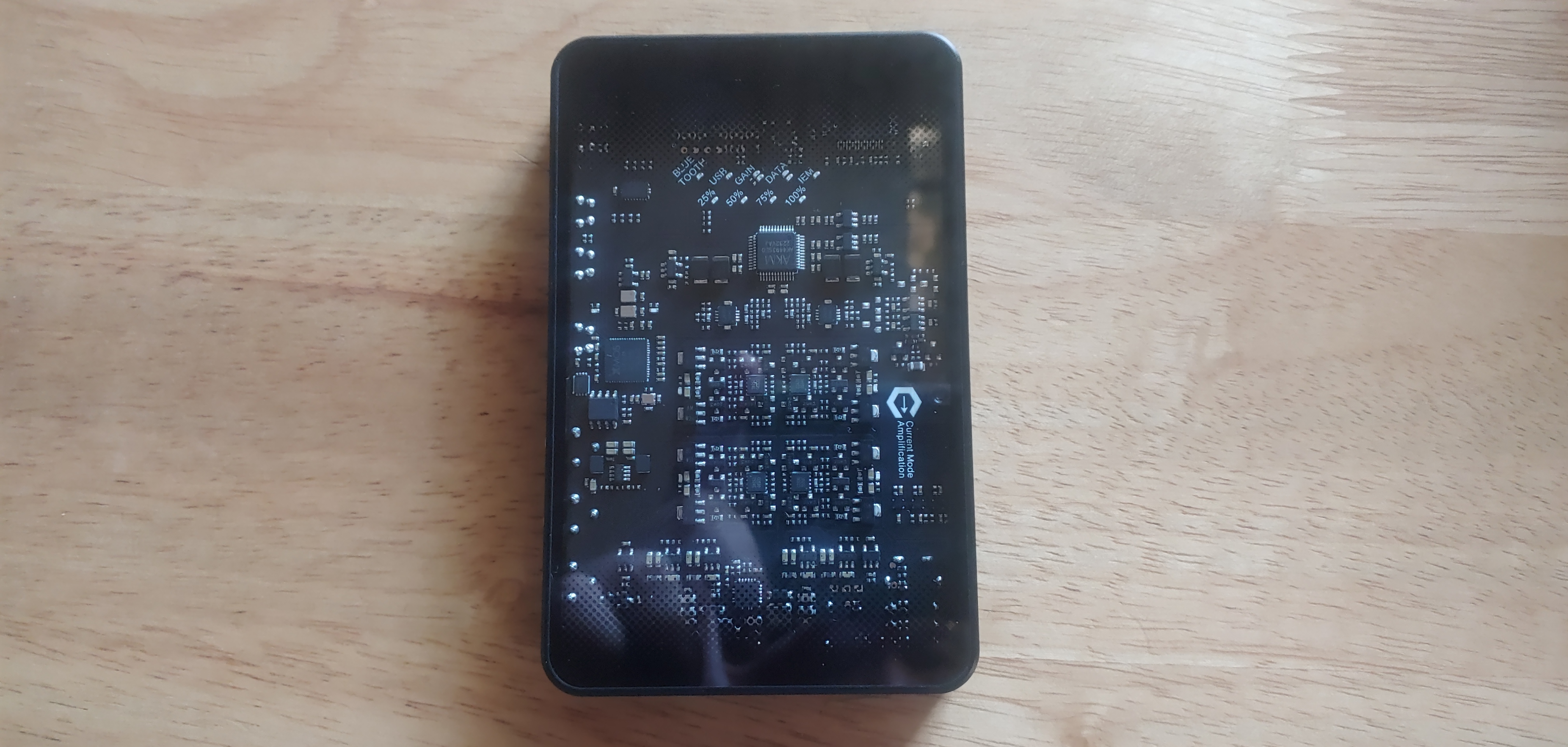
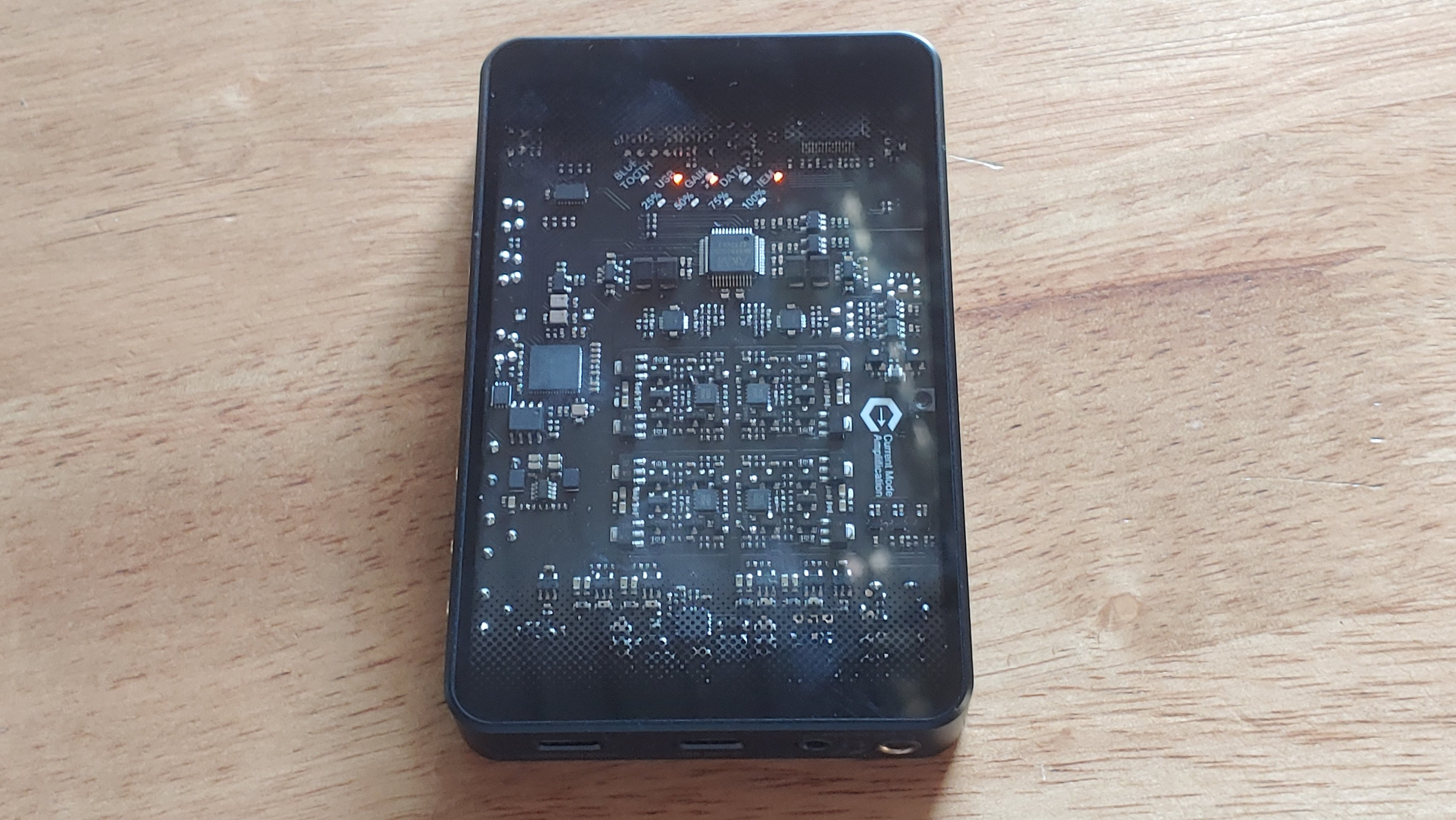
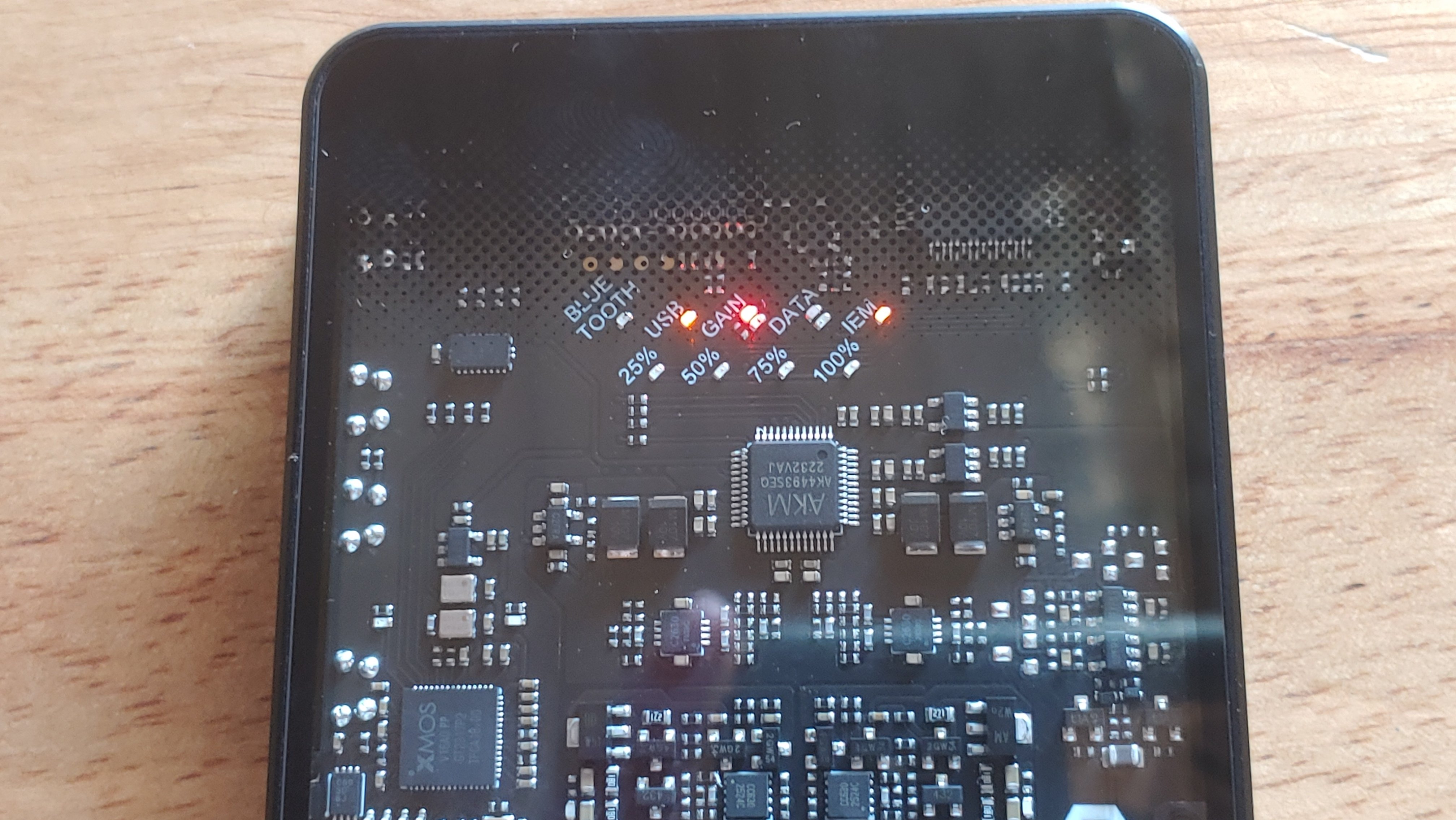
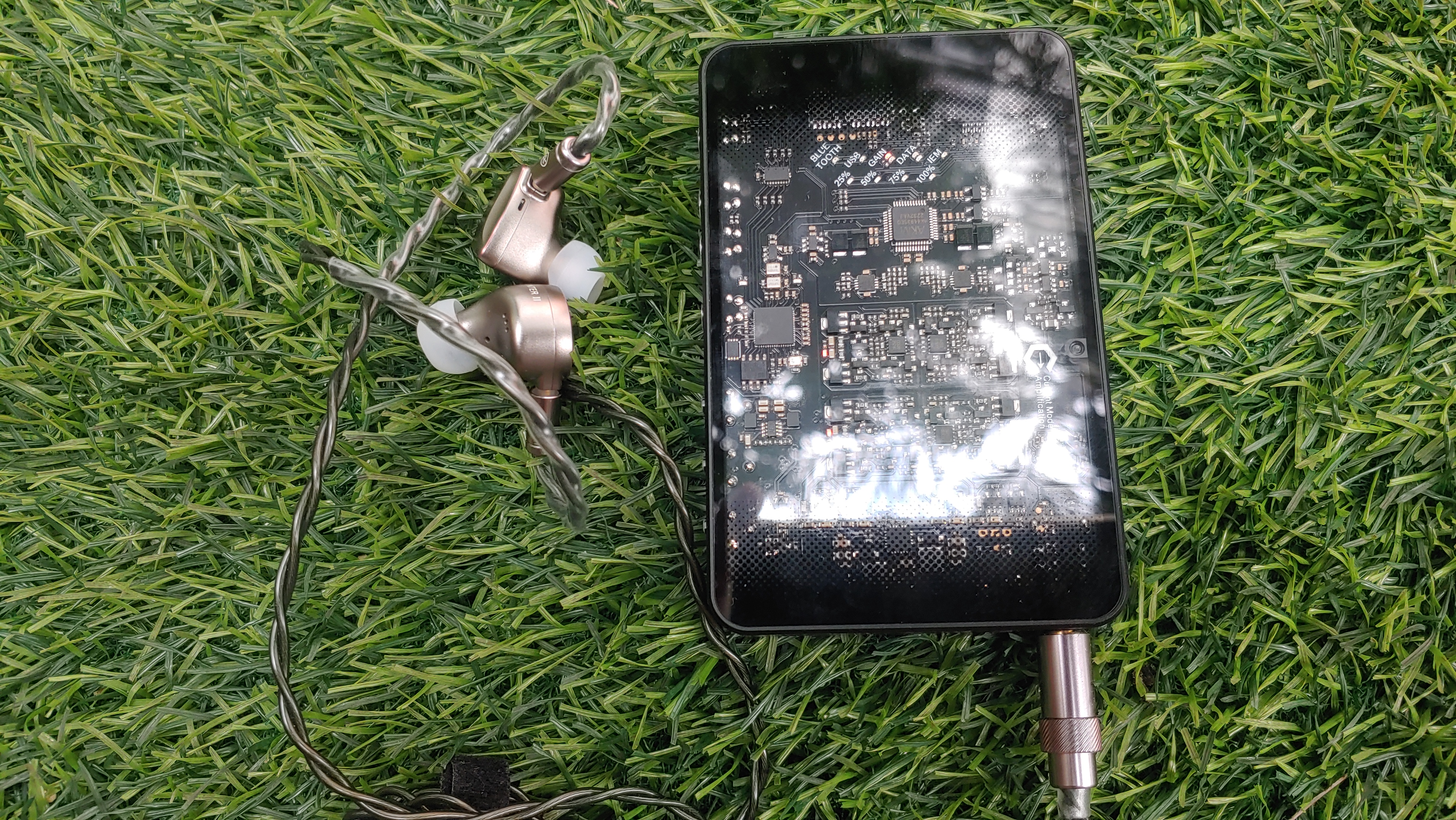
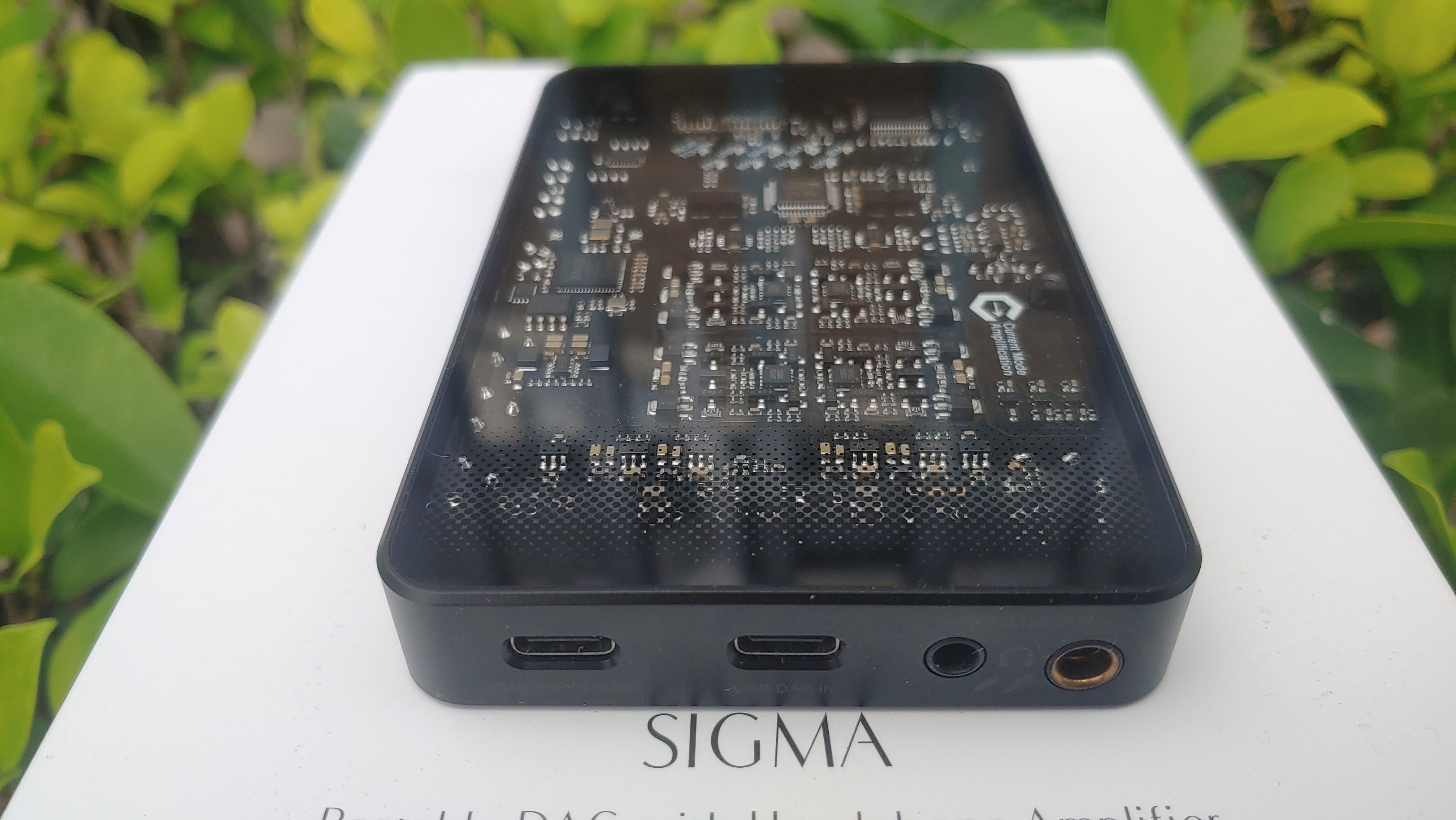
As it has clear front panel glass, we are able to view the internals of the SIGMA, a black coloured printed circuitry board loaded with circuitry paths and electro-mechanical components like resistors, transistors and SiP modules (System in a Package). There are some LEDs that will illuminate and it will serve as indicators on the status of the device.
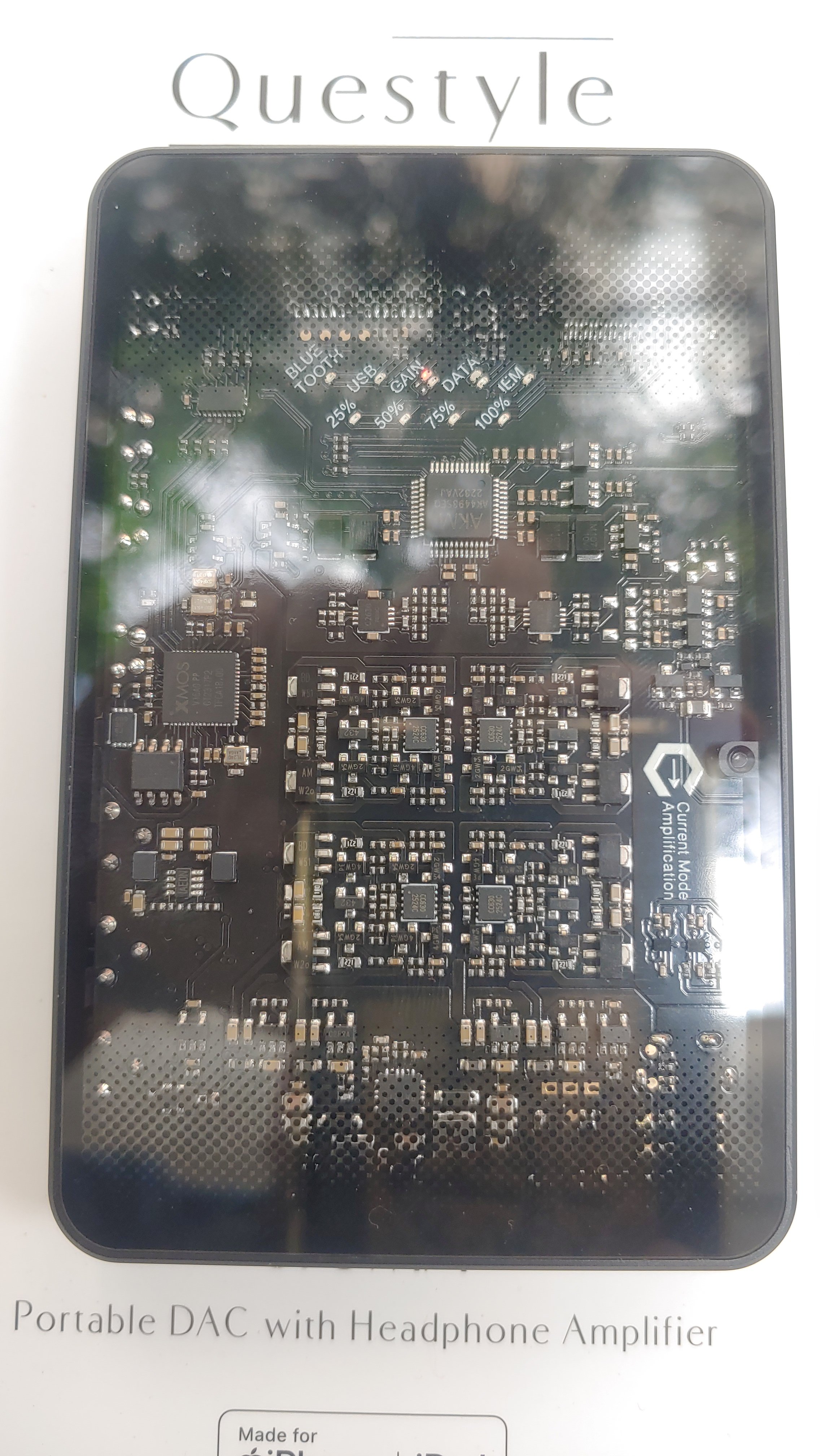
The LED indicators also have some features like blinking and colour changes.
| LED SYSTEM | STATUS MODES |
| Bluetooth Mode | Blinking for pairing search, Steady for paired connection. |
| USB Mode | Activated in orange colour |
| Gain Mode | Red colour on high gain mode, Orange Colour on standard mode |
| USB DATA Mode | Red colour on Hi-res (24-bit/96kHz upwards), Orange colour (16-24-bit/48kHz) |
| x4 Volume/Battery Mode | Indicates the volume level and battery power level based on 100% percentage indicator that were divided into four parts (25%, 50%, 75%, 100%), It will show a blinking orange colour status during charging. |
| x4 Analogue Connection Mode | It illuminates a steady red colour light if the output jacks were connected on either ear bud, headphone or IEM. |
| USB Data Mode | It illuminates a steady red colour for stable USB data connection. |
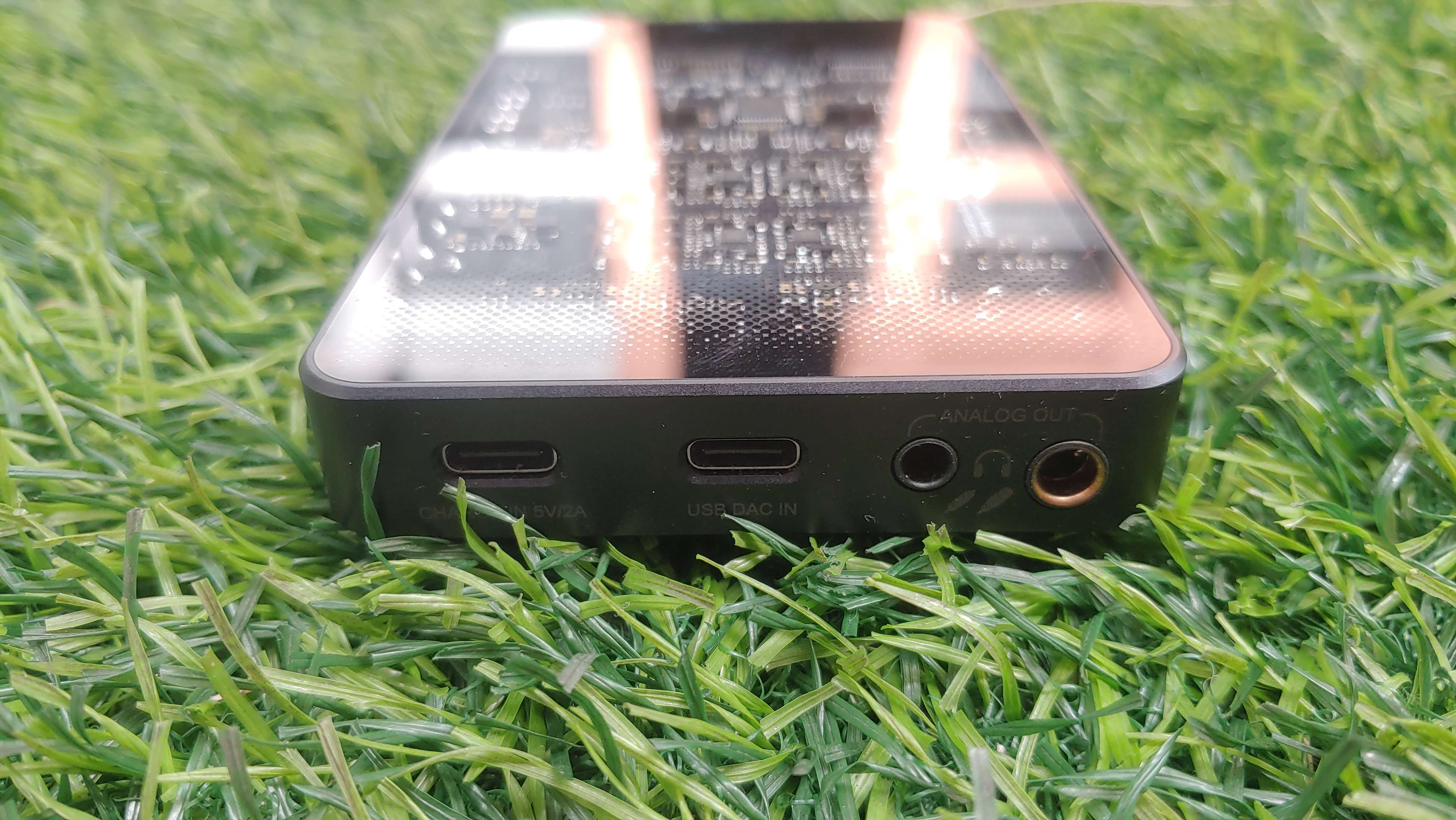
At the bottom part of this device, the audio output interfaces were situated along with USB Type-C ports. The USB type-C that is located in the left side is solely dedicated for charging only while the centre one is for USB Audio decoding that will bypass its host device's built-in DAC chip or USB driver. As usual on its audio output interfaces, it has a 3.5mm single end output jack and a 4.4mm balanced output jack. It appears that it supports a UAC 2.0 protocol that allows faster speed, low latency and better support on hi-res format with high sample rate.
The SIGMA is equipped with a proven and highly regarded audio DAC chip from a well-established Japanese audio solution company, Asahi Kasei Microdevices also known as AKM, and the said model chip is the reliable and capable AK4493 which is I'm quite familiar with as I owned at least two devices with the same chip that I can really attest its overall performance and some of my favourite Hi-fi devices also this one too like the LOTOO PAW GOLD TOUCH and also QUESTYLE's own DAP, the QP2R. The AK4493 is a premium low-powered stereo 32-bit DAC chip and it is quite power efficient, low distortion and capable of projecting a wide dynamic range, along with its VELVETSOUND technology known for its accurate and faithful audio playback with its algorithmic process on eliminating jarring, noise and distortion while achieving a pure, natural and realistic sound quality through some signal optimisation on its DSP. Also, this DAC model is capable of decoding audio signals to its maximum output; up to 765kHz on PCM format and up to DSD512 on DSD.
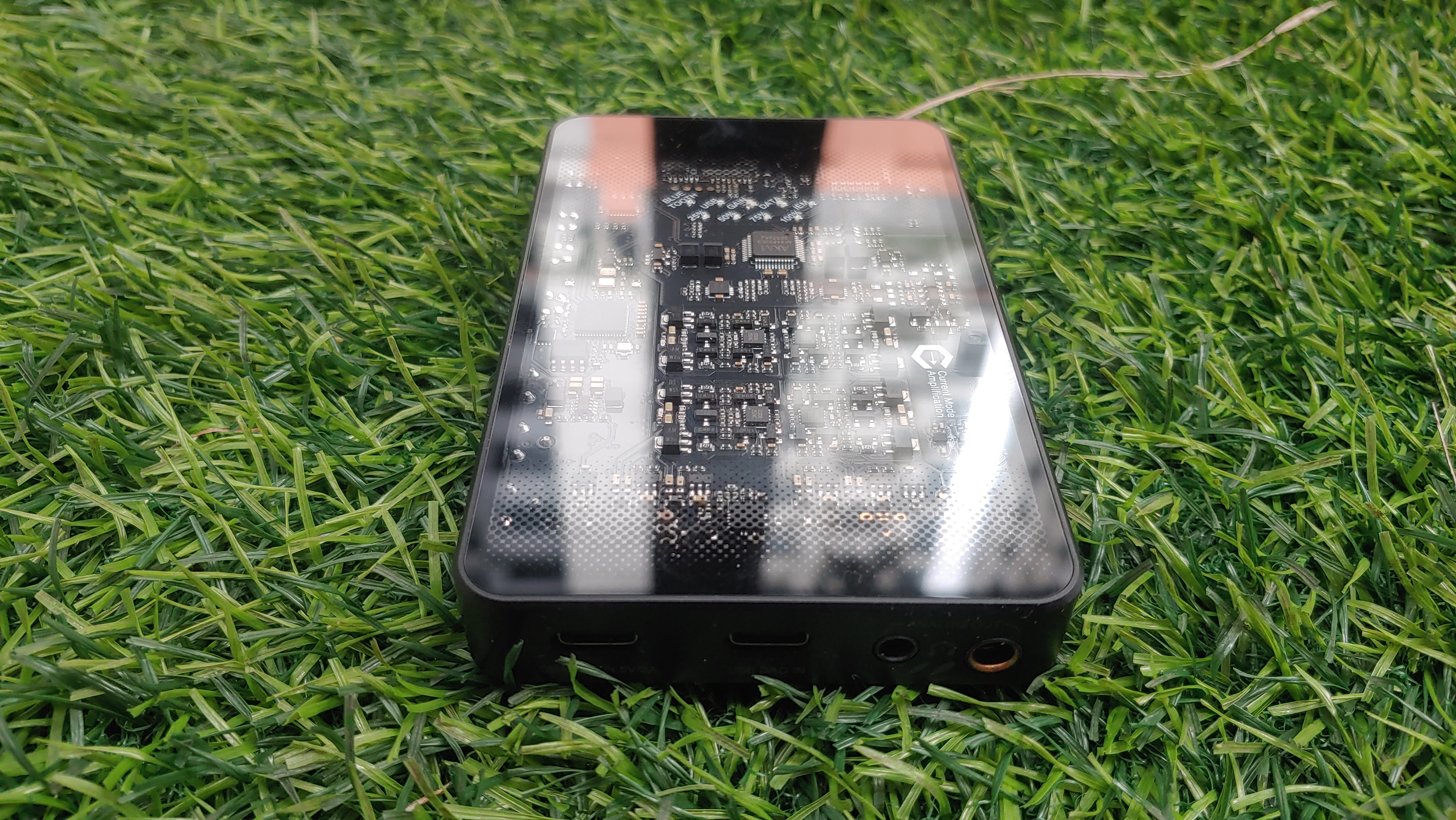
The AKM DAC is also working in tandem with Questyle's TTA (Three-Tier Architecture) framework that delivers a desktop-grade performance as it allows the optimisation on stable connectivity and synchronisation of the DAC chip with other components on having jitter-free and ultra-low distortion as it preserves every detail and nuances for a pure and faithful sound reproduction. It also enhances the performance of CMA Technology as it delivers a more powerful output to drive any headphones regardless of its impedance rating to convey a clean, precise and accurate sound.
CMA (Current Mode Amplification) Technology is an innovative proprietary audio technology by QUESTYLE as it delivers a high performance amplification design that allows to utilise the electric current rather than the usual voltage that most amplifiers employ that offers a purer signal output for an exceptional detail retrieval, accurate and more dynamic and wide frequency response on its overall sound reproduction and ultra-low distortion rating. Another aspect of this technology that allows it to operate the amplification process in a Class A mode with a support of Bias control as it produces a rich, pure and high fidelity sound while managing some heat build-up due to high power draw that most amplifiers have these usual drawbacks.
Another thing that this device also has is a USB processor chipset, a multi-core microcontroller from XMOS which allows on delivering a fast and clear high resolution audio signal through input port that will be processed by a DAC chip.
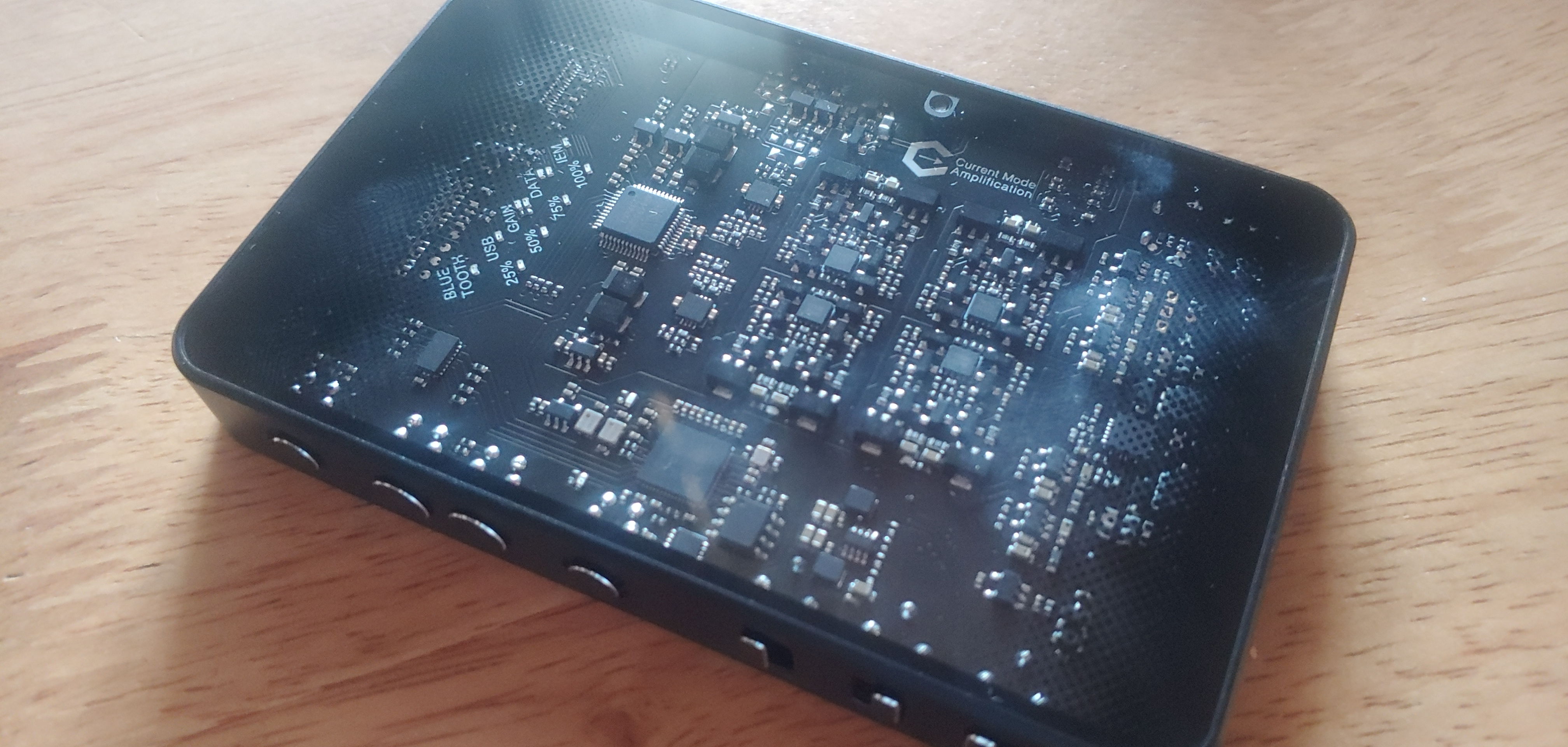
In regards to the dedicated IEM/Headphone mode switch, in the IEM Mode, it will be adjusted into a low impedance mode which is beneficial to IEMs with an ideal low impedance rating and high sensitivity sound pressure as it will have less noise floor for very sensitive IEMs (ahemm…Campfire Audio Andromeda), while on Headphone mode, it will increase its power output impedance as it boosts the current output and to some extent, maximise the voltage output needed for power hungry, high impedance headphones.
The gain mode switch allows us to control the gain power output which is crucial on driving IEMs and headphones with different power impedance and sensitivity pressure. For example, to drive planar magnetics and ceramic-type dynamic drivers, it needs a high gain mode to sound more dynamic and full as these drivers have some components and materials that demand more electric current to move the voice coil and diaphragm consistently. But for IEMs with usual dynamic driver and balanced armature driver, Standard gain will be sufficient as these small transducers are pretty power efficient with minimal power requirement to drive them to its full sonic performance.
As for its wireless connectivity, the SIGMA has a 5.4 bluetooth module from Qualcomm. This bluetooth version improves the wireless connectivity as it improves signal transmission, less latency delays, power efficiency and enhanced security protocols. It supports common lossy bluetooth format like SBC and AAC as these codec formats are only capable of transmitting up to 320Kbps of bit rate which is enough for casual listeners to enjoy their favourite tracks at decent quality but latency issues are more prevalent. The strongest attribute that this device has was its extensive support of advanced bluetooth module codecs in both lossy and lossless formats like Qualcomm's aptX, aptX HD, aptX Adaptive, Sony's LDAC and the latest of the advanced bluetooth codec with true lossless transmission, Snapdragon sound aptX lossless in which can deliver high bit-rate up to 1200 kbps at 16-bit/44.11kHz which is a standard CD-quality (depends on the environment in which you situated as it has some factors). Another thing that I noticed about this device seems to have a strong signal output that even if I went to another room or outside in our house for about 10M, it doesn't drop nor encounter an intermittent connection that affects the sound quality even with an aptX HD or LDAC setting mode.

The SIGMA has a built-in battery with a capacity of 4800mAh and it said that it can do a continuous playback up to 12 hours but in my case, based on the test and observation that I have conducted, in a high impedance headphone in a headphone mode and high gain mode at around 65%, it only lasts around 8 hours in USB audio connection but it is even lesser on bluetooth mode as it only reaches over 7 hours, while in IEM earphones, in an ideal set-up with low to medium volume level of listening in an IEM mode and standard gain mode in USB audio connection, 11-12 hours of continuous playback is likely possible.
HEAD GEARS TESTED:
- SIVGA PENG (320 ohms dynamic driver)
- SENDY AUDIO AIVA II (Planar Magnetic headphone)
- LETSHUOER EJ07 (Hybrid driver low impedance IEM)
- LETSHUOER CADENZA 12 Hybrid driver low impedance IEM)
- HIBY ZETA (Hybrid driver low impedance IEM)
- TANGZU XUAN NV (Ceramic dynamic driver IEM)
- HIBY CRYSTAL 6 MK. II (HIGH IMPEDANCE IEM)
Regarding its compatibility, in the hardware side, SIGMA supports a wide range of modern devices as long as it supports USB Audio playback in the wired connection and also supports bluetooth connectivity like DAPs, smartphones, tablets and laptops.
LIST OF DEVICES:
- LG V40 (USB mode and Wireless Bluetooth)
- LG V50 (USB mode and Wireless Bluetooth)
- LG V60 (USB mode and Wireless Bluetooth)
- iPad (Wireless bluetooth, AAC)
- Pocophone F6 (For Lossless Snapdragon sound)
- HIBY R8II (USB mode and Wireless Bluetooth)
- Lenovo laptop (USB mode)
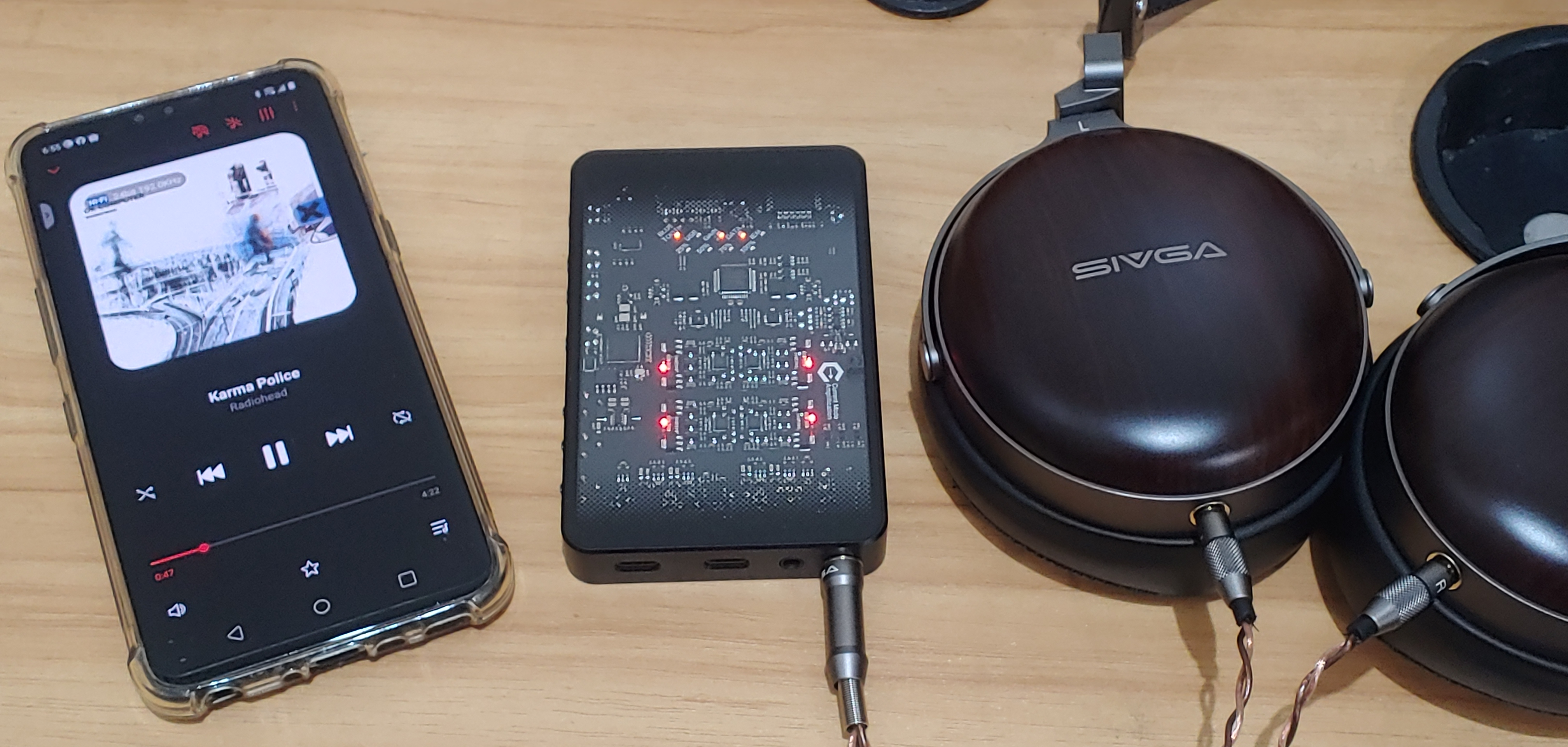
As for its software side, this device supports most of the major known modern operating systems in the market right now on both mobile and desktop that makes it universally compatible for ease to operate.
| OPERATING SYSTEM | REQUIRED VERSION |
| ANDROID | At least version 5.0 “Lollipop" |
| iPADOS | At least iOS 8.4 |
| iOS | At least iOS 8.4 |
| HARMONY OS | Compatible to all versions |
| WINDOWS | At least Windows 10 1083 version |
| LINUX | All distros (Linux Mint works well) |
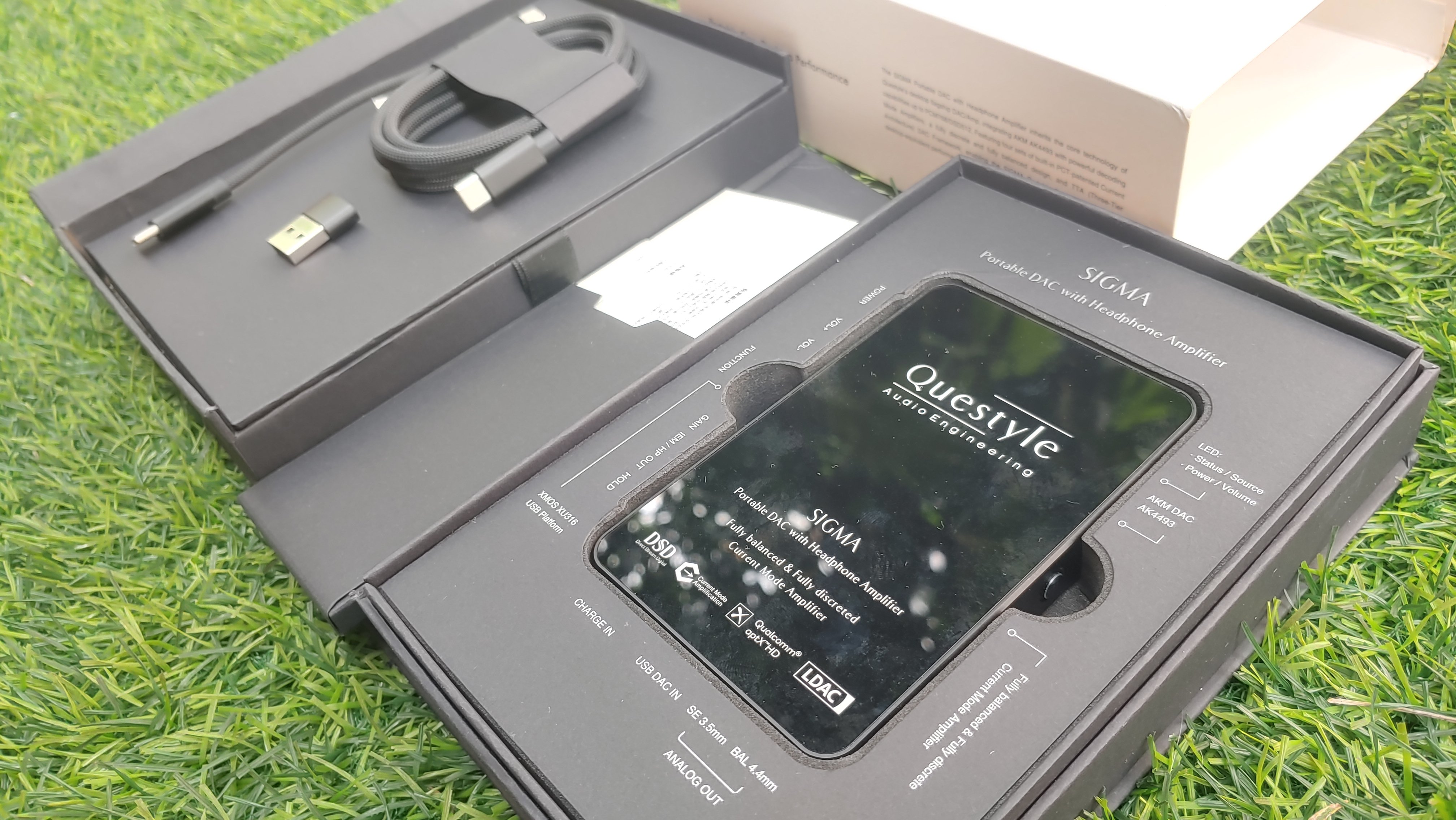
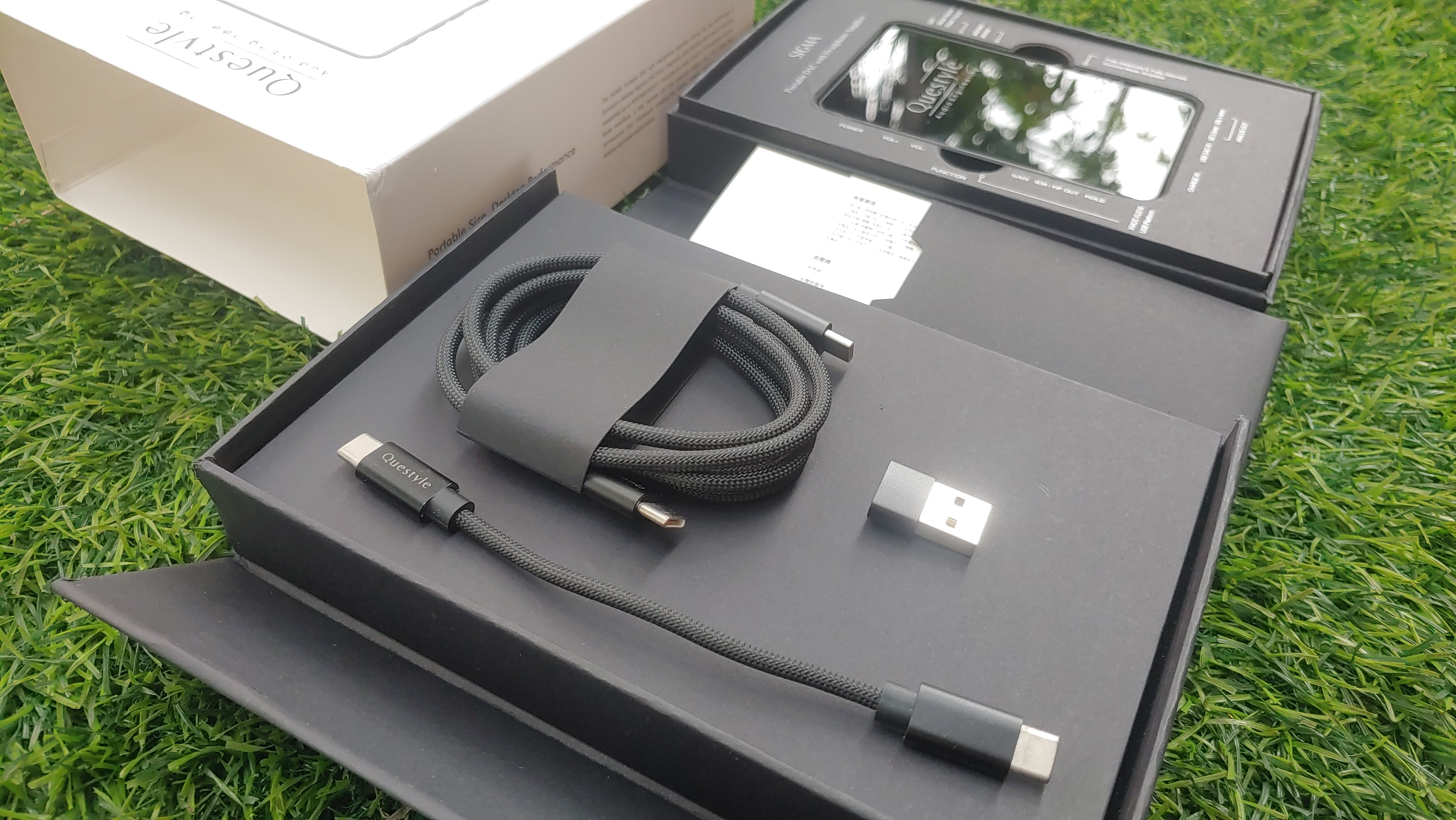
Like all the QUESTYLE models, the product packaging of this one is quite minimalist on its overall presentation and it is sufficiently packed with accessories that I can use with this device in different applications. Although I wish that QUESTYLE included a leather case for basic protection on this portable headphone amplifier.
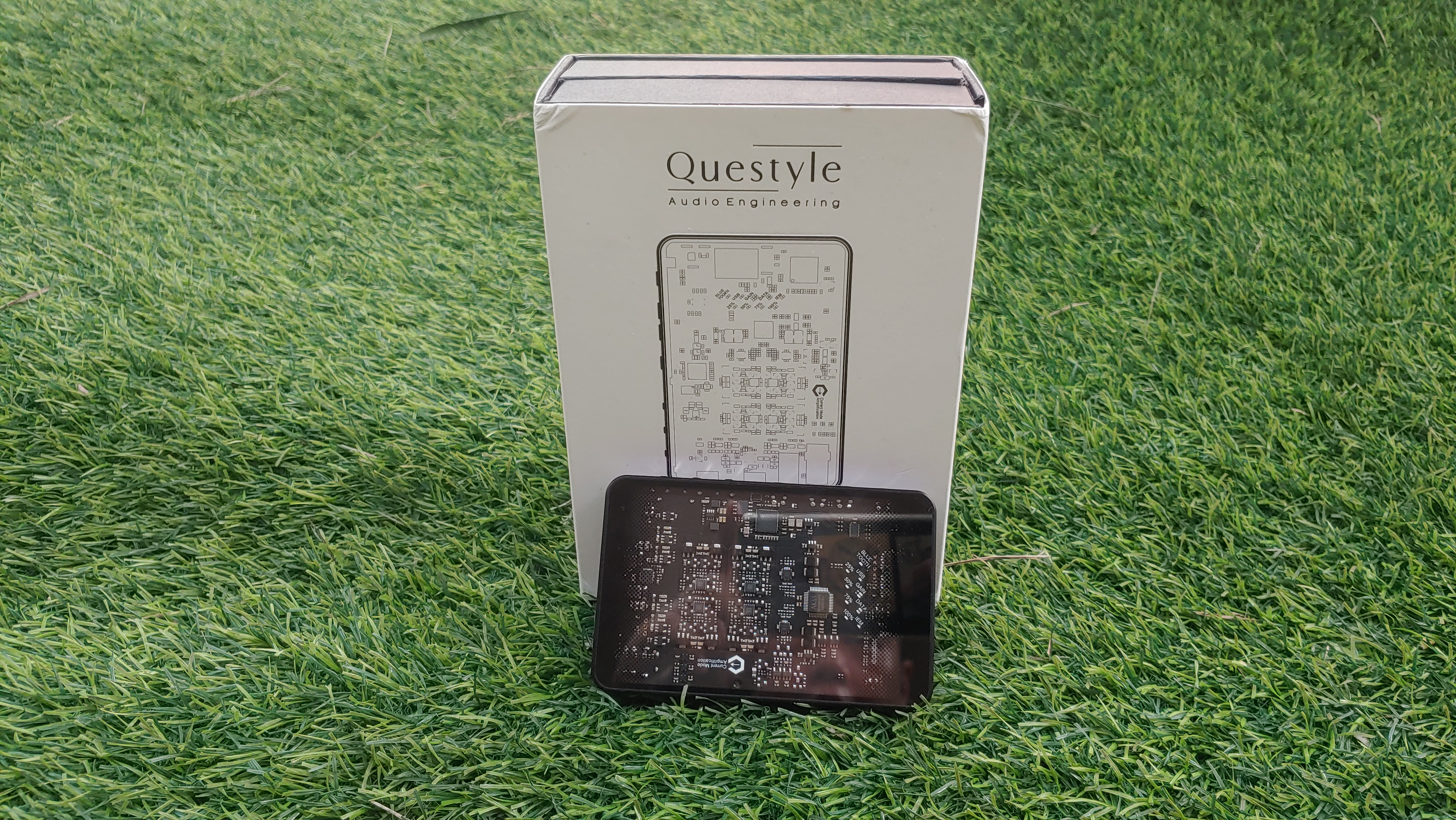
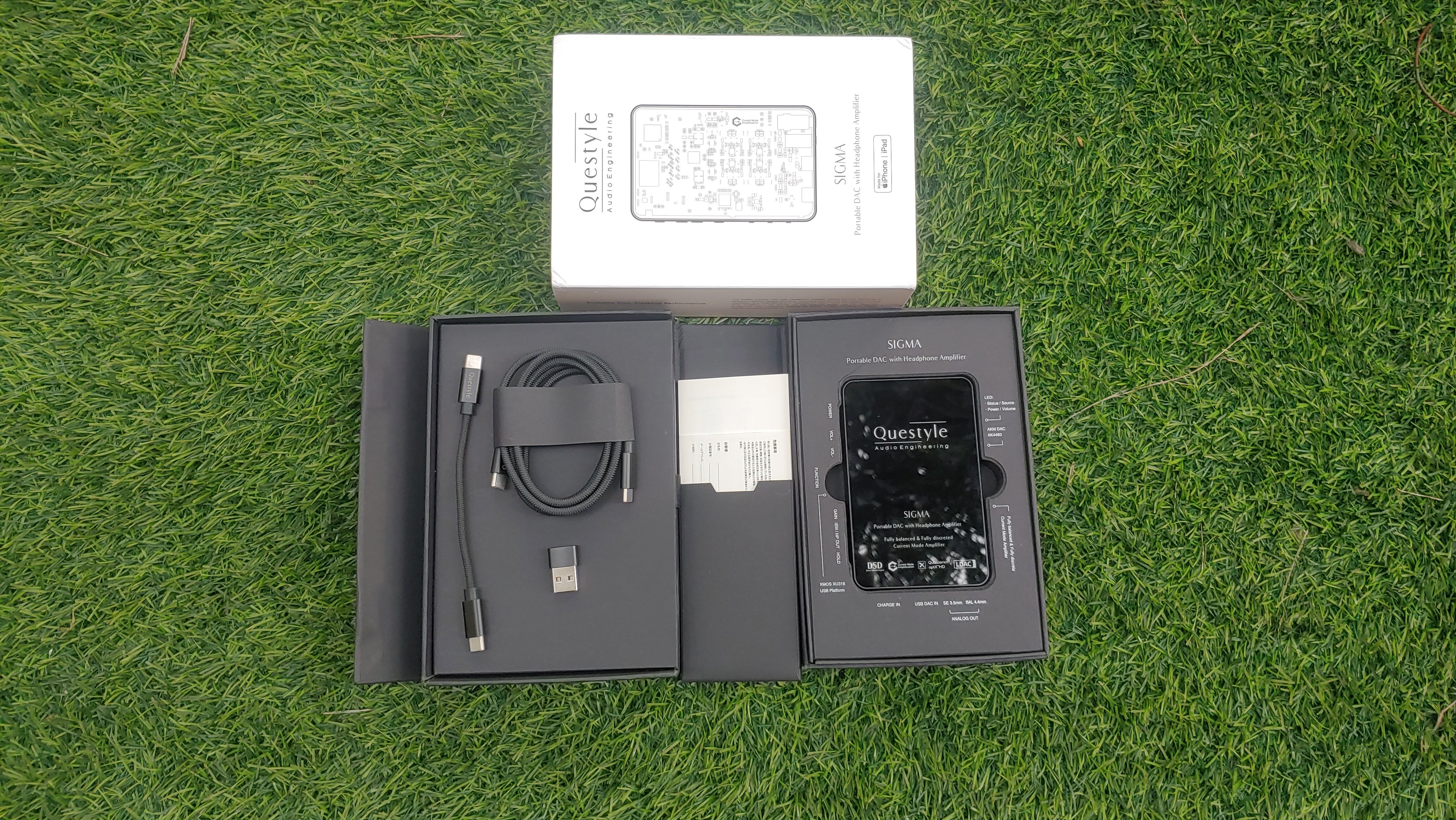
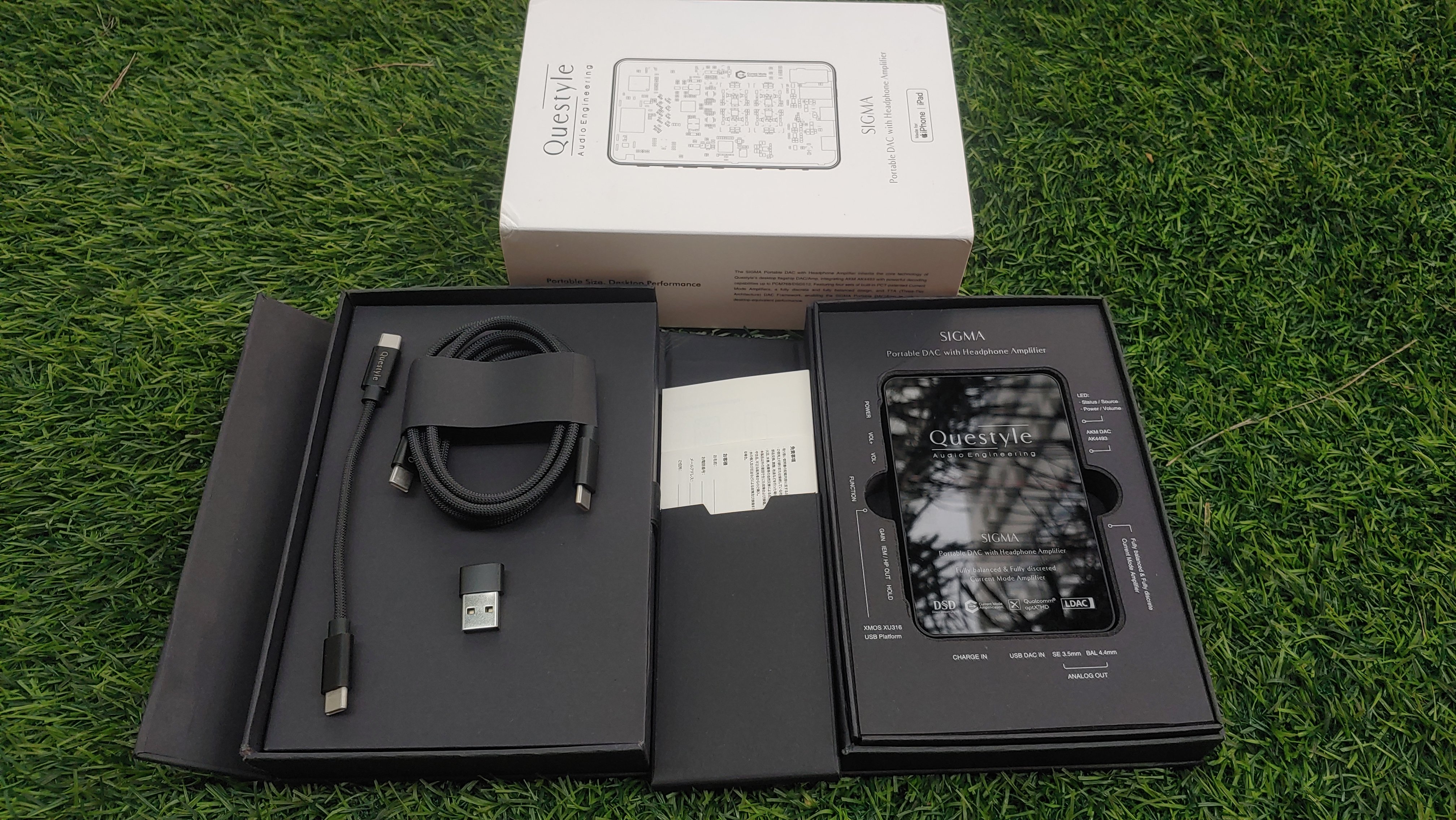
Here are the following contents inside of its packaging box:
- QUESTYLE SIGMA Portable Headphone DAC/Amplifier
- Short USB Type-C to USB Type-C cable
- Long USB Type-C to USB Type-C cable
- USB Type-C to USB Type-A adapter
- Paperwork like warranty card and user manual
When it comes to its general sound profile, the SIGMA delivers a balanced-neutral approach as on how it presents the overall frequency response with an infinitesimal to none of colouration while having a more natural, life-like yet transparent sound on my neutrally-tuned sets. Even on my coloured sounding, I don't hear any unwanted boost on any part of its overall frequency response
LOWS/BASS:
Given of its neutral profile, the overall low frequency response of this one is a well-balanced as it has a deep sub bass presence enough to produce some rumble and reverberation generated from sub bass-focus instruments like synthesisers, drum machines and low-tuned strings like bass guitars and double-basses. There is a notably sufficient texture on its mid bass section to deliver a precise, punchy and impactful bass quality that bass-clef instruments and deep male vocals sounds accurate yet rich and organic.
In that manner, even on bassy sounding sets, not a chance of unwanted mid bass smearing or bloatness that affects the quality of the bass response of these sets as they will sound boomy and muddy that veils and dampens the clarity and detail on vocals and instruments on the midrange and treble region.
MIDRANGE:
As expected for a neutral and accurate profile that defines that reference sound quality, the midrange of this one presented a well-balanced, tidy and somehow transparent with a hint of warmth that gives that smooth and richness on any types of vocals and instruments to sound natural, correct and realistic that also a main feature of the VELVETSOUND technology of the AKM DACs that QUESTYLE fully-utilised its full potential to its extent.
It is also capable of highlighting the clarity and great level of detail on vocals and instruments especially if I paired with neutral-tuned sets. Male vocals have a smooth, velvety and strong presentation while the female singing voices have a powerful, silvery and bright sound in different types of vocal register. On the instrument part, strings like guitars, violins and cellos produce a crisp, clear and cantabile sound correspondingly while graceful, ethereal, airy and mild sound from woodwind instruments like concert flutes, piccolos, clarinets and saxophones. The brasses like trumpets, trombones and horns, they sound full, round ed and ponderous respectively, while the percussives have those incisive, sonorous, sombre and deep sounds coming from snares, tom-toms, field drums and kettledrums. Meanwhile on the pianos, depends on the type on piano that was used in the track during its recording, it can be sound leaner and balanced tone on the upright types or a full, rich and warm sounding on the grand ones like Steinweig/Steinway and Bosendörfer in which this device could portray them in a realistic and accurate manner.
HIGHS/TREBLE:
Again, as this device will reproduce the overall sound profile as neutral as it can convey, the quality of its treble reproduction is smooth, even and airy that it won't add any colouration or unwanted peaks even if I paired it with a neutral-ish bright IEM. This kind of refinement of its treble presentation only to be found on the high midrange to TOTL models of DAPs and desktop headphones amplifiers as on how it delivers a reference grade-level of resolution, precision and illumination in a very intricate manner that I don't encounter any issues like shrill, stridency and artificial sharpness.
In the brilliance section in which I previously mentioned it regarding its airiness, this device is somehow capable of enhancing some airy presence in a perceived sonic landscape that my LETSHUOER EJ07 which isn't known for its air extension got some slight boost from it. As to how it presents some treble-clef instruments, if I paired this device in my neutrally-tuned sets, cymbals have some sufficient lustrous and brilliance sound on them, while celestas have a silvery sound and the glockenspiels sound shimmering.
OVERALL TECHNICAL PERFORMANCE:
The SIGMA offers a desktop-like technical performance experience that it truly outshines most of my Hi-Fi gadgets like DAPs, USB headphone DAC/Amp dongles or a few on my desktop DAC/Amps. Even other QUESTYLE portable headphone DAC/Amps in my collection like M15, M15i and M18i, this device is definitely on a different level and it is superior in any aspect. It is capable of projecting a spacious soundstage as it presents a wide horizontal reach, tall height ceiling and range of its depth on its front to rear distance that also improves the layering to be even more well-defined and the better spacing of distance cues on separation of musical elements in a clean, pitch black sonic canvas.
This device is highly competent on its resolution capability as it has a firm and consistent macro-dynamics that emphasises the varying degree of volume scale from quietest up to the loudness level on instrumental passages and chorale sections, in contrast with its sharp definition on its micro-dynamics in which highlights the fine details, nuances and grains from an audio track like reverb tails, notational attacks and vocal decay time.
When it comes to amplification rating, the SIGMA is indeed a powerful device as it is capable of delivering a maximum power output of 1200 mW @ 32 ohms in a 4.4mm balanced port and in line out; a 2.5 V on 3.5mm single-ended and 6.8 V on balanced. With those eye-boogling power outputs, it can drive even the most power-hungry high impedance can without a hitch.
PEER COMPARISONS:
QUESTYLE M18i
- The latest model of the QUESTYLE's M-series line-up and it has most of the functionalities from SIGMA in a smaller form factor.
- Given that it's more of a USB headphone amp dongle type of portable DAC/Amplifier class, it has a smaller profile compared to SIGMA but it is made of aluminium alloy with small OLED screen and some physical buttons and toggle switches.
- On its button key layout, It has a single toggle switch for three device modes, a button key for Gain/MFB, two button keys for volume control and another one for power on/off.
- It doesn't have any LED status indicator but at least it has an OLED screen to view status modes like volume control, battery level, bit rate mode etc.
- Like the SIGMA, it has a 3.5mm single-ended, 4.4mm balanced and two USB Type-C ports.
- It uses a standard mobile DAC chip from ESS, the ES9219Q, which is known for its reliability and high performance with low power requirement, capable of decoding up to 384kHz on PCM and DSD256 on DSD.
- It has a small built-in battery that gives a disappointing playback time of just barely 2 hours but at least it has a bypass option on USB audio mode.
- This one has a warmish-neutral sound profile as it gives a bit of a punch and incisive on the bass response, a well-balanced with a hint of warmth of its midrange enough to give a slight rich and depth on both vocals and instruments to have that sense of musicality instead of a sterile and dry sound, and smooth and linear treble response with some added airy presence.
- This one is quite capable of projecting a roomy soundstage, well-defined layering and separation, and an excellent detail and clarity on its resolution aspect.
CHORD ELECTRONICS MOJO I (DEMO)
- A truly British portable Hi-Fi legend, this portable headphone DAC/Amplier was released around mid 2010s and it was priced around US$500 at the time of its release, almost the same price point with the SIGMA.
- While it is a bit thicker yet it has almost similar size with the SIGMA and it is made of metal alloy (probably an aluminium one) with three spherical buttons.
- Those spherical buttons have different functionalities as aside from basic media control, it also has built-in LED light for status indicator for volume level and bit rate with different corresponding colour.
- The audio output interface configuration, digital inputs and USB port are quite dated and considered as obsolete for today's standard as it doesn't have a 4.4mm balanced and it uses a Micro USB but it has some old school analogue inputs like co-axial and optical, and a dual 3.5mm single-ended headphone jacks.
- It uses a proprietary FPGA DAC that is capable of decoding two audio signals, up to 768kHz on PCM and DSD256 on DSD format.
- It has a maximum power output up to 600 ohms which is enough to power some of the power-hungry high impedance headphones but still SIGMA offers more power output.
- It has a built-in battery inside but according to the salesperson that catered my enquiries about this device a long time ago, it barely reached up to 8 hours of continuous playback which was actually impressive at that time.
- This device is quite a contrast with the SIGMA's neutral sound characteristics in which this one has a warm and coloured sound profile as it gives that analogue-ish type of tonality as it adds more punchy and impact on the bass response, a rich, warm and lush midrange that adds fullness and texture on both vocal and instruments, and smooth treble response that doesn't give enough airy extension at all (I paired it with HD600 and M40X during the test)
- Technical-wise, to be honest this one is decent rather than impressive as it can project a moderate-size sound stage with less intricate layering and separation, and more focus on macro-dynamics instead of micro-dynamics as the latter has seemed to portray a bit blunted definition with less detail.
To sum up this product assessment, the QUESTYLE SIGMA is indeed a tremendous device that somewhat creates its own class in the portable headphone DAC/Amp segment that some audio companies will take a look at this device and might follow it soon given that there are some few units have some similar form factor with this one, but I still bet on this model. It is well-built and feels premium to hold as QUESTYLE thoroughly design the SIGMA at the highest level of craftsmanship, the quality of materials that were used to build this device and meticulous electrical circuitry as it incorporate some of the parts and components along with its primary proprietary technologies that defines QUESTYLE as a competent audio company.
The implementation of the proven and excellent DAC chip from AKM in tandem with the patented TTA and CMA technologies delivers a clean, neutral, transparent and accurate sound quality that shows the technical knowledge and expertise of QUESTYLE in this field. This one performs almost beyond its capabilities as it has that desktop-grade like operation on how it will deliver a strong power output that even some of the most power voracious high impedance headphones will be driven efficiently and effortlessly.
For sure that there are some features that I wish that QUESTYLE will implement like capability of bypassing its own power source from its built-in battery while using the host device's power source, a built-in advanced digital filters and EQ, more colour-coded status on different bitrate and a volume wheel knob. And also, QUESTYLE should include a solid shock-proof protective leather case to protect the device from scratches, nicks and bumps. But overall, the QUESTYLE SIGMA is an excellent device and a highly recommended solution for audio enthusiasts that adheres portability while having a desktop-grade level of high fidelity on their listening session while on the move.
QUESTYLE SIGMA is now released in the market right now and it is available in both QUESTYLE official online store and HIFIGO. Check out the non-affiliated links below that I have provided.
QUESTYLE OFFICIAL STORE:
https://questyleshop.com/en-ph/products/questyle-sigma-bluetooth-headphone-amplifier
HIFIGO:
https://hifigo.com/products/questyle-sigma
SPECIFICATIONS:
MODEL: QUESTYLE M18i
MATERIAL: CNC-milled anodised Aluminium Alloy
DAC CHIP: AKM AK4493
DECODING CAPABILITY: (PCM) 32-bit 44.1 -7684kHz/ (DSD) DSD512
BLUETOOTH VERSION: 5.4
BLUETOOTH CHIP: QUALCOMM
BLUETOOTH SUPPORTED CODECS: SBC, AAC, aptX,aptX HD, aptX Adaptive, LE Audio, LDAC
CALL FUNCTIONALITY: ~NA~
BATTERY CAPACITY: 4100mAh
PLAYBACK TIME: Up to 12 hours
HEADPHONE OUTPUT PORT(S): 3.5mm single-ended, 4.4mm balanced
MAX POWER OUTPUT: 1200 mW at 32 Ohms (4.4mm balanced output)
LINE OUT POWER OUPUT: >2.5V (balanced), >6.8V
THD: 0.0003
SNR: 120dB
PROS:
● Solid build quality with a Bauhaus-inspired aesthetics.
● A rather utilitarian and simplistic yet distinct geometrical design that minimalist audiophiles will really appreciate its clean line, black-coloured and retro-look form factor.
● It has that see-through design where we will see the intricate electric circuitry on its PCB with some parts and components like resistors, capacitors and other types of system in package chips that were soldered-mounted.
● Dual USB Type-C ports with specific output usage; one is for charging and the other one is for data sync.
● Lock toggle switch for unwanted accidental press on the buttons.
● Its chassis is made of high quality aircraft -grade aluminium alloy with high tensile and chemically strengthened sheet glass on both front and rear panel to add more premium feel.
● Implementation of a proven and reliable AKM DAC that can decode up to 768kHz on PCM and DSD256 on DSD format.
● The CMA technology and TTA does really work wonders in tandem with a DAC chip and other components to deliver that desktop-grade like experience.
● Implementation of IEM/Headphone mode does make sense since both types of listening gears offer different values on noise floor in which it will also affect their impedance output.
● Tactile and snappy physical button keys and toggle switches.
● Stable and consistent connectivity from its bluetooth, and perhaps, it also has a good range too.
● It supports an extensive bluetooth codec, both lossy and lossless.
● Compatibility to a wide range of devices like PC, tablets, smartphones and DAPs as long as it supports USB Audio protocol.
● Clean, neutral and transparent sound profile, therefore it won't add any unnecessary colouration to the connected listening gear's sound signature.
● Pitch-black sonic canvas as it renders the musical elements in a clear, accurate and detailed manner.
● Superb overall technical capabilities.
CONS:
● Wishing for a volume control roller knob. (Nitpick)
● Again, wishing for more colour-coded options for status indicators on bit-rate mode.
● No carrying case included on its packaging box.
● No bypass battery option which is a feature of its smaller cousin like the M18i.
● Lack of advanced customisable EQ or digital filters options that some headphone DAC/Amp models have. (Again, it's another nitpick on my part, but if you love some modern software customisation, this device won't offer those options as it wasn't intended to be designed to have those features.)
TESTING TRACKS: ( * = 16-bit FLAC, ** = 24-bit FLAC, *'* = MQA, '*' = DSD, *'= .WAV)
Alison Krauss -When You Say Nothing At All *Jade Wiedlin - Blue Kiss**
Led Zeppelin - When The Levee Breaks **
Mountain - Mississippi Queen *
Queen - Killer Queen **
Guns N' Roses - Patience *'*
Eric Clapton - Tears in Heaven '*'
Sergio Mendes- Never Gonna Let You Go '*'
Pearl Jam - Daughter **
Roselia - Hidamari Rhodonite *
Assassin - Fight (To Stop The Tyranny)*
Celtic Frost- Visual Aggression *
New Order - Blue Monday *
The Corrs- What Can I do (unplugged version) *
Jimi Hendrix Experience - Voodoo Child *
The Madness- Buggy Trousers *
Metallica - Motorbreath **
Mariah Carey- Always Be My Baby *
Destiny's Child - Say My Name *
Malice Mizer- Au Revoir *
Mozart - Lacrimosa *
New York Philharmonic Orchestra - Dvorak- Symphony 9 " From the New World." *
Eva Cassidy - Fields of Gold (Sting cover)*
Michael Jackson - Give In To Me *
Exciter - Violence and Force *
Diana Krall - Stop This World **
Debbie Gibson - Foolish Beat *'*
The Sisters of Mercy – Lucretia My Reflection**
Suzanne Vega – Luka **
Lauren Christy – Steep *
Ottoman Mehter - Hucum Marsi *
Diana Damrau - Mozart: Die Zauberflöte*
P.S.
I am not affiliated to QUESTYLE nor receive monetary incentives and financial gains as they provide me a review unit for an exchange of factual and sincere feedback from yours truly.
Once again, I would like to send my gratitude to the Questyle Audio Rep for providing this review unit. I truly appreciate her generosity and trust towards me and other reviewers.

Comments
Post a Comment